






As the summer warmth fades and the crisp days of September arrive, school-based occupational therapists across the country are transitioning their classrooms and clinics to align with the changing season. One of the most popular traditions kicking off the academic year is the implementation of apple-themed therapeutic activities. Designed to engage students through tactile play, movement, and structured tasks, these autumn-inspired programs offer a comprehensive approach to child development.
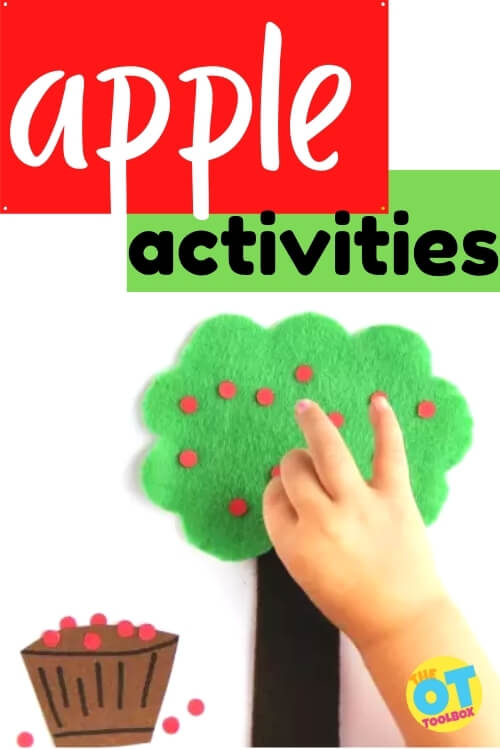
School-based occupational therapist Sydney Thorson, OTR/L, notes that setting up September sessions often begins with sorting curriculum materials by seasonal themes to address diverse caseload needs. Utilizing digital membership dashboards, educators and therapists can quickly curate resources ranging from fine motor worksheets to sensory integration tasks. Whether working on scissor skills, self-regulation, executive functioning, or handwriting, the versatile nature of the apple theme allows practitioners to seamlessly integrate developmental goals into fun, engaging play.
The transition back to school often brings a shift in children’s energy levels, moving away from the unstructured freedom of summer into the structured routines of the classroom. To bridge this gap, educators and therapists are turning to multi-sensory tools, such as apple pie sensory bins and fine motor therapy kits, which combine visual-motor tasks with tactile exploration. These seasonal activities are carefully structured into distinct developmental categories, allowing practitioners to target specific domains including sensory processing, motor skills, visual perception, cognition, and social-emotional growth.
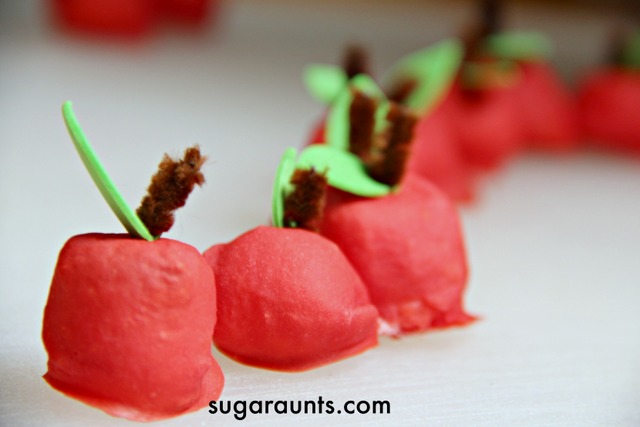
Sensory processing remains a cornerstone of early childhood occupational therapy, and autumn themes provide a wealth of tactile and proprioceptive opportunities. Therapists frequently utilize heavy work activities through the hands to help children achieve emotional regulation. Projects like baked cotton ball apples offer tactile feedback while strengthening fine motor control. Similarly, apple-cinnamon sensory bins allow students to engage in experiential learning by searching for hidden magnetic letters to spell out words, reinforcing letter recognition and spatial awareness for children who struggle with shape constancy and letter reversals.
In addition to traditional sensory bins, creative variations like applesauce oobleck introduce unique olfactory and tactile inputs. The distinct scent of apples and cinnamon combined with the unusual texture of the slime provides an effective medium for addressing sensory hyper- or hyposensitivity. Beyond sensory regulation, practitioners frequently use these messy play activities to target secondary goals such as sustained attention, sequencing, direction-following, and socio-emotional communication.

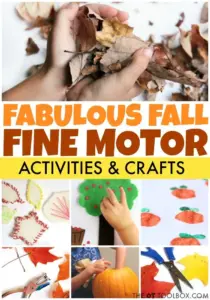
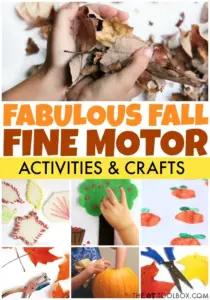
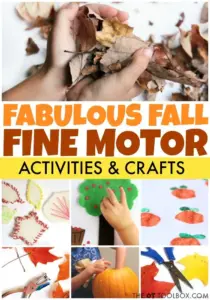
Fine motor development is another critical area heavily emphasized during seasonal curriculum planning. Hand strength, dexterity, and refined pincer grasps are essential precursors to functional tasks such as handwriting, independent dressing, and classroom tool use. Therapists frequently employ multi-sensory math activities, toilet paper roll apple stamps, and toothpick-poking exercises to build foundational hand muscles. Pointillism art projects utilizing standard hole punches further encourage bilateral coordination and finger isolation, while simultaneously teaching children how to manage their physical workspace.
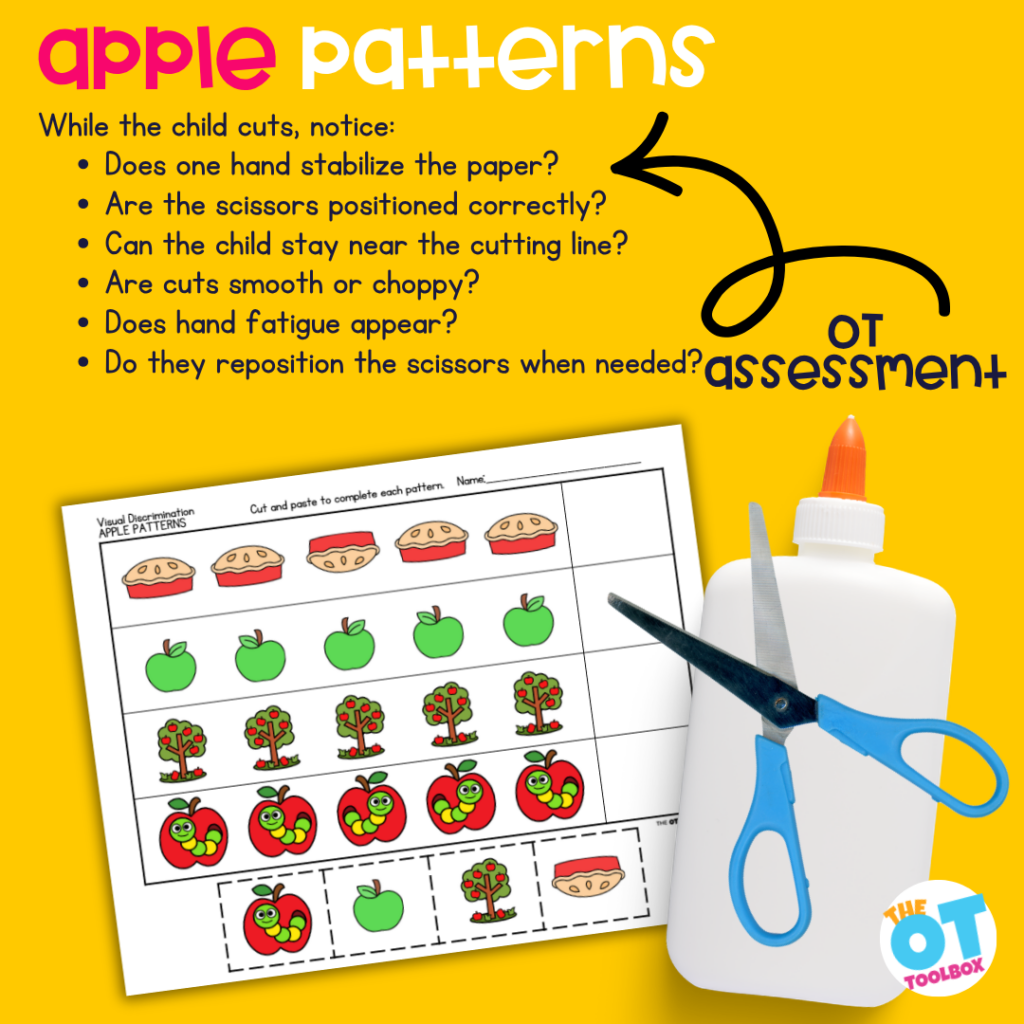
Worksheets and structured paper tasks also play a vital role in evaluating student progress at the start of the academic year. Apple-themed pattern worksheets, available in both full-color and printer-friendly outlines, allow therapists to observe fine motor precision, working memory, and visual-motor planning. As children practice cutting along structured lines, clinicians can evaluate grip strength, paper rotation skills, and cutting fluidity, establishing a reliable baseline for the school year.

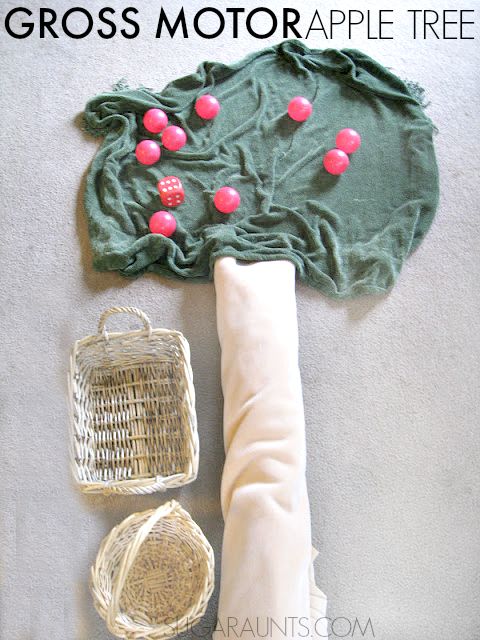
Gross motor integration is equally vital for developing core strength, postural stability, and balance. Therapists are incorporating apple-themed movement activities, such as indoor balance beams and structured brain breaks, to address vestibular and proprioceptive processing. Classic literature, including Dr. Seuss’s "Ten Apples Up on Top," is frequently adapted for physical education and therapy sessions, encouraging children to copy animal movements or balance felt apples on their heads to improve postural control and motor planning.
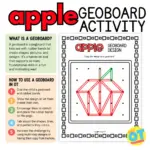
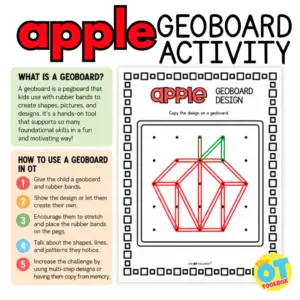
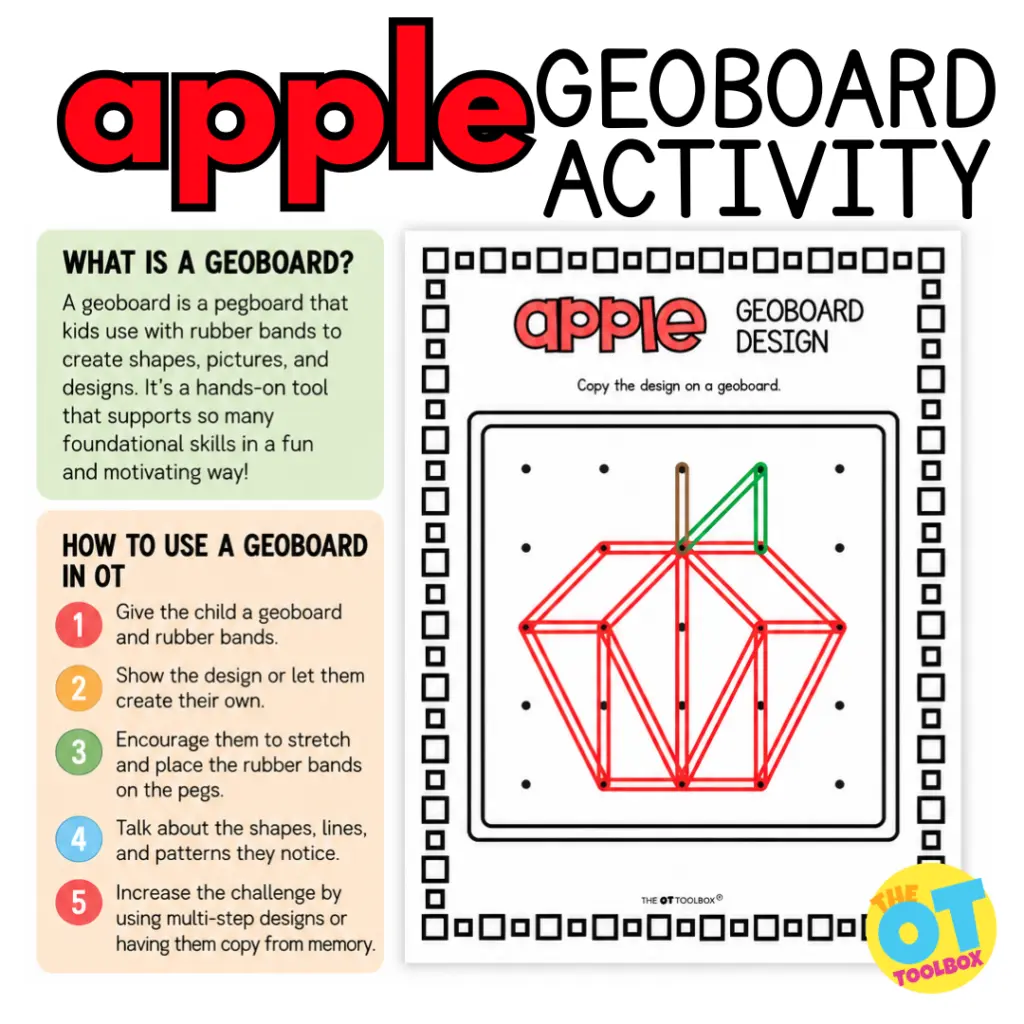
Visual-perceptual skills, which are crucial for reading and writing readiness, are targeted through shape-based apple activities and geoboard designs. By reproducing complex patterns using rubber bands on printable apple geoboards, students engage in visual-motor integration, spatial awareness, and finger isolation. Clinicians can easily grade these visual tasks up or down to match individual student capabilities, incorporating memory challenges or writing prompts to bridge the gap between visual processing and expressive language.
Executive functioning and cooking skills naturally intersect in activities such as making apple salt dough or exploring life-cycle literature like Zoe Hall’s "The Apple Pie Tree." These narrative-based tasks assist students with sequencing, attention span, and working memory. Furthermore, handwriting prompts tailored to different developmental stages allow early writers to practice single words while older students tackle multi-step descriptive paragraphs regarding the lifecycle
of an apple.
Social-emotional growth is supported through structured group activities that encourage cooperative play and communication. Programs developed by organizations like the Social Butterflies Club utilize apple themes to foster peer interaction in controlled environments, helping children build confidence as they navigate the social complexities of a new school year.
As educators and specialists continue to roll out autumn curricula, these thematic interventions demonstrate how seasonal play can be leveraged to address complex developmental goals. Through a combination of sensory exploration, motor planning, and academic reinforcement, school-based practitioners are helping students build the foundational skills necessary for a successful school year.