






As the sun sets on the traditional school year and families transition into the unstructured rhythm of summer, occupational therapy experts are highlighting the vital role that sensory processing plays in keeping children regulated, focused, and engaged. While summer offers a wealth of natural, sensory-rich experiences—from trips to the beach and days at the playground to backyard gardening—the loss of familiar school routines and an increase in screen time can sometimes leave children needing targeted sensory input options.
To help parents, educators, and therapy providers navigate the warmer months, pediatric occupational therapist Colleen Beck, OTR/L, founder of The OT Toolbox, has updated her comprehensive sensory resources. Designed for use at home, in summer school classrooms, or at summer camps, these updated materials focus on integrating therapeutic developmental activities into everyday life without requiring expensive equipment.
Translating Everyday Items into Sensory Solutions
A common misconception among parents is that effective sensory activities require specialized, costly gear. However, simple household items and everyday routines can easily provide the necessary movement and feedback children crave. By pairing daily sensory input strategies with basic movement activities—such as carrying laundry baskets, pushing wagons, or digging in the dirt—families can seamlessly incorporate heavy work into their days.

These simple additions provide essential proprioceptive and vestibular input, encouraging active play all summer long. For educators and therapy providers running summer school programs, having access to activities that can alert, organize, and calm a child’s nervous system is particularly crucial. This is where structured approaches like sensory circuits become invaluable tools.
Targeting Specific Sensory Systems Outdoors
Summer naturally provides endless opportunities to address various sensory needs across different developmental systems. According to pediatric therapy guidelines, organizing activities by specific sensory systems allows parents to choose targeted occupational therapy tasks tailored to a child’s unique requirements.
Proprioception, the body’s internal sense of where it is in space, helps children develop coordination, body awareness, motor planning, and self-regulation. During the summer months, when children often spend more time on phones, tablets, or video games, adding proprioceptive input helps organize the nervous system. Activities such as carrying buckets, digging in the sand, pushing wagons, climbing playground equipment, or assisting with yard work provide the heavy work necessary to support attention, emotional regulation, and learning readiness.
Similarly, the vestibular system, which governs balance, movement, and head position, thrives during summer play. Swinging, rolling down grassy hills, swimming, navigating obstacle courses, and playing on playground equipment all supply vital vestibular input. Integrating these movement experiences helps counteract the effects of excessive screen time, supporting balance, visual attention, and postural control.
Tactile exploration also reaches its peak during the warmer months. Engaging with sand, water, grass, mud, shaving cream, finger paints, and gardening offers rich tactile input that supports fine motor development, finger dexterity, and emotional regulation. Meanwhile, oral motor activities—such as drinking smoothies through straws, blowing bubbles, chewing on crunchy fruits and vegetables, enjoying frozen treats, or playing with pinwheels—strengthen the muscles used for eating, drinking, speech, and breathing while delivering calming sensory feedback.
Simplifying Sensory Diets Through Structured Circuits
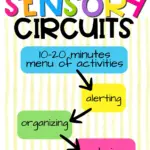
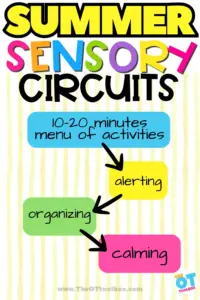
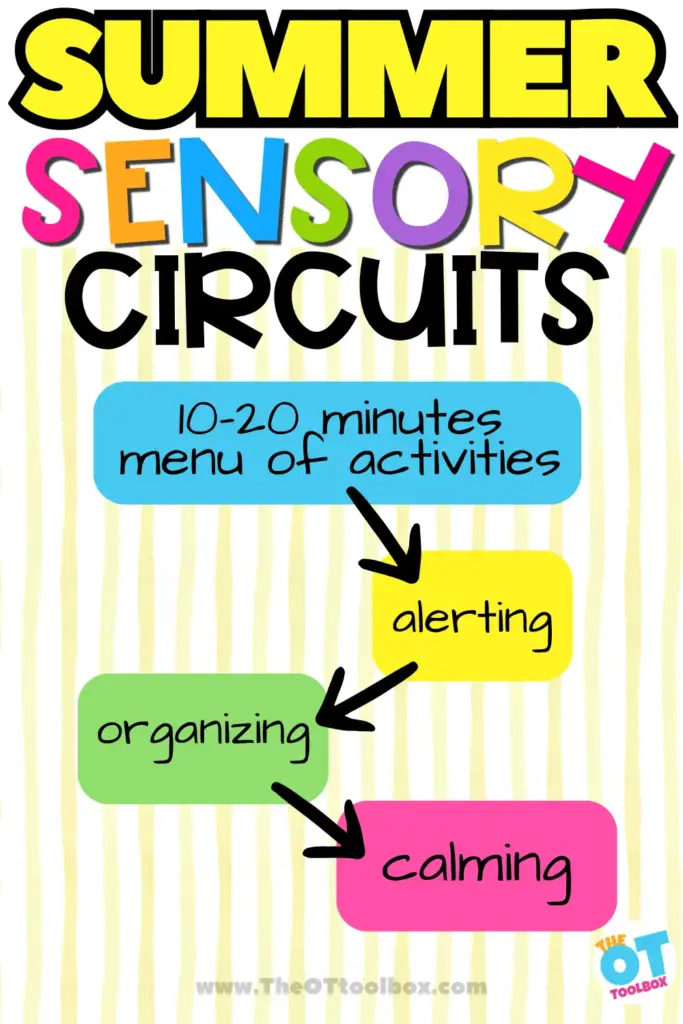
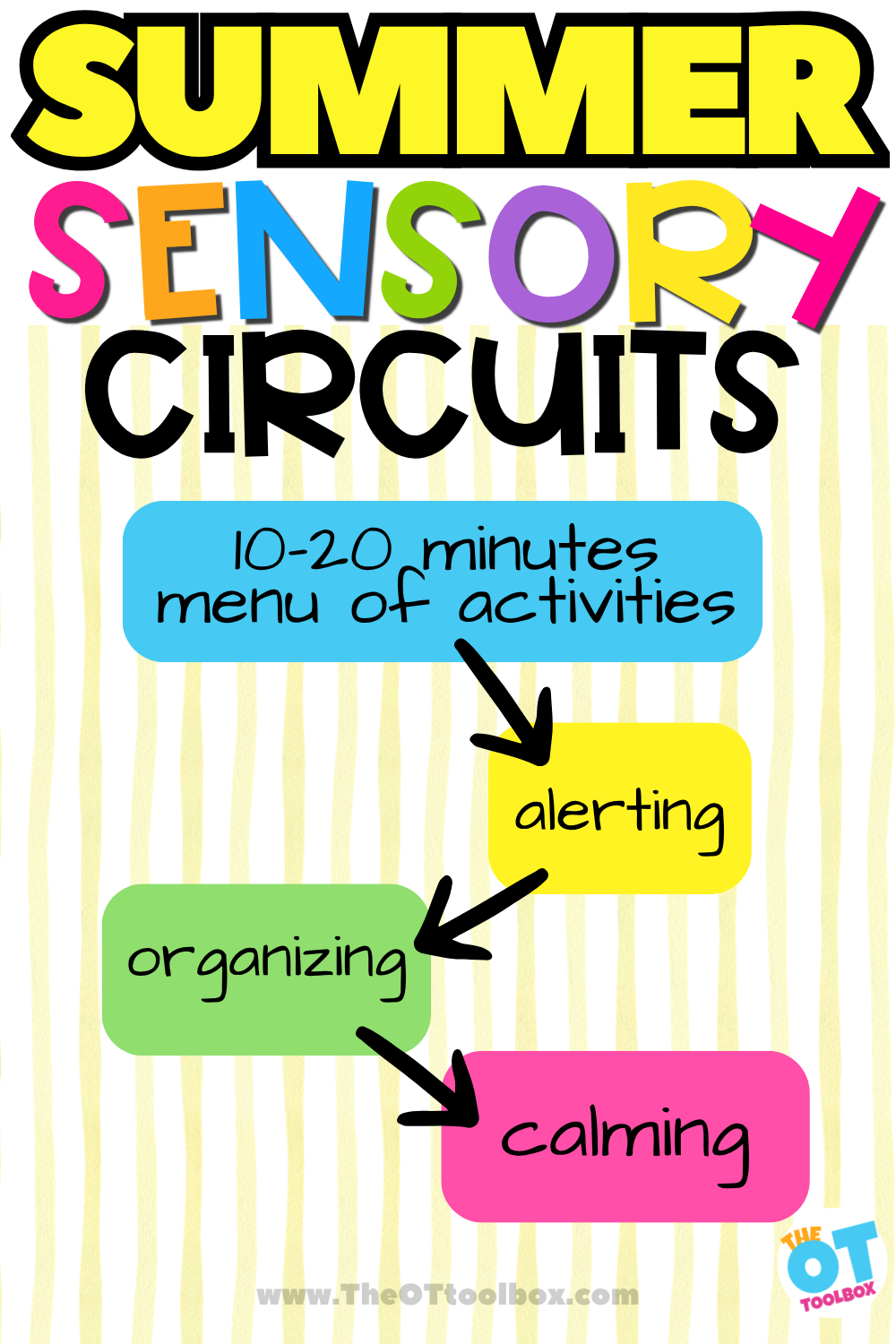
While traditional sensory diets weave various strategies throughout the day, maintaining a continuous routine can sometimes prove challenging for busy families and classrooms. To bridge this gap, experts advocate for the use of sensory circuits—a structured, predictable plan that streamlines sensory integration into a quick, 10-to-20-minute routine using a simple activity menu.

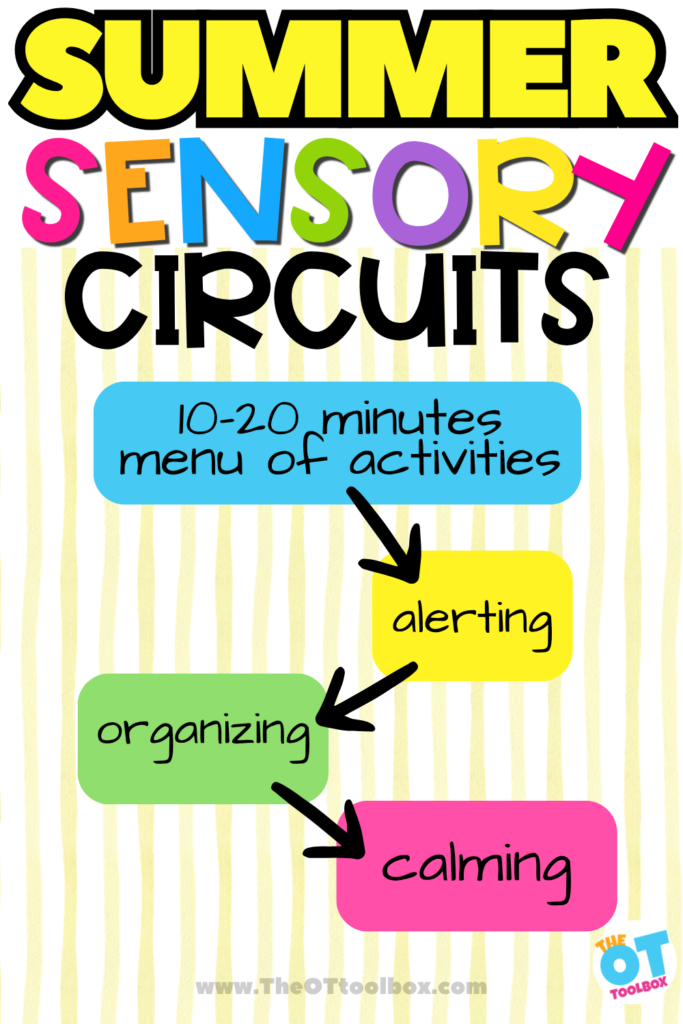
A sensory circuit follows a specific neurological progression designed to help children achieve the "just right" level of alertness. The process begins with alerting activities, utilizing controlled vestibular and proprioceptive input to wake up the brain and body. This is followed by organizing activities that require motor planning, balance, and timing to help children coordinate their movements and thoughts. Finally, the circuit concludes with calming activities, such as deep pressure and resistance exercises, ensuring children finish the routine regulated, centered, and ready to transition into quiet time or learning tasks.
Implementing this structured sequence first thing in the morning or immediately following a chaotic midday break provides an organizing anchor for children experiencing the unstructured nature of summer vacation. Adults can similarly benefit from structured morning routines that incorporate stretching, hydration, sunlight, and light exercise to regulate their own nervous systems before tackling daily responsibilities.
Expanding Summer Programming and Resources
Beyond individual strategies, professionals looking for structured programming can utilize comprehensive toolkits designed specifically for the season. Comprehensive packets, such as The OT Toolbox’s Summer Occupational Therapy Activities Packet and the expansive Summer OT Bundle, offer a collection of ready-to-go resources covering handwriting, visual perceptual skills, fine motor coordination, gross motor control, and self-regulation.

These resources provide therapists, teachers, and parents with practical tools ranging from teletherapy slide decks and printable games to home program handouts and sensory summer camp plans. By incorporating these accessible, therapist-approved activities into the summer schedule, families can ensure that children stay active, engaged, and developmentally supported all season long.