








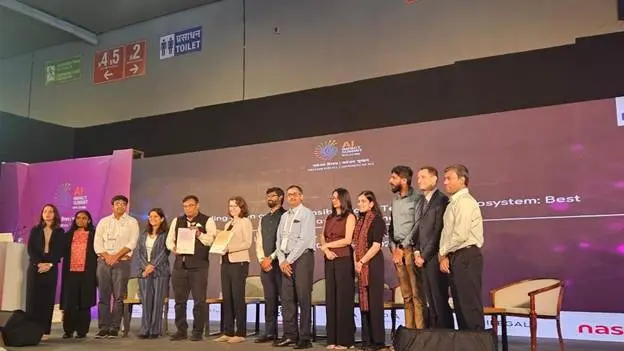
In a landmark development for the global assistive technology community, the Ministry of Electronics and Information Technology recently unveiled a comprehensive strategy aimed at transforming India from a text-heavy digital landscape into a dynamic, voice-first ecosystem. Officially launched at the India AI Summit Expo in New Delhi, this ambitious initiative is anchored by two foundational documents: a detailed policy report focusing on the creation of responsible voice ecosystems and a practical developers’ toolkit designed to guide creators in building inclusive digital platforms.
For professionals and advocates operating within the accessibility space, this announcement represents far more than a mere technical upgrade. Instead, it signals a fundamental shift in how millions of individuals with limited literacy, visual impairments, or physical disabilities will interact with the modern world. By reimagining the core infrastructure of digital engagement, the roadmap seeks to dismantle longstanding barriers that have historically excluded significant portions of the population from fully participating in the digital economy.
Breaking the Literacy Barrier Through Voice

For well over a billion people across the globe, the concept of the "digital divide" extends far beyond a simple lack of internet connectivity or hardware access. More critically, it encompasses a profound lack of quality of use. The vast majority of contemporary digital interfaces, applications, and web services are meticulously designed for literate, English-speaking users. This design paradigm automatically disenfranchises individuals who may be fluent in their spoken regional languages but struggle with reading and writing text-based interfaces.
India’s new roadmap aims to fundamentally rewrite this narrative by elevating voice technology from a convenience feature to a core component of Digital Public Infrastructure. When voice interaction becomes the primary mode of navigating digital services—ranging from banking and healthcare to government portals and e-commerce—literacy ceases to be a prerequisite for technological participation. Users can simply speak in their native tongues, allowing advanced speech recognition and natural language processing systems to bridge the gap between complex digital architectures and everyday human communication.
The Practical Guide: A Toolkit for Inclusive Building
Translating visionary policy into everyday digital realities requires concrete methodologies, which is where the newly released developers’ toolkit comes into play. This practical guide provides the essential "how-to" framework for creators, software engineers, and assistive technology developers, effectively shifting ethical considerations and accessibility standards from an afterthought to a foundational requirement.
Rather than treating accessibility as an optional plugin or a late-stage compliance check, the toolkit encourages developers to embed inclusive design principles right from the inception of a project. This involves addressing critical challenges such as handling diverse regional accents, accommodating various speech patterns, and ensuring that voice-activated systems remain robust and reliable in noisy environments. By providing actionable guidelines, code snippets, and design principles, the toolkit empowers the developer community to build applications that are inherently accessible to marginalized and disabled populations.

The Elephant in the Room: Funding and Sustainability
Despite the immense promise and visionary scope of this initiative, the policy report itself is refreshingly candid about the massive hurdles that lie ahead. Building a nationwide, inclusive voice ecosystem is described as a humungous undertaking that requires navigating complex structural, technical, and financial landscapes. Innovation alone cannot sustain such a massive transition; the effort requires long-term financial stamina, sustained public-private partnerships, and continued governmental backing.
Creating and maintaining high-quality speech datasets for hundreds of regional dialects, deploying robust cloud and edge infrastructure, and ensuring continuous cybersecurity and data privacy protections demand substantial capital investment. Furthermore, the sustainability of the ecosystem depends on creating viable economic models for developers and enterprises who build voice-enabled solutions for low-income or rural populations. Addressing these funding realities is critical to ensuring that the voice-first revolution moves beyond pilot programs and achieves permanent, systemic integration.
A Global Blueprint for Multilingual Nations
The challenges that India seeks to address through this roadmap are by no means unique to the subcontinent. Across Africa, Southeast Asia, and Latin America, numerous nations grapple with deeply similar hurdles regarding profound linguistic diversity and varying levels of digital literacy. Standardized, Western-centric digital solutions often fail to resonate in societies characterized by rich multilingual tapestries.
Countries such as Nigeria, which boasts over five hundred distinct languages including Hausa, Yoruba, and Igbo, as well as South Africa with its eleven official languages, Ethiopia, and Kenya, could stand to benefit immensely from the frameworks established in India’s new policy documents. By observing how India tackles the complexities of multi-lingual speech recognition, resource allocation, and inclusive digital governance, other nations can adopt and adapt these blueprints to fit their own unique socio-cultural landscapes.
Conclusion: A Global Mission for Accessibility
The formal release of these reports marks a definitive turning point for digital governance and human rights. India is demonstrating to the international community that voice technology is not merely a luxury or a modern convenience, but rather an essential human right in the digital age. By confronting the difficult questions surrounding funding mechanisms, legal frameworks, and technical standards head-on, this initiative provides a robust model for global digital inclusion.
If voice artificial intelligence can be successfully mastered within the extraordinarily complex linguistic landscape of India, the precedent suggests that it can be achieved anywhere. This initiative serves as a clear call to action for policymakers, technologists, and developers across the globe to examine these documents, adapt their principles to local contexts, and work collaboratively to ensure that the future of the global internet is one that listens to every voice, regardless of language, ability, or literacy level.