





The COVID-19 pandemic has emerged as a seismic event in the landscape of global public health, not only causing widespread loss of life and economic disruption but also threatening to erode years of hard-won progress toward international development goals. As the World Health Organization (WHO) released its 2020 World Health Statistics report today, the findings paint a picture of a world that was steadily improving, yet remains woefully unprepared for the current crisis and structurally vulnerable to future health emergencies.
"The good news is that people around the world are living longer and healthier lives," said Dr. Tedros Adhanom Ghebreyesus, WHO Director-General, during the report’s unveiling. "The bad news is the rate of progress is too slow to meet the Sustainable Development Goals (SDGs) and will be further thrown off track by COVID-19."
The report, which serves as an annual comprehensive check-up on the state of global health, identifies key indicators of progress while simultaneously exposing the glaring gaps that have left many nations exposed. Dr. Tedros emphasized that the pandemic has served as a brutal reminder of the necessity for robust, resilient health systems. "The pandemic highlights the urgent need for all countries to invest in strong health systems and primary health care, as the best defense against outbreaks like COVID-19, and against the many other health threats that people around the world face every day," he noted. "Health systems and health security are two sides of the same coin."
Gains in Life Expectancy and the Burden of Inequality
According to the data, global life expectancy and the metrics for healthy life expectancy have both seen positive trends, yet the distribution of these gains is far from equitable. Between 2000 and 2016, the world witnessed an overall increase in longevity, but the most dramatic improvements were observed in low-income nations. These countries experienced an 11-year increase in life expectancy—a 21% rise—during that period. In contrast, higher-income countries saw a more modest growth of 3 years, or approximately 4%.
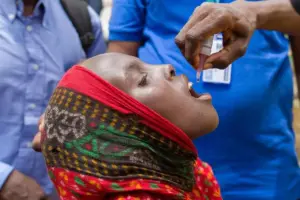
Much of this success in the lower-income brackets can be attributed to targeted public health interventions. Improved access to preventative measures and treatments for HIV, malaria, and tuberculosis has been a primary driver of these gains. Furthermore, the global community has made significant strides in combating neglected tropical diseases, such as guinea worm. Perhaps most significantly, maternal and child healthcare improvements have been highly effective, with child mortality rates effectively halved between 2000 and 2018.
However, beneath these headline improvements, the report warns of stalling progress. Recent years have seen a plateau in immunization coverage, and experts now express genuine concern that the gains made in the fight against malaria may be reversed due to the disruptions caused by the current pandemic.
The Looming Crisis of Noncommunicable Diseases
While infectious diseases have historically dominated the global health agenda, the WHO report highlights a shifting burden of disease. There remains an overall shortage of services—both within and outside the traditional clinical health system—to effectively prevent and manage noncommunicable diseases (NCDs) such as cancer, diabetes, heart and lung disease, and stroke.
The statistics are sobering: in 2016 alone, 71% of all deaths worldwide were attributed to NCDs. Even more concerning is that the majority of the 15 million premature deaths—roughly 85%—occurred in low- and middle-income countries. This trend reflects the significant inequalities in access to quality health services that persist today. In 2017, only between one-third and one-half of the world’s population had access to essential health services.
This disparity is further illustrated by the density of the health workforce. In more than 40% of countries, there are fewer than 10 medical doctors for every 10,000 people. The situation is similarly dire regarding nursing and midwifery personnel, with over 55% of countries having fewer than 40 such professionals per 10,000 people.
Financial Barriers and the Cost of Care
Access to care is not merely a matter of geographic availability; it is fundamentally a question of affordability. The inability to pay for healthcare remains a primary obstacle for billions. The WHO estimates that in 2020, approximately 1 billion people—nearly 13% of the global population—will spend at least 10% of their household budget on health expenses. The vast majority of these individuals reside in lower-middle-income countries, where out-of-pocket costs can push families into poverty.
Dr. Samira Asma, Assistant Director-General at the WHO, underscored the multifaceted approach required to mitigate these risks. "The COVID-19 pandemic highlights the need to protect people from health emergencies, as well as to promote universal health coverage and healthier populations to keep people from needing health services through multisectoral interventions like improving basic hygiene and sanitation," she said.
The foundational requirements for health are often overlooked in clinical debates. In 2017, the report indicates that more than half of the global population—55%—lacked access to safely-managed sanitation services. Furthermore, 29% of the population lacked access to safely-managed drinking water. Perhaps most alarmingly in the context of a pandemic requiring frequent hand hygiene, two in five households globally, or 40%, lacked basic handwashing facilities with soap and water in their homes.
The Critical Need for Data-Driven Policy
The 2020 report also serves as a clarion call for the necessity of stronger data and health information systems. Without accurate, timely, and comparable statistics, countries are essentially flying blind, unable to discern population health trends, develop evidence-based policies, allocate limited resources, or prioritize interventions effectively.
Currently, for nearly one-fifth of all nations, more than half of the key health indicators lack recent primary or direct underlying data. This deficit significantly hampers a country’s ability to prepare for, prevent, and respond to health emergencies like COVID-19. To address this, the WHO is currently prioritizing support for nations to strengthen their surveillance and data systems, enabling them to measure their status and manage health improvements with greater precision.
"The message from this report is clear: as the world battles the most serious pandemic in 100 years, just a decade away from the SDG deadline, we must act together to strengthen primary health care and focus on the most vulnerable among us in order to eliminate the gross inequalities that dictate who lives a long, healthy life and who doesn’t," added Dr. Asma. "We will only succeed in doing this by helping countries to improve their data and health information systems."
The World Health Statistics report is compiled using a rigorous methodology, drawing from databases maintained by the WHO and various United Nations groups, including the UN Interagency Group for Child Mortality Estimation. Data is further supplemented by statistics from international organizations such as the UN Department of Economic and Social Affairs. For those seeking a deeper look into the specific health-related SDG indicators, the WHO’s Global Health Observatory database provides additional technical detail and interactive data visualizations to track the ongoing progress—or lack thereof—as the world navigates this unprecedented health crisis.