








For decades, the mantra of "no pain, no gain" has driven athletes and fitness enthusiasts to push their physical limits in pursuit of peak performance. However, new research suggests that when exercise intensity outpaces the body’s ability to recover, the consequences may extend far beyond sore muscles and diminished athletic returns. A study published in the journal Neuroscience indicates that overtraining can significantly alter brain chemistry, potentially disrupting the neurological processes that allow the brain to return to a calm, resting state.
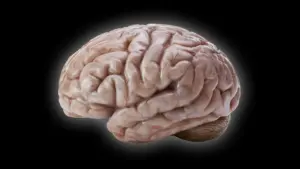
The study, conducted by researchers at the Ribeirão Preto School of Physical Education and Sports at the University of São Paulo (EEFERP-USP) in Brazil, sheds light on the complex relationship between physical exertion and the central nervous system. By observing the physiological and chemical responses in mice, the research team found that prolonged, exhausting exercise programs led to an unexpected dysregulation of dopamine in the hippocampus—a brain region critical for memory consolidation and emotional regulation.
The Hidden Impact of Overtraining
"Our findings show that excessive physical exercise affects not only skeletal muscle but also has a pronounced impact on the brain," said Alisson Luiz da Rocha, the study’s first author. Rocha, who conducted the research during his doctoral studies with the support of a FAPESP scholarship, noted that these results demonstrate how intense physical activity influences the central nervous system in ways that transcend simple muscle development.
The research is particularly significant given the clinical reality of "overtraining syndrome." This condition occurs when the cumulative physical demands of training exceed an individual’s capacity for recovery. Common symptoms include a decline in athletic performance, persistent fatigue, suppressed appetite, muscle pain, and an increased susceptibility to injury. Furthermore, overtraining is frequently associated with metabolic and immune system dysfunction.
While many athletes recognize the physical symptoms of overtraining, the potential for neurological disruption has historically received less attention. The researchers believe that the chemical imbalances identified in the study could provide a biological explanation for why excessive training is so often accompanied by secondary mental and physiological issues, such as insomnia, heightened anxiety, and an inability to fully relax even during rest periods.
Simulating the Effects of Exhaustion
To better understand the mechanisms at play, the research team designed an experiment involving two distinct groups of mice subjected to varying levels of physical activity. One group was pushed to their physical limit in a single, strenuous treadmill session until exhaustion was reached. A second group was placed on an extended, eight-week training program specifically designed to mimic the rigorous conditions often experienced by elite athletes struggling with overtraining syndrome.
In the extended program, the intensity was gradually increased over the eight-week duration. By the final week, the mice were required to complete two exhaustive training sessions every day, with a recovery window of only four hours between workouts. This regimen was intended to push the subjects into a state where their bodies could no longer effectively recover from the cumulative stress.
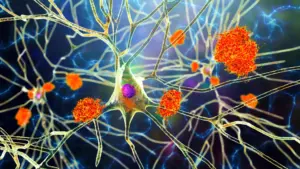
Following the completion of these exercise protocols, the scientists performed detailed analyses of the animals’ hippocampi. They focused on measuring the levels of key neurotransmitters, specifically dopamine and serotonin. They also examined the proteins responsible for the management and synthesis of these chemicals, including tyrosine hydroxylase (TyrH), the enzyme that initiates dopamine production, and vesicular monoamine transporter 2 (VMAT2), which is essential for packaging neurotransmitters for release.
Prolonged Chemical Alterations
The results revealed a clear distinction between the impact of a single bout of exercise and a sustained program of overtraining. In the mice that completed only one session of intense treadmill running, dopamine levels spiked shortly after the activity, reflecting a normal, acute chemical response to stress. However, the findings in the overtraining group were more concerning.
In the animals subjected to weeks of high-intensity, back-to-back training, both dopamine and the enzyme TyrH remained significantly elevated for 48 hours following their final performance test. This duration occurred entirely during the time the mice should have been in a state of recovery. The persistence of these elevated markers suggests that repeated, strenuous exercise without adequate rest disrupts the brain’s homeostatic mechanisms. Rather than recalibrating to its baseline chemical state, the brain continued to exhibit signs of hyperactivity long after the physical stimulus had ceased.
Adelino Sanchez Ramos da Silva, a professor at EEFERP-USP and the coordinator of the study, noted that these findings are a vital step in bridging the gap between clinical symptoms and underlying biology. "Finding comparable changes in humans could help researchers better understand the possible connections between overtraining, brain chemistry, and sleep disturbances," Silva explained. While the study did not directly measure markers of sleep, anxiety, or alertness in the subjects, the biochemical evidence provides a compelling foundation for future research into how the brain processes chronic physical stress.
The Role of Dopamine and Serotonin
The focus on dopamine stems from its multifaceted role in the human body. While it is widely recognized for its association with motivation and reward-seeking behavior, dopamine is also a critical regulator of wakefulness and cognitive alertness. In a healthy state, the brain maintains a delicate balance of dopamine; however, the study suggests that this balance is vulnerable to external physical stressors.
If dopamine levels remain pathologically elevated during periods designated for rest, the nervous system may struggle to transition into the "off" state necessary for restorative sleep. This could further exacerbate the feeling of restlessness or anxiety often reported by athletes who have pushed their training too far.
Interestingly, the study also yielded a notable finding regarding serotonin. For years, the "serotonin hypothesis" has been a dominant theory in the study of athletic fatigue, suggesting that changes in serotonin levels are the primary driver of exhaustion. However, the researchers found no significant differences in serotonin levels between the exercise groups and the control group, despite the profound changes observed in dopamine regulation. This result challenges the conventional wisdom and suggests that scientists must broaden their scope to include dopamine-related pathways when investigating the biological foundations of overtraining syndrome.
Implications for Recovery and Future Research
Although the study provides important new data, the researchers emphasized that the results are preliminary in their application to human physiology. Because the study did not directly measure behavioral outcomes like sleep quality or anxiety levels, further clinical investigation is required to determine whether human brains undergo the same chemical shifts under similar training loads.
Nevertheless, the research serves as a stark reminder of the necessity of recovery. Whether for a casual gym-goer or a professional athlete, the biological benefits of exercise are only fully realized when the body is given sufficient time to adapt and repair. Increasing the frequency or intensity of workouts is not a linear path to better fitness; when the recovery capacity is exceeded, the training becomes counterproductive.
The research team, which includes contributors who have worked across institutions such as the State University of Campinas (UNICAMP) and the University of Michigan, is now engaged in an international collaborative project. Their objective is to pinpoint the exact moment when the body’s physiological systems transition from positive, adaptive stress—often called eustress—to the harmful, cumulative stress of overtraining. By identifying these early biological "red flags," the researchers hope to provide athletes and coaches with the tools to optimize training schedules and avoid the detrimental effects of excessive physical demand.
As the scientific community continues to explore the intersection of exercise science and neurology, this study reinforces the principle that mental and physical health are deeply intertwined. For those pushing their physical limits, the message is clear: rest is not merely an absence of work, but a fundamental, active component of the training process itself. Without it, the brain may remain trapped in a state of chemical alertness that undermines the very gains an athlete seeks to achieve.