








A newly released clinical resource aims to help children, adolescents, and adults better manage emotional intensity through a modernized take on a familiar therapeutic tool. Designed by occupational therapist Colleen Beck, OTR/L, the free printable "Anger Thermometer" expands beyond basic emotional identification to target underlying factors that influence daily functional performance, including emotional regulation, executive functioning, and self-awareness.
While the concept of an emotional meter is not entirely new within clinical and educational settings, the latest resource seeks to connect visual imagery directly to occupational participation. Developed for use across clinical practices, schools, and home environments, the tool addresses how unmanaged frustration and emotional escalation can impact school performance, workplace participation, interpersonal relationships, and daily routines.
According to clinical perspectives highlighted in the release, anger is a normal human experience that encompasses frustration, irritation, and disappointment. However, the challenge frequently lies in how individuals recognize those feelings and construct appropriate responses. Without established self-awareness and regulation strategies, escalating emotions can interfere significantly with overall well-being and daily functioning.
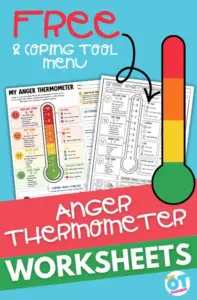
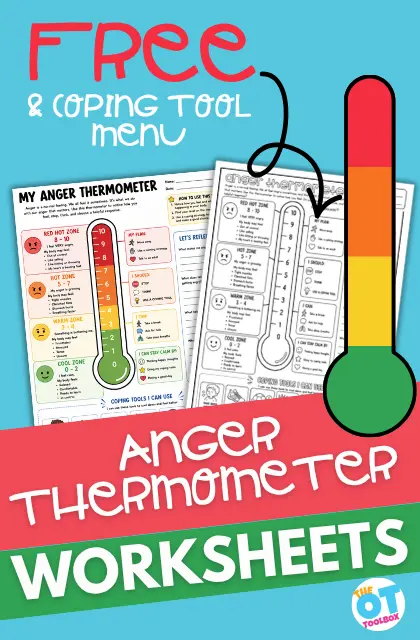
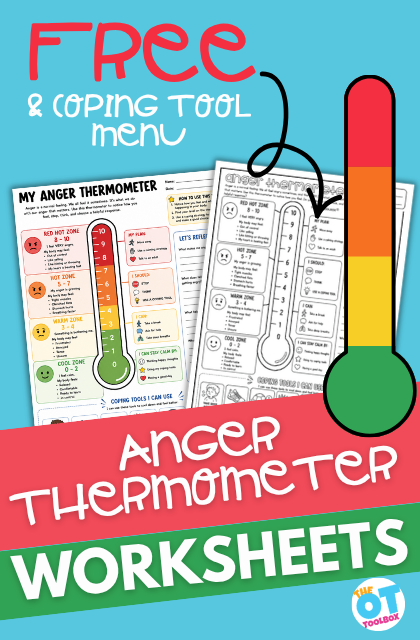
The newly introduced printable functions as a self-monitoring mechanism, an emotional regulation activity, and an executive functioning support. By visualizing emotional intensity along a continuous thermometer scale, users can learn to notice internal shifts as feelings build. This visual framework encourages individuals to pause, think critically, and select appropriate responses before reaching emotional breaking points.
The core premise of the tool relies on grading emotional intensity rather than categorizing feelings simply as "good" or "bad." By assigning numerical values and specific color-coded levels to emotional states—drawing conceptual parallels to established frameworks like the Alert Program and the Zones of Regulation—the thermometer teaches that emotions typically escalate gradually rather than appearing instantaneously. This graded approach aids in building foundational emotional awareness, allowing individuals to implement coping strategies during the early stages of distress rather than reacting impulsively at the highest levels of intensity.
A central component of the intervention is the cultivation of self-awareness and metacognition, defined as the ability to think about one’s own thoughts and actions. Many individuals struggling with emotional regulation do not recognize early warning signs until emotions have already manifested as external behaviors, such as yelling, arguing, shutting down, or engaging in impulsive actions. The thermometer framework prompts users to reflect on their internal experiences and identify the subtle shifts that precede behavioral outbursts.
In addition to emotional regulation, the resource heavily emphasizes the connection between emotional intensity and executive functioning skills. Executive functions—such as inhibitory control, emotional control, cognitive flexibility, working memory, and problem-solving—frequently become less efficient when an individual experiences heightened emotional stress. By encouraging self-monitoring and structured reflection, the tool assists users in strengthening these cognitive processes, thereby improving their ability to manage demands, navigate transitions, and make thoughtful decisions.
The printable also incorporates sections dedicated to identifying physical body clues and personal triggers. Because emotions often register physiologically before they appear outwardly, recognizing early physical warning signs—such as increased heart rate, clenched fists, muscle tension, or a racing mind—enables individuals to deploy coping strategies much earlier in the escalation cycle. Similarly, tracking specific triggers, such as unexpected changes, difficult social interactions, or sensory overstimulation, helps users prepare for challenging scenarios and collaborate with therapists or educators to establish proactive supports.
From an occupational therapy perspective, addressing emotional regulation is essential because feelings influence participation across all areas of daily life. Rooted in the principles of the Occupational Therapy Practice Framework, the tool supports interventions across multiple domains, including social participation, formal education, work performance, basic activities of daily living, and instrumental activities of daily living. Whether a child is navigating classroom expectations and peer interactions or an adult is managing professional feedback and workplace stress, emotional stability remains a critical factor in successful occupational performance.
Furthermore, the framework addresses the direct impact of strong emotions on social interaction skills. When anger escalates, individuals may experience difficulties with communication, empathy, and conflict resolution, potentially leading to social withdrawal or strained relationships. The visual thermometer provides a structured vocabulary for discussing these social dynamics during therapy sessions, counseling, and social skills groups, helping participants identify alternative ways to communicate and resolve conflicts.
To bridge awareness with practical action, the worksheet includes components for self-reflection and the creation of personalized anger action plans. Users map out specific coping strategies linked to different levels on the thermometer scale, establishing clear steps to take when feelings begin to rise. These strategies may involve sensory-based tools, deep breathing exercises, short breaks, or seeking assistance from trusted adults or colleagues. By planning ahead, individuals increase the likelihood that they will successfully utilize coping mechanisms during moments of high stress.
The basic version of the anger thermometer is currently available through community resources, while specialized iterations tailored for teens, college students, and adults are accessible via targeted clinical membership platforms. Through these continued developments, occupational therapists and educators continue to refine practical methods for fostering lifelong emotional regulation, independence, and meaningful daily participation.