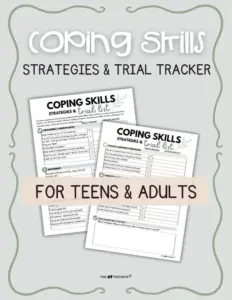







Mental health advocates, occupational therapists, educators, and counselors have a new resource at their disposal following the release of a specialized coping skills tracker designed to help individuals systematically address anxiety. Developed as an extension of the broader Daily Cup Reset Project—a social media initiative focused on nervous system regulation and self-regulation across platforms like Facebook, Instagram, and TikTok—the newly introduced printable tool aims to replace trial-and-error methods with a more deliberate approach to emotional well-being.
Anxiety presents in remarkably diverse ways across different populations. While some individuals experience psychological symptoms such as racing thoughts, severe worry, and difficulty concentrating, others manifest physical signs including muscle tension, chronic headaches, stomach discomfort, restlessness, and profound fatigue. Because these symptoms frequently disrupt sleep schedules, social participation, work performance, and executive functioning, mental health professionals emphasize that a universal approach to coping rarely succeeds. A strategy that brings relief to one person may prove entirely ineffective for another, highlighting the necessity for personalized tracking and intentional exploration.
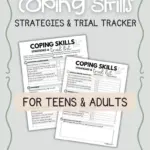
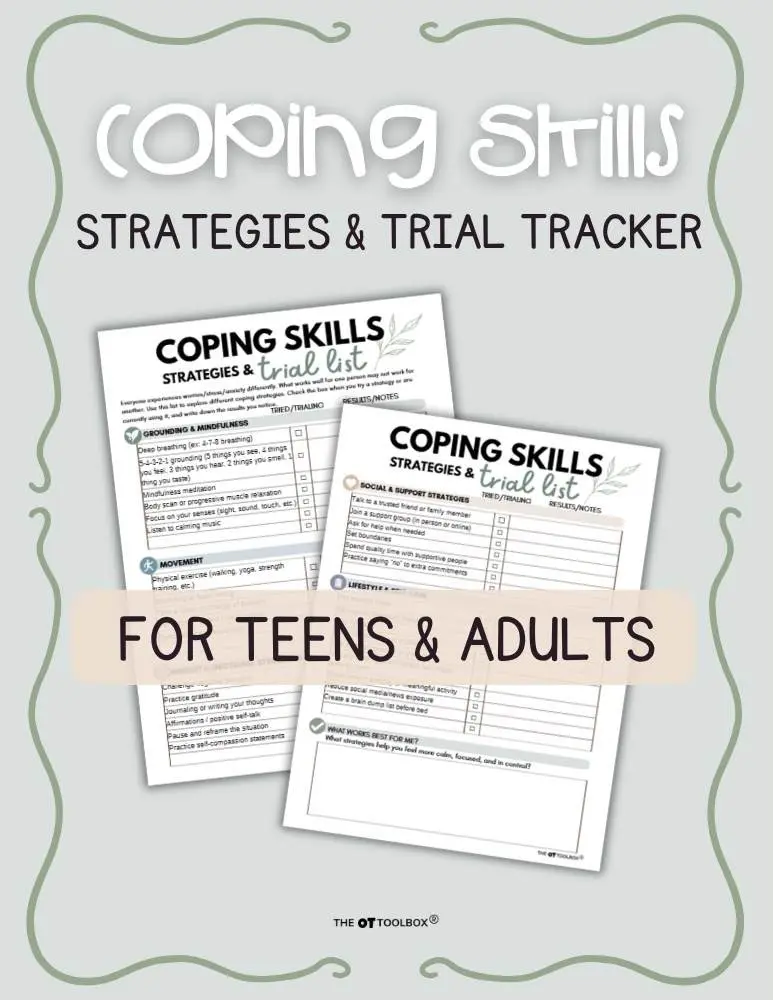
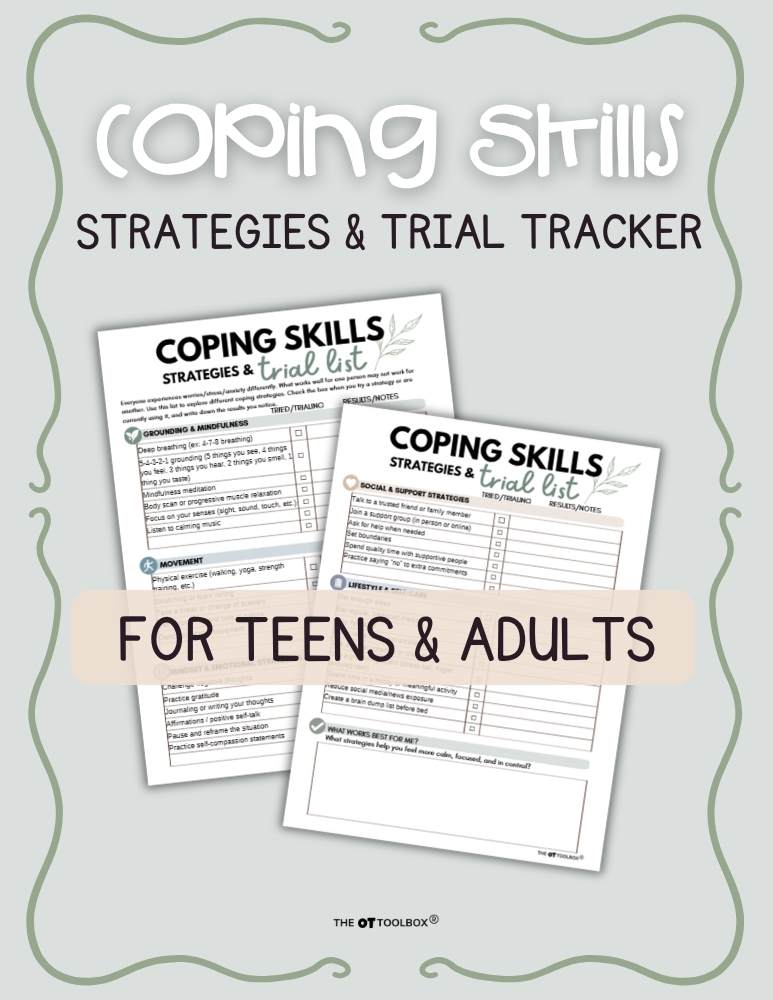
The newly released coping skills tracker provides a structured framework for individuals to test various techniques, observe patterns, and construct a personalized coping toolbox. Rather than cycling through random methods in moments of acute distress, users can intentionally log what they try, how long they practice it, and what specific outcomes follow. This systematic documentation transforms coping strategies from a chaotic list of suggestions into a practical system for self-reflection and emotional regulation, making it particularly useful for therapists, educators, and adults managing stress independently.

Coping skills themselves are defined as actions, routines, and strategies designed to help individuals manage stress responses and support overall nervous system regulation. Experts note that effective coping tools do not magically eliminate anxiety entirely; instead, they serve to lower the intensity of physical and emotional symptoms, thereby improving an individual’s ability to participate in meaningful daily activities. The primary objective is to cultivate deep self-awareness regarding what helps both the body and mind function at their optimal levels, moving away from guesswork and toward evidence-based personal insights.
Grounding, Mindfulness, and the Nervous System
To address the cognitive and physical disruptions caused by anxiety, the new resource categorizes strategies into distinct functional areas, beginning with grounding and mindfulness. Anxiety frequently pulls an individual’s attention away from the present moment, trapping them in future-oriented worries or repetitive cycles of negative thinking. Grounding techniques serve as an immediate circuit-breaker for these cognitive loops, pulling awareness firmly back into the immediate environment.
Deep breathing exercises are highlighted as a fundamental method for regulating the autonomic nervous system and mitigating the physical manifestations of stress. Alongside various relaxation breathing protocols, the framework incorporates sensory-based exercises such as the well-known five-four-three-two-one grounding technique. By prompting individuals to consciously identify items they can see, touch, hear, smell, and taste, this method successfully redirects cognitive processing away from racing thoughts and anchors it in concrete sensory input. Complementary mindfulness activities further encourage non-judgmental awareness, allowing individuals to recognize rising emotional waves and physiological signals before those sensations escalate into overwhelm.
Movement, Physical Well-Being, and Somatic Regulation
Beyond cognitive and sensory grounding, physical movement plays a critical role in emotional regulation and nervous system health. Exercise stimulates the release of endorphins and helps discharge the physical tension accumulated during stress responses. However, developers of the new tool emphasize that movement does not need to involve high-intensity workouts; simple actions such as a brief walk, gentle stretching, yoga, or even a simple change of physical environment can provide substantial regulatory support.
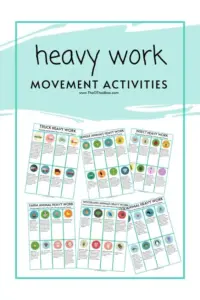
Particularly emphasized are heavy work activities, which deliver deep proprioceptive input to the joints and muscles. This form of sensory input is widely recognized in occupational therapy for its grounding, calming effects and its ability to enhance body awareness. Integrating these physical elements into a broader daily routine—often referred to as a sensory lifestyle or sensory diet—ensures that the body regularly receives the regulatory support it requires to maintain equilibrium throughout the daily routine.
Addressing Thinking Patterns and Emotional Regulation
Because anxiety exerts a profound influence on mindset, contributing to catastrophic thinking, repetitive worries, and negative self-talk, the structured framework also targets cognitive and emotional regulation processes. Engaging in regular journaling provides a tangible outlet to externalize worries, significantly reducing the cognitive load required to manage multiple competing anxieties simultaneously.
Additionally, the resource encourages the intentional use of positive self-talk to challenge automatic negative thought patterns, alongside gratitude practices designed to shift focus toward existing strengths and positive experiences. Through cognitive reframing, individuals are prompted to evaluate their thoughts critically, asking targeted questions that dismantle irrational fears and foster a resilient growth mindset. These cognitive tools assist users in navigating the complexities of emotional regulation, transforming how they perceive and react to stressors.
Social Support and Foundational Lifestyle Habits
While individual resilience is important, researchers and practitioners consistently emphasize that humans regulate best through relationships. Supportive social connections serve as one of the strongest protective factors for emotional well-being, helping to share emotional loads and reinforce feelings of safety. Despite cultural pressures encouraging adults to handle stress entirely independently, the new resource incorporates social and support-seeking strategies as vital components of effective anxiety management.
Furthermore, foundational lifestyle habits form the bedrock of nervous system stability. Daily routines involving adequate sleep hygiene, proper hydration, balanced nutrition, and consistent daily rhythms significantly influence an individual’s baseline vulnerability to anxiety. While these habits may appear deceptively simple, establishing consistent foundational routines often generates the most profound, long-term improvements in how the body handles stress.
Trialing Strategies and Interpreting Results
A major barrier in anxiety management is the tendency to abandon a coping tool after a single trial during a moment of intense stress. Developers of the tracking tool point out that while certain strategies—such as deep breathing or sensory shifts—yield immediate physiological changes within minutes, other tools require consistent, repeated practice over a period of one to two weeks before their benefits become genuinely noticeable.
To combat premature dismissal, the printable worksheet encourages users to document specific observations rather than relying on vague assessments. Instead of simply noting that a technique "helped" or "did not help," users are prompted to record precise indicators, such as experiencing reduced shoulder tension, falling asleep faster, maintaining better focus despite lingering worry, or noticing that a particular tool worked best when paired with physical movement.
Over time, this systematic data collection reveals clear patterns, allowing individuals to identify which specific categories of coping mechanisms—whether movement-based, sensory, cognitive, or social—best suit their unique neurobiology. By grounding the selection process in personal data rather than guesswork, the new resource aims to bridge the gap between abstract coping concepts and actionable, everyday relief for individuals navigating anxiety in professional and personal settings.