






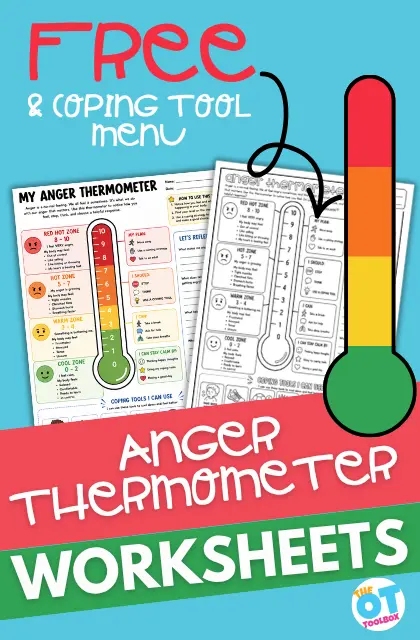
A new therapeutic resource is rolling out across clinical and educational settings to help individuals better manage emotional intensity, with a primary focus on anger and frustration. Developed as part of a free printable series by The OT Toolbox, the newly introduced "Anger Thermometer" is designed to support occupational therapy interventions by bridging the gap between emotional regulation, executive functioning, and daily functional performance.
While the concept of an emotional scale is not entirely new to behavioral health and therapy practices, the creators behind this latest tool wanted to target the specific underlying mechanisms that influence how a person participates in daily life. Occupational performance—whether in a classroom, a workplace, or a home environment—is frequently disrupted when individuals struggle with emotional control, self-awareness, social participation, impulse control, conflict resolution, and interoception. The new printable serves as a visual framework aimed at addressing these exact domains.
Measuring Emotional Intensity Through a Visual Scale
Anger is a universal human emotion, and everyone experiences moments of frustration, irritation, and disappointment. However, the core challenge often lies in how individuals recognize those rising feelings and choose to respond. Without adequate self-awareness and structured regulation strategies, intense emotions can interfere significantly with personal relationships, academic achievement, work performance, and overall well-being.

The newly released anger thermometer helps children, teens, and adults identify their emotional intensity, recognize early warning signs, and develop a structured plan to respond to frustration in healthier ways. By plotting feelings along a visual thermometer scale, individuals can learn to catch emotional escalation early, giving them a chance to pause, think, and select an appropriate response before reaching a breaking point.
As a self-monitoring instrument, the tool functions similarly to established models like the Alert Program’s engine levels or the color-coded framework of the Zones of Regulation, but it narrows its focus specifically onto the spectrum of anger. This helps clients who struggle to verbally articulate their emotional states to accurately name and grade their feelings in real time.
The Critical Role of Self-Awareness and Executive Functioning
A central premise of the new tool is that emotional regulation heavily relies on self-awareness. Many individuals do not recognize the initial indicators of mounting frustration until their emotions have already boiled over. Consequently, they may only become aware of their internal state after engaging in yelling, arguing, emotional withdrawal, shutting down, or impulsive behaviors.
By utilizing the thermometer, clients are encouraged to engage in metacognition—the practice of thinking about their own thoughts and actions. This process prompts individuals to reflect on what is happening internally before behavior becomes reactive.
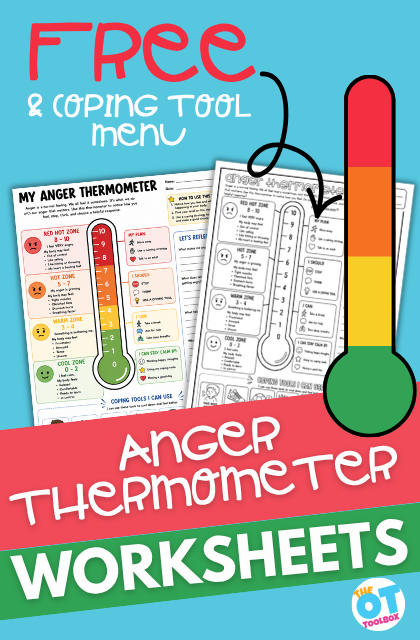
In addition to self-awareness, the tool heavily supports executive functioning skills. When emotions run high, the brain’s executive functions—such as inhibitory control, cognitive flexibility, self-monitoring, problem-solving, and emotional control—often become less efficient. The anger thermometer acts as an external scaffold, assisting individuals in noticing shifts in emotional intensity, applying inhibitory control to pause before acting, and considering alternative, productive ways to navigate a difficult situation.
Identifying Body Clues and Personal Triggers
The framework highlights the physiological nature of anger, noting that physical sensations often manifest in the body long before changes in behavior become apparent. Escalating emotions frequently trigger physical warning signs such as a racing heart, clenched fists, tightened jaw muscles, stomach aches, headaches, or a hot feeling in the face and neck. Learning to recognize these bodily signals allows individuals to deploy coping mechanisms much earlier in the escalation cycle.
Alongside physical awareness, the printable incorporates space to identify personal triggers—specific demands, interactions, or environments that reliably push emotional intensity upward. By recognizing these patterns, clients and their support systems can better anticipate challenging moments and proactively prepare appropriate coping strategies.
Applications Across Daily Occupations
Occupational therapists frequently address emotional regulation because feelings directly influence a person’s ability to participate in meaningful daily activities, known in the profession as occupations. Guided by the principles of the Occupational Therapy Practice Framework, the new tool is designed to support interventions across multiple domains of daily life.
In educational settings, the thermometer helps students follow classroom expectations, handle academic frustration, manage transitions, and participate more effectively in group learning. In workplace environments, it aids adults in maintaining professional relationships, accepting constructive feedback, managing stress, and responding appropriately to professional demands. Furthermore, it supports social participation by helping individuals navigate peer interactions, friendships, family dynamics, and community involvement without resorting to aggressive or withdrawn behaviors.
Colleen Beck, an occupational therapist with over two decades of clinical experience and the creator of The OT Toolbox, noted that resources of this nature are designed to make evidence-based strategies accessible to therapists, educators, and parents alike. As the tool becomes more widely integrated into clinical practice, home environments, and school programs, it provides a practical method for individuals of various ages to build lifelong emotional regulation skills, improve interpersonal relationships, and foster greater independence across their daily lives.