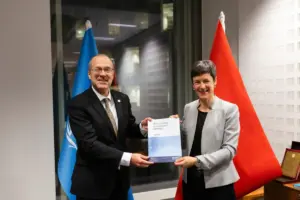









The World Health Organization (WHO) and the Kingdom of the Netherlands have announced a significant renewal of their strategic partnership, signaling a deepened commitment to addressing the accelerating impacts of climate change on global public health. As extreme weather events and shifting environmental patterns increasingly threaten the stability of health systems worldwide, this collaboration serves as a vital pillar for international efforts to bolster climate resilience and promote sustainable, low-carbon healthcare infrastructure.
The renewal of this partnership is underscored by a new financial commitment from the Dutch government, which has allocated €500,000 for 2024 to support the WHO’s ongoing initiatives. This contribution is specifically designed to fortify the Alliance for Transformative Action on Climate and Health (ATACH) Secretariat—a global platform that coordinates efforts to turn climate-health commitments into tangible action. By providing this funding, the Netherlands is ensuring that the WHO possesses the resources necessary to scale its climate change and health programs, providing technical expertise and leadership to member states as they navigate the complexities of a warming planet.
This 2024 allocation is a direct continuation of the collaborative framework established between the two parties in 2023. Over the past year, the partnership has proven instrumental in supporting nations across Africa, Asia, and the Eastern Mediterranean. In these regions, the WHO and the Netherlands have worked in tandem to advance the implementation of integrated climate and health surveillance systems. These systems are essential for early warning, allowing health authorities to anticipate and mitigate the risks posed by climate-sensitive diseases and environmental disasters.
Furthermore, the partnership has been central to helping countries deliver on the health commitments made at COP26. By assisting nations in harmonizing their early warning protocols for climate-related health risks, the WHO and the Netherlands have empowered local health systems to become more responsive and prepared. This work is not merely about disaster response; it is about building the inherent readiness of health systems to withstand the long-term, systemic shocks of a changing climate.
The scope of this collaboration extends beyond direct technical assistance. It is a multi-stakeholder effort that recognizes the necessity of broad engagement. A core activity of the partnership involves coordinating with civil society, Multilateral Development Banks, United Nations agencies, and health professionals to foster a unified, global response to the climate-health nexus. By bringing these diverse entities to the table, the WHO and the Netherlands are fostering a concerted, international strategy aimed at developing climate-resilient and low-carbon health systems that can serve populations even in the face of environmental upheaval.
The Netherlands has firmly positioned itself at the forefront of this movement, largely through the lens of its Global Health Strategy 2023–2030. This policy document explicitly emphasizes the inextricable link between the health of the planet and the health of its inhabitants, moving climate change from a peripheral environmental issue to a central pillar of the Dutch health agenda.
This leadership was further solidified in 2024, when the Netherlands, alongside Peru, led the successful adoption of a new resolution on climate change and health at the 77th World Health Assembly. This landmark resolution represents a significant update to the original 2008 framework, acknowledging that the climate crisis has evolved in scale and urgency since the turn of the century. The resolution calls for a comprehensive WHO global action plan, a surge in national-level initiatives, and the mainstreaming of climate and health priorities within the WHO’s Fourteenth General Programme of Work (GPW). By embedding these priorities into the very structure of the WHO’s strategic planning, the resolution ensures that climate-resilient healthcare remains a permanent and prioritized fixture in global health policy.

With this latest contribution, the total support provided by the Netherlands to the WHO’s climate and health programs has surpassed €1.1 million since 2023. This investment comes at a critical juncture. As the international community prepares for COP29 in Azerbaijan, the discussions surrounding the intersection of health and climate change are expected to take center stage. Countries are currently grappling with the immediate, devastating consequences of climate change—from the spread of vector-borne diseases to the destruction of critical health infrastructure by floods, droughts, and heatwaves.
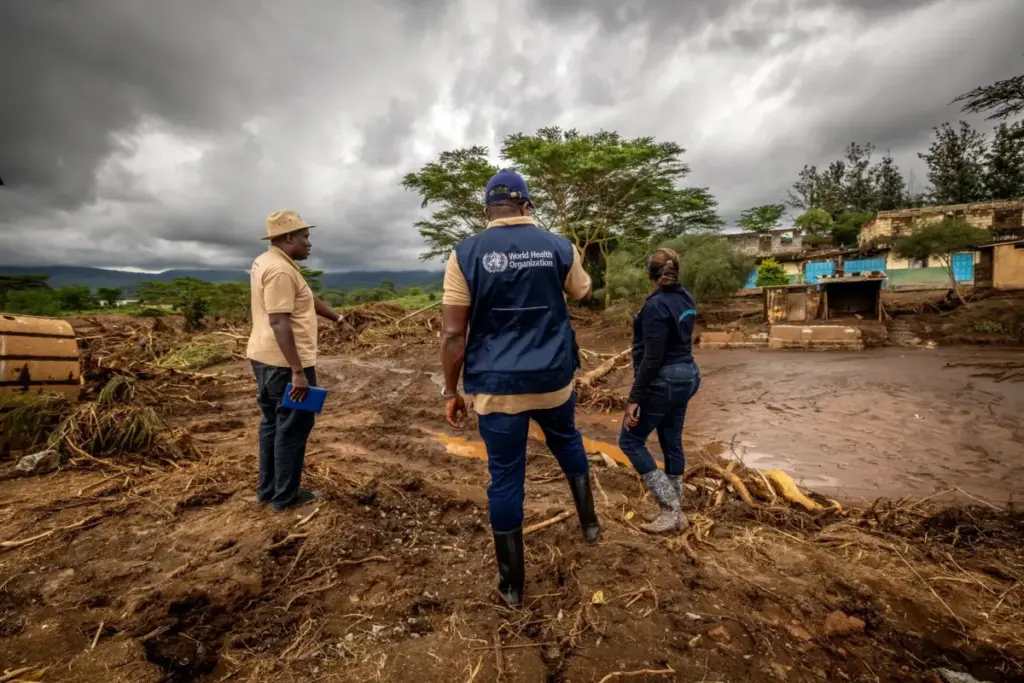
The urgency of this work is starkly illustrated by recent events in regions like Kenya. Between March and May 2024, Kenya faced exceptionally heavy rains that resulted in widespread devastation, including significant fatalities, the emergence of disease outbreaks, and severe damage to essential infrastructure. In the aftermath, WHO-trained rapid responders were deployed to the Mai Mahiu region to assess the impact and assist in managing the health crisis. Such events underscore the life-or-death necessity of the work being supported by the Netherlands-WHO partnership. It is the real-world application of surveillance and preparedness strategies that allows responders to move quickly and effectively when disaster strikes.
The WHO’s latest Investment Case suggests that the stakes are incredibly high. By prioritizing climate change as a key focus area within the new GPW, and through the collaborative efforts of the WHO, member states, and strategic partners, the organization estimates that approximately 7.5 million lives could be saved over the next four years. This ambitious target highlights the potential impact of investing in early warning systems, resilient infrastructure, and sustainable health practices.
As the partnership looks toward the future, the primary objective remains the same: ensuring that health is treated as a core component of all climate negotiations and actions. The focus on building resilience in the world’s most vulnerable regions is a hallmark of the collaboration. By empowering countries to implement sustainable, low-carbon healthcare solutions, the Netherlands and the WHO are not only addressing the immediate health threats posed by climate change but are also contributing to the global transition toward a more sustainable and equitable future.
The ongoing cooperation between the Netherlands and the WHO serves as a model for how international partnerships can translate high-level policy into concrete, lifesaving action. As the global health community moves forward, the commitment to climate resilience will remain a defining challenge. Through their sustained financial and strategic support, the Netherlands is ensuring that the WHO is well-equipped to guide the world through these turbulent times, fostering a global health architecture that is robust enough to protect the lives and well-being of future generations against the backdrop of a changing climate.
The integration of climate considerations into national health planning, supported by this partnership, signifies a fundamental shift in how the global community approaches public health. It is a shift from reactive management to proactive resilience. As countries develop their strategies for the years ahead, the support provided by this alliance will be instrumental in ensuring that the lessons learned from recent climate disasters are turned into policies that prevent future loss of life, mitigate environmental health risks, and create a more sustainable path forward for health systems in every corner of the globe. The partnership remains a testament to the fact that while climate change is a global threat, it can be met with a coordinated, evidence-based, and compassionate international response.