







BREAKING NEWS
Applied Behavior Analysis Northwestern Researchers Identify Neural Mechanism Behind Cannabis-Induced Anxiety 4 hours ago Child Development Consistency Over Intensity: Why Daily Movement May Be the Secret to Better Sleep 4 hours ago Speech and Language Therapy Mastering the Art of Inquiry: New Approaches to Supporting Children and Teens in Communication Development 4 hours ago Mental Health and Psychology The Architecture of Despair: How Apocalyptic Narratives Strip Away Human Agency 4 hours ago Pediatric Healthcare World Health Day 2024: WHO Champions the Fundamental Right to Health for All 4 hours ago Learning Disabilities How a Rare Gene Mutation Connected a Boy’s Autism Diagnosis to Parkinson’s Disease Research 4 hours ago Neurodiversity Sowing the Seeds for Ecological and Intersectional Communal Wellbeing: Reframing Human Ways of Being Beyond the Colonial Paradigm 4 hours ago Behavioral Health Bridging the Divide: How Parents and Struggling Adult Children Can Transform Longstanding Conflicts 4 hours ago Applied Behavior Analysis Northwestern Researchers Identify Neural Mechanism Behind Cannabis-Induced Anxiety 4 hours ago Child Development Consistency Over Intensity: Why Daily Movement May Be the Secret to Better Sleep 4 hours ago Speech and Language Therapy Mastering the Art of Inquiry: New Approaches to Supporting Children and Teens in Communication Development 4 hours ago Mental Health and Psychology The Architecture of Despair: How Apocalyptic Narratives Strip Away Human Agency 4 hours ago Pediatric Healthcare World Health Day 2024: WHO Champions the Fundamental Right to Health for All 4 hours ago Learning Disabilities How a Rare Gene Mutation Connected a Boy’s Autism Diagnosis to Parkinson’s Disease Research 4 hours ago Neurodiversity Sowing the Seeds for Ecological and Intersectional Communal Wellbeing: Reframing Human Ways of Being Beyond the Colonial Paradigm 4 hours ago Behavioral Health Bridging the Divide: How Parents and Struggling Adult Children Can Transform Longstanding Conflicts 4 hours ago
Stories
Northwestern Researchers Identify Neural Mechanism Behind Cannabis-Induced Anxiety
Consistency Over Intensity: Why Daily Movement May Be the Secret to Better Sleep
Mastering the Art of Inquiry: New Approaches to Supporting Children and Teens in Communication Development
The Architecture of Despair: How Apocalyptic Narratives Strip Away Human Agency
World Health Day 2024: WHO Champions the Fundamental Right to Health for All
How a Rare Gene Mutation Connected a Boy’s Autism Diagnosis to Parkinson’s Disease Research
Sowing the Seeds for Ecological and Intersectional Communal Wellbeing: Reframing Human Ways of Being Beyond the Colonial Paradigm
Bridging the Divide: How Parents and Struggling Adult Children Can Transform Longstanding Conflicts
Federal Officials Launch National Initiative to Make Community Gardens Accessible for People with Disabilities and Older Adults
WHO and the Netherlands Strengthen Strategic Partnership to Address Global Health Challenges and Secure Sustainable Financing

Category: Applied Behavior Analysis

140 posts

Standard

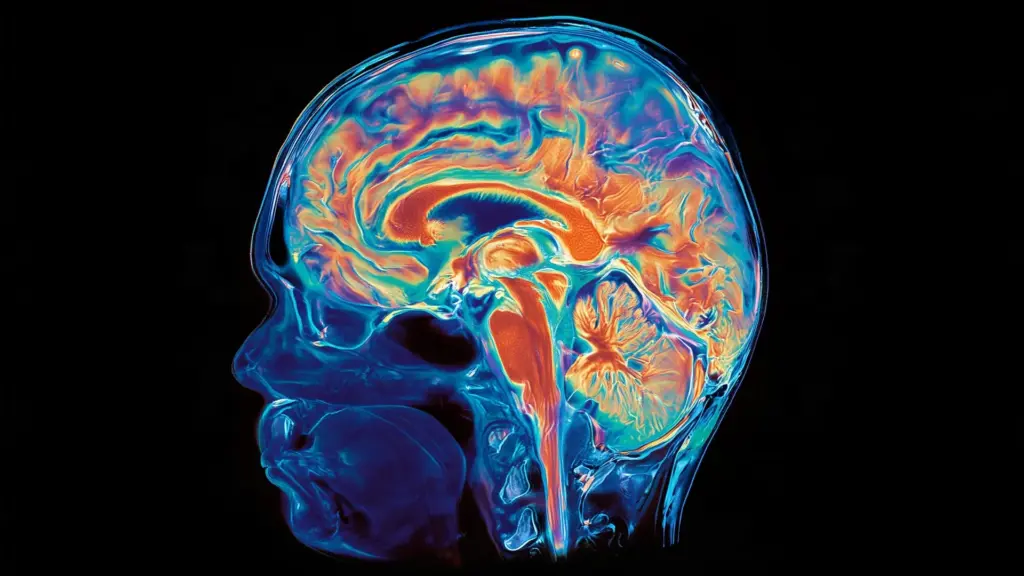
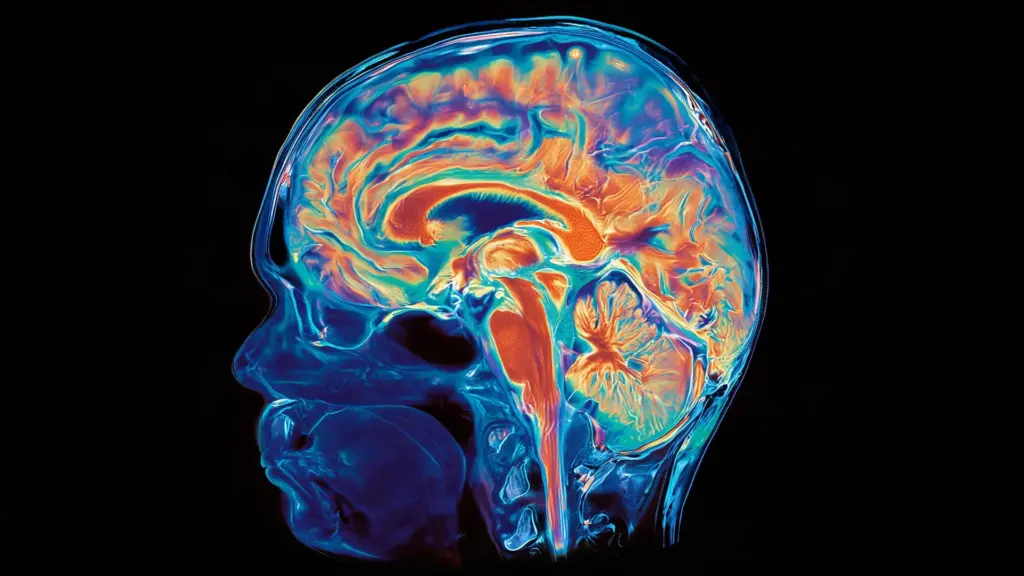
Landmark Study Reveals How Amyloid Removal May Halt Alzheimer’s Progression

An unusually detailed examination of an Alzheimer’s patient’s brain has provided researchers with a rare and compelling glimpse into the biological mechanics of the disease. By comparing brain regions that responded to treatment against those that remained resistant, scientists have uncovered striking evidence that the removal of amyloid plaques—a hallmark of Alzheimer’s disease—may directly prevent…
Read more
Standard

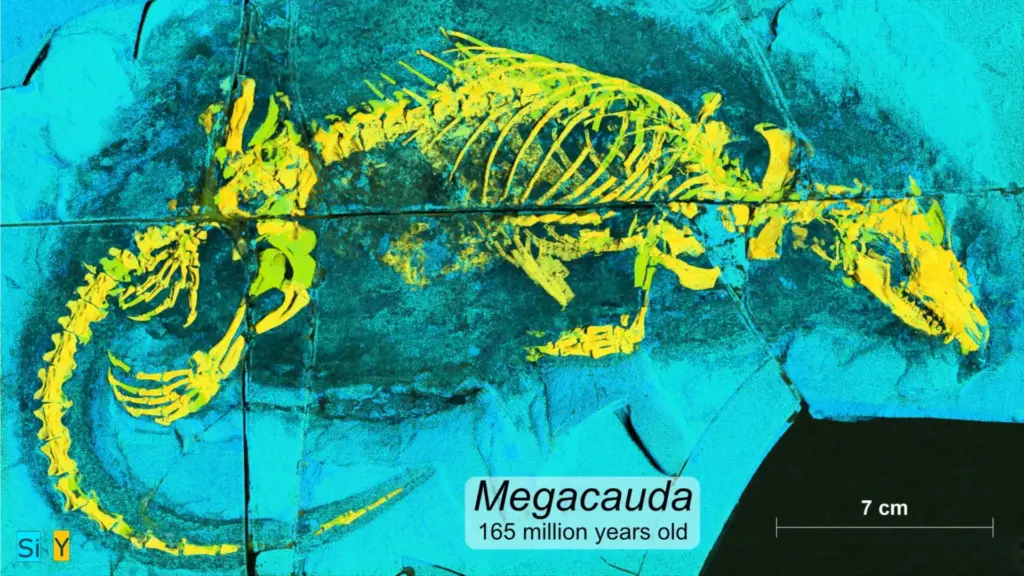
Jurassic "Tiny Giant": Fossil Discovery Reveals Origins of Mammalian Swallowing

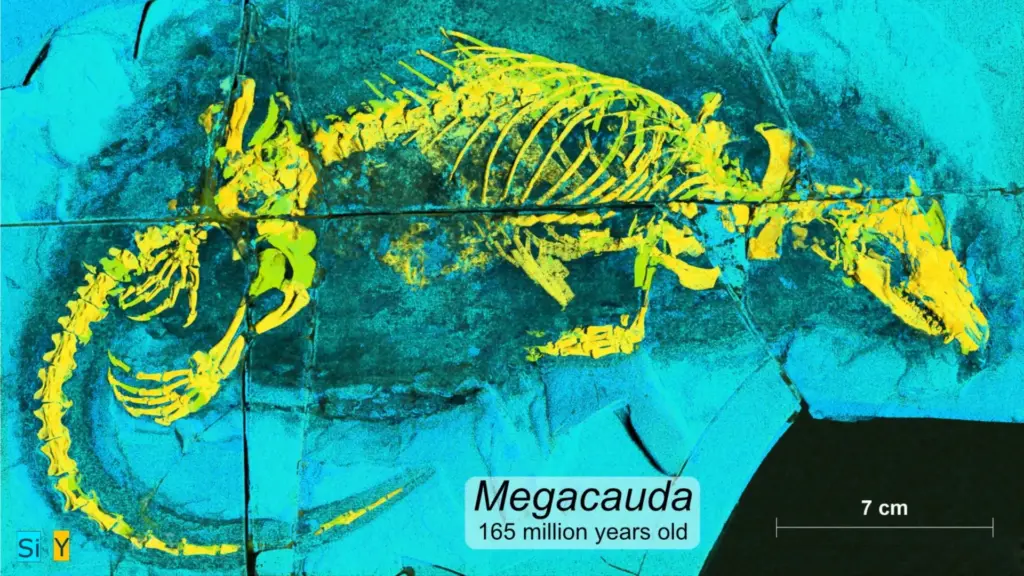
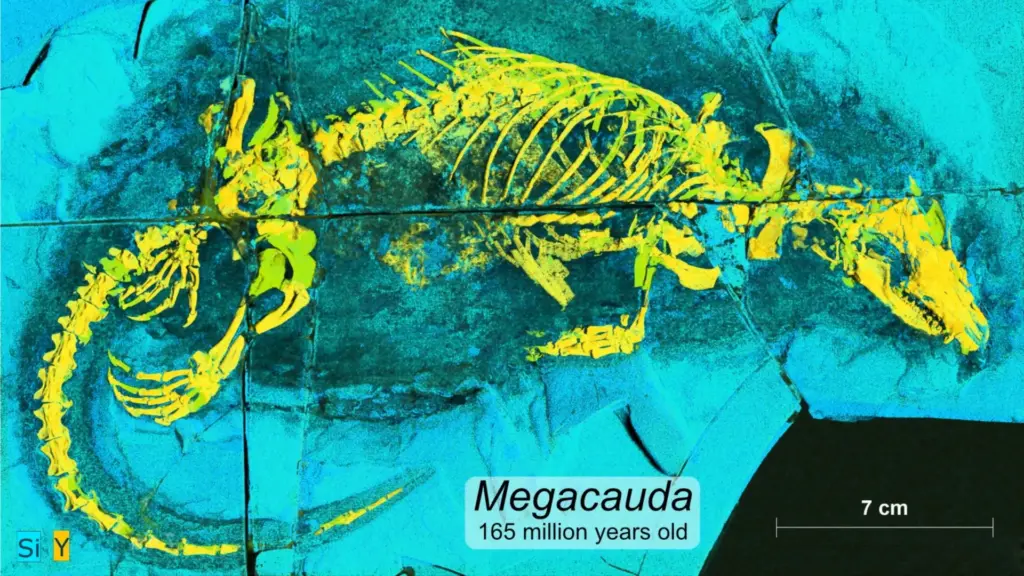
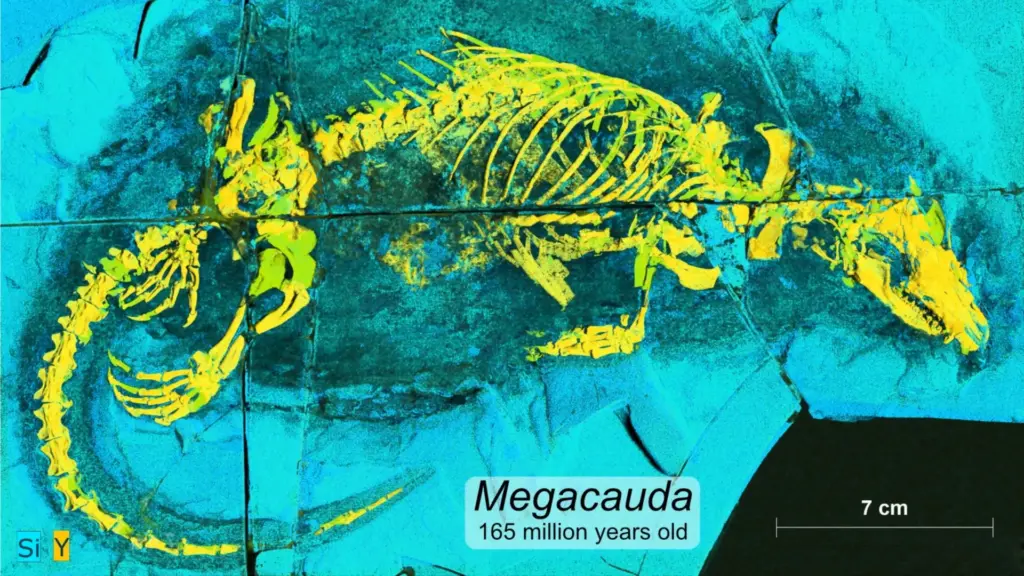
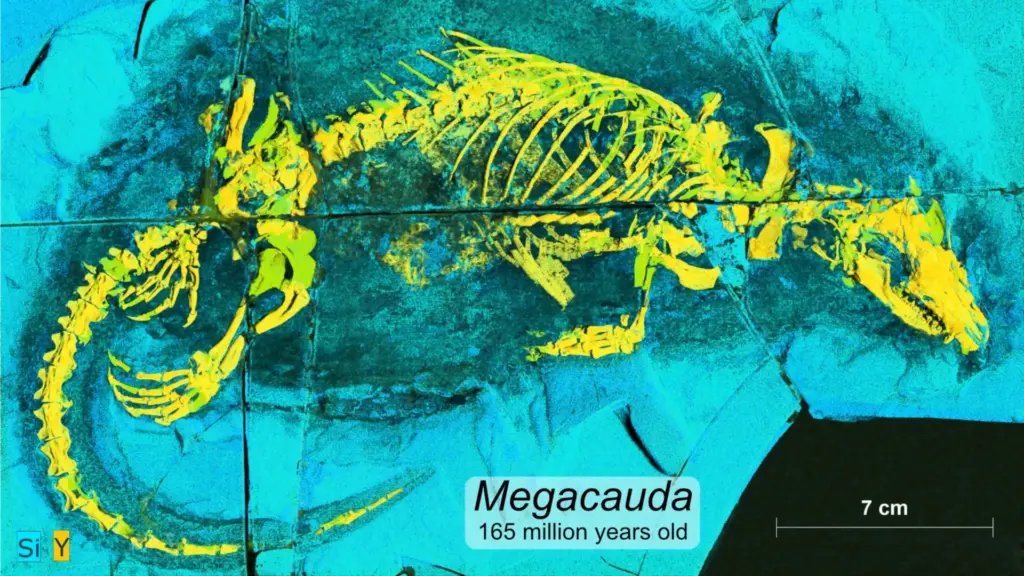
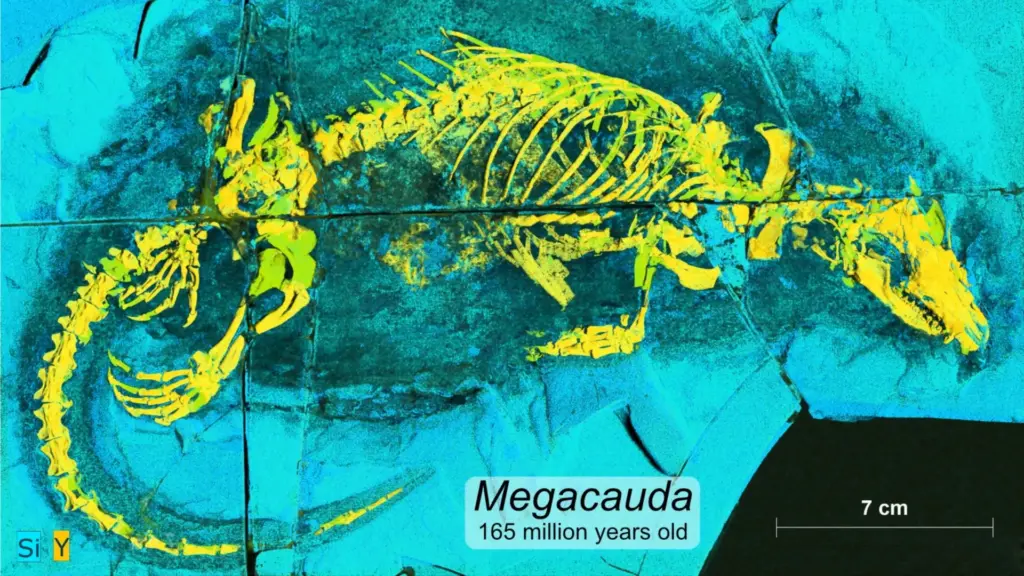
A 165-million-year-old fossil unearthed in the remote regions of Inner Mongolia is providing scientists with a profound look into the deep evolutionary history of mammals. The creature, a furry, otter-like predator named Megacauda sungei, has emerged as a centerpiece for understanding how early mammalian ancestors successfully navigated a world dominated by dinosaurs. Despite measuring only…

Read more
Standard

New Evidence Suggests Amyloid Removal May Halt Alzheimer’s Progression by Blocking Tau Accumulation

An unusually detailed examination of a brain donated by a former Alzheimer’s disease clinical trial participant has provided scientists with what may be the most compelling evidence to date that clearing amyloid plaques can help protect the brain from the secondary, more destructive stages of the disease. The study, presented at the 2026 Alzheimer’s Association…

Read more
Standard

The Jurassic Giant: How a 165-Million-Year-Old Predator Rewrote the History of Mammalian Evolution

Deep within the fossil record of Inner Mongolia lies the story of a creature that, while small by modern standards, was a titan among its contemporaries. Scientists have unveiled the existence of Megacauda sungei, a furry, aquatic predator that thrived 165 million years ago during the Jurassic Period. Measuring approximately half a meter (20 inches)…

Read more
Standard

Jurassic Pioneer: Ancient Semi-Aquatic Predator Reveals Origins of Mammalian Nursing

In the shadow of the gargantuan dinosaurs that dominated the Jurassic period, a small but formidable creature was quietly perfecting biological innovations that would one day define the mammalian lineage. Scientists have identified a 165-million-year-old fossil, Megacauda sungei, a furry, semi-aquatic predator that provides an unprecedented look at how early mammal relatives navigated their environments…

Read more
Standard

Jurassic Pioneer: Ancient Semi-Aquatic Predator Reveals Origins of Mammalian Evolution

In the shadow of the gargantuan dinosaurs that dominated the Jurassic period, a small, fur-covered creature was quietly pioneering biological innovations that would eventually define the future of mammalian life. Paleontologists have recently unveiled the discovery of Megacauda sungei, a 165-million-year-old predator that provides a startlingly clear window into the evolutionary history of mammals. Measuring…

Read more
Standard

Mapping the Brain’s Hidden Chemical Architecture: Scientists Unveil the First Lipid Brain Atlas

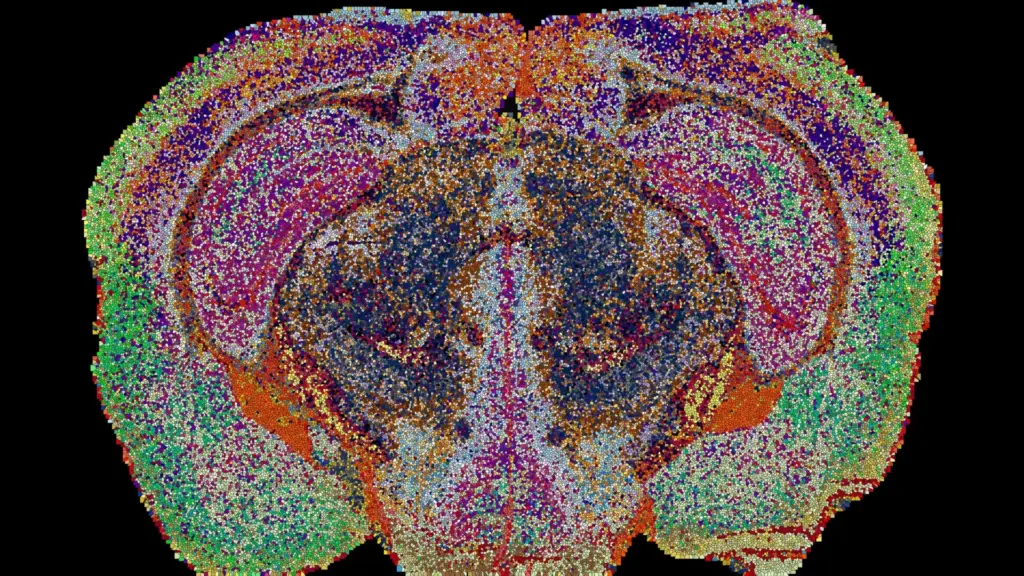
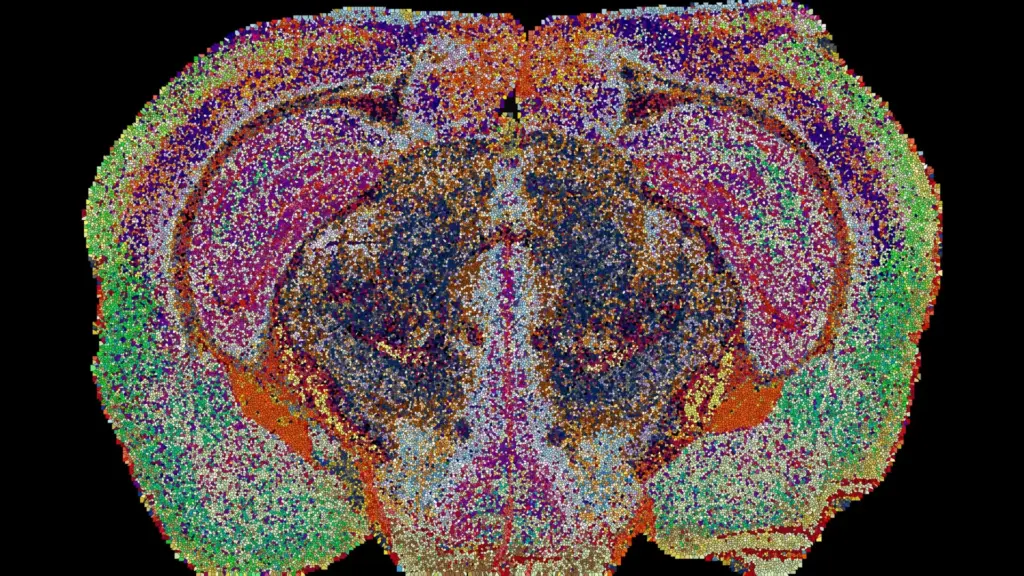
For decades, the scientific community’s quest to decipher the complexities of the brain has been dominated by a focus on its structural and genetic blueprints. Researchers have spent exhaustive years mapping the intricate network of neurons, decoding the genome, and analyzing the proteins that serve as the building blocks of cognition and behavior. Yet, beneath…

Read more
Standard

Ancient Aquatic Predator Reveals Key Evolutionary Leap in Mammalian History

In the shadowed, dinosaur-dominated landscape of the Jurassic Period, 165 million years ago, a small, fur-covered hunter was prowling the waterways of what is now Inner Mongolia. While its stature—roughly half a meter from nose to tail—might seem modest by modern standards, the discovery of this creature, Megacauda sungei, has provided paleontologists with a profound…

Read more
Standard

Mapping the Invisible: New Lipid Atlas Reveals the Brain’s Secret Chemical Architecture

For decades, the scientific community has been obsessed with the hardware and the software of the human brain. Researchers have spent countless hours mapping the complex thickets of neurons, tracing the intricate connections of the connectome, and sequencing the genetic instructions that dictate brain development. Yet, as we have focused on these primary components, a…

Read more
Standard

Ancient Aquatic Predator Reveals 165-Million-Year-Old Evolutionary Leap in Mammals

In the shadowed, dinosaur-dominated landscape of the Jurassic Period, a small, furry hunter was busy perfecting an evolutionary breakthrough that would eventually pave the way for human intelligence. A newly described species, Megacauda sungei, has provided paleontologists with an unprecedented look into the early development of mammals, offering evidence that key anatomical traits—often thought to…

Read more