






By Cheryl Hall
October 25, 2026
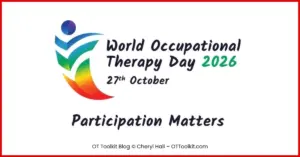
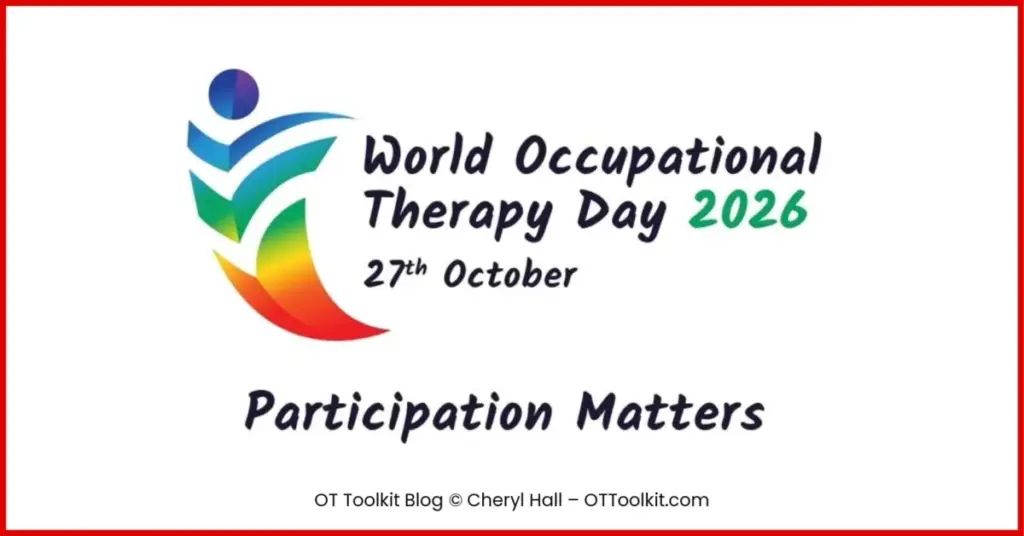
As the calendar turns toward the end of October, the global healthcare community is preparing to observe a significant milestone in the medical and therapeutic calendar. On October 27, practitioners, students, and advocates around the world will come together to mark World Occupational Therapy Day. This annual event, spearheaded by the World Federation of Occupational Therapists (WFOT), serves as a vital platform for recognizing the profound impact of occupational therapy on individual lives and broader public health outcomes.
For those within the profession, this day is more than just a calendar entry; it is a moment to reflect on the core mission of the discipline and to educate the public on how occupational therapy—or OT—fosters independence, dignity, and quality of life for millions of people worldwide. As the 2026 observance approaches, the professional community is engaging in local, national, and international activities designed to highlight the transformative power of occupation in its clinical, social, and functional forms.
At the center of this year’s celebrations is the World Federation of Occupational Therapists (WFOT), the international body that acts as the primary voice for the profession. With a membership that encompasses 117 national occupational therapy organizations, the WFOT represents a massive, interconnected network of over 680,000 practitioners. These professionals work in diverse settings, ranging from acute hospital care and rehabilitation centers to schools, mental health facilities, and community-based organizations. Furthermore, the federation oversees more than 1,100 approved education programs globally, ensuring that the standards of practice, research, and clinical excellence remain rigorous and consistent regardless of geographical boundaries.
The leadership role of the WFOT extends far beyond organizing annual awareness days. It serves as a global advocate for the profession, working to ensure that the unique contributions of occupational therapists are integrated into international health policies and initiatives. By setting global standards for education and promoting robust research agendas, the federation ensures that the practice of occupational therapy remains evidence-based and responsive to the evolving needs of the modern population. Whether through advocating for equitable access to therapy services or supporting the development of local clinical standards in underserved regions, the WFOT remains a pillar of support for the hundreds of thousands of practitioners who dedicate their careers to helping others reclaim their daily lives.
The theme for the 2026 celebration, “Participation Matters,” resonates deeply with the foundational philosophy of the field. In the context of occupational therapy, “participation” is not merely a buzzword; it is the fundamental outcome that practitioners strive to achieve. It refers to the ability of individuals to engage in the everyday activities, routines, and roles that give life meaning and sustain human health. For a child, this might mean the ability to play and interact with peers; for a working adult, it could involve the capacity to return to employment after an injury; and for an aging individual, it might manifest as the ability to maintain the autonomy required to live safely in one’s own home.
This theme serves as a timely reminder that health is not merely the absence of disease, but the presence of the ability to participate in the world. Occupational therapists are uniquely trained to analyze the intersection of a person’s physical, cognitive, and emotional capabilities with the demands of their environment. By identifying barriers to participation—whether those barriers are physical, societal, or psychological—OTs work collaboratively with patients to create solutions that enable engagement.
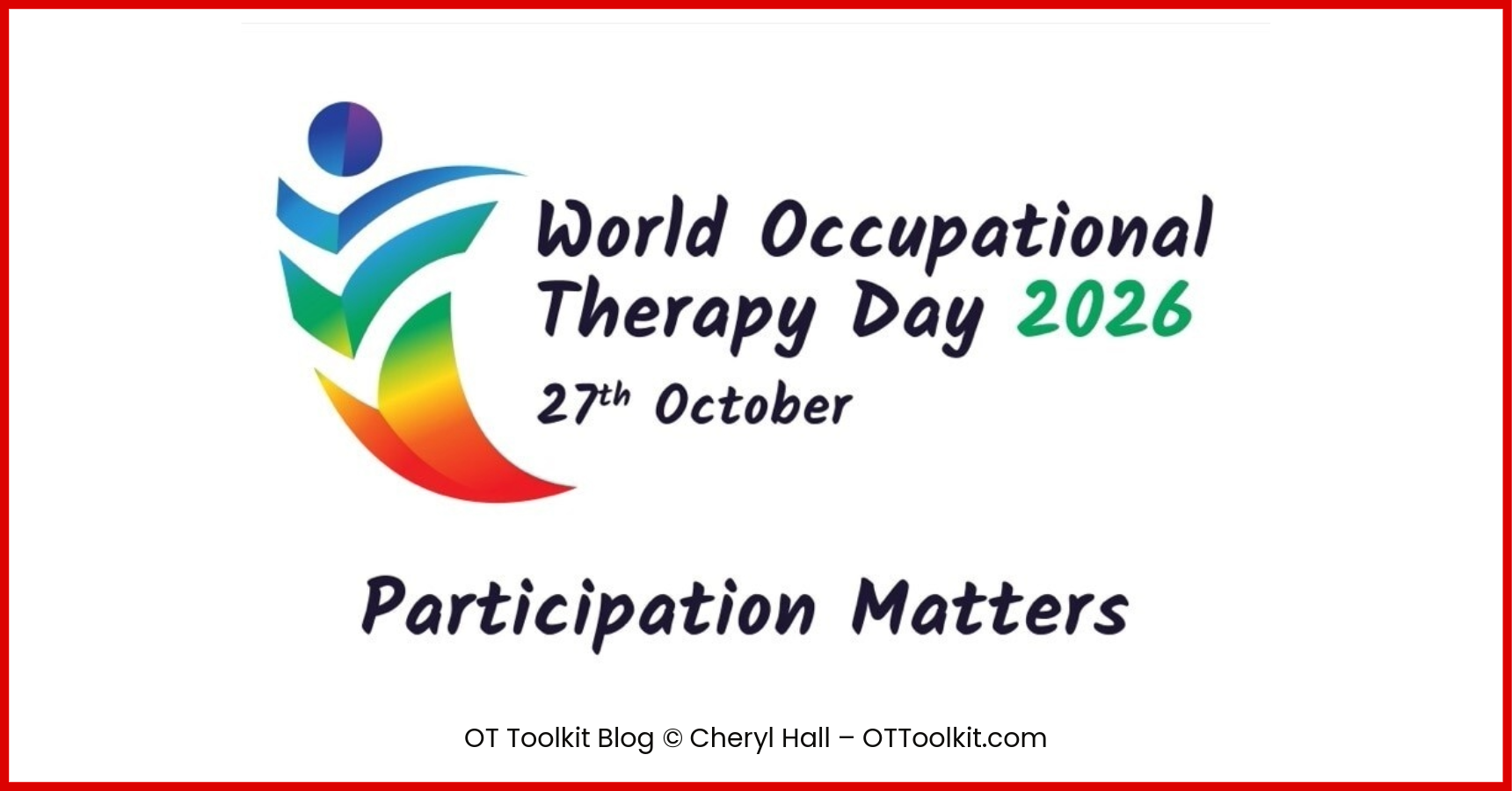
As practitioners frequently observe, the impact of these interventions is rarely confined to the specific task being addressed. Instead, the empowerment of a patient to achieve independence in a single, seemingly small task often triggers a positive ripple effect across their entire life. When a person regains the ability to feed themselves, dress independently, or engage in a meaningful hobby, the psychological boost in self-esteem and the physical gains in functional mobility often lead to improved overall health, reduced reliance on caregivers, and a renewed sense of purpose. This ripple effect is the essence of why “Participation Matters.” It is a celebration of the holistic approach that defines the profession, acknowledging that small victories in a clinic or home setting often lead to significant gains in a patient’s long-term well-being and life satisfaction.
The importance of this day is also reflected in the diversity of the settings in which occupational therapy is practiced. From neonatal intensive care units where OTs support early development, to geriatric wards where they facilitate safe aging-in-place, the scope of the profession is vast. The 2026 World OT Day provides an opportunity for these varied specialists to share their expertise, exchange research findings, and advocate for the inclusion of occupational therapy services in broader health systems. It is also a time for practitioners to reach out to their local communities to dispel myths about the profession and ensure that the public understands the breadth of services available to them.
As the international community gears up for October 27, the WFOT has encouraged practitioners and organizations to utilize the wealth of resources available on their official website. These materials are designed to help professionals host events, distribute educational information, and engage with policymakers to promote the value of occupational therapy. By visiting the World Federation of Occupational Therapists’ portal, stakeholders can find advocacy toolkits, graphic assets for social media, and historical context regarding the evolution of the profession. These resources are intended to empower local practitioners to take the lead in their own communities, ensuring that the message of “Participation Matters” reaches those who need it most.
Beyond the logistical preparations, there is a palpable sense of unity among the global OT community as they approach this year’s celebration. Despite the different cultural, linguistic, and economic contexts in which these 680,000 practitioners operate, they are united by a common commitment to human dignity and the belief that every individual has the right to participate in the activities that define their lives. This shared mission is what makes World OT Day a significant event, not just for the profession, but for the millions of patients and families whose lives have been positively influenced by the work of an occupational therapist.
As the date approaches, the emphasis remains on the human element of the profession—the connection between the therapist and the patient, and the goal of facilitating a better, more independent quality of life. Whether through academic conferences, local clinical workshops, or simple public awareness campaigns, the objective is to ensure that the vital role of occupational therapy is recognized, celebrated, and supported.
As we look toward the activities planned for October 27, 2026, it is clear that the spirit of the profession remains strong and focused on the future. With the backing of a robust international federation and a growing body of research, occupational therapists continue to adapt to the changing landscape of global health. They remain dedicated to the idea that by enabling participation, they are not only treating conditions but also building a more inclusive and capable society.
To all the professionals who dedicate their time, empathy, and clinical expertise to this noble cause, the upcoming celebration is a well-deserved recognition of your contribution to the global health landscape. For those who benefit from these services, it is a day to acknowledge the practitioners who help them navigate the challenges of injury, illness, and developmental hurdles. As the community gathers to mark this occasion, the message is clear: participation is the cornerstone of health, and the work done by occupational therapists is essential to ensuring that everyone has the opportunity to participate fully in the world around them. Happy World OT Day to all those who make this vital work possible.