







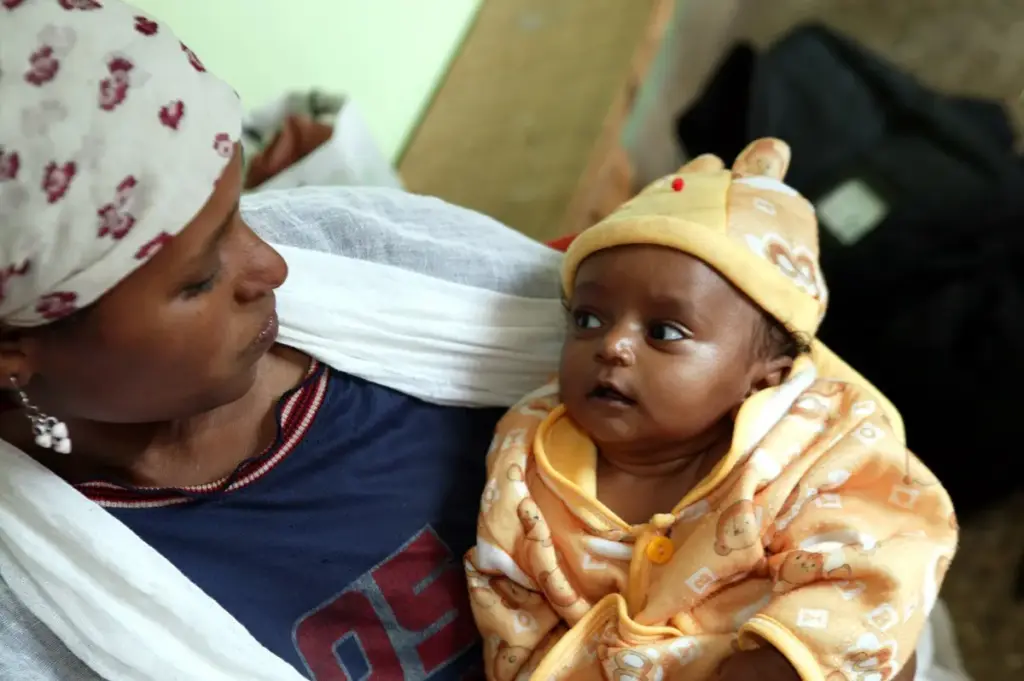
In a significant public health achievement, the World Health Organization (WHO) has announced that the prevalence of chronic hepatitis B virus (HBV) infections in children under the age of five has fallen to less than 1% globally. This data, released to coincide with World Hepatitis Day 2020, marks a monumental shift from the pre-vaccine era—spanning the 1980s through the early 2000s—when infection rates among the same age group hovered around 5%.
This downward trend represents the successful realization of a critical milestone target set within the Sustainable Development Goals (SDGs), which aimed to drive HBV prevalence in young children below the 1% threshold by 2020. By effectively curbing the transmission of the virus during the most vulnerable stages of early childhood, the global health community has laid the groundwork for preventing millions of future cases of liver damage and hepatocellular carcinoma.
A Legacy of Preventive Action
Dr. Tedros Adhanom Ghebreyesus, Director-General of the World Health Organization, emphasized the moral and medical imperative behind this progress. "No infant should grow up only to die of hepatitis B because they were not vaccinated," Dr. Tedros stated. "Today’s milestone means that we have dramatically reduced the number of cases of liver damage and liver cancer in future generations."

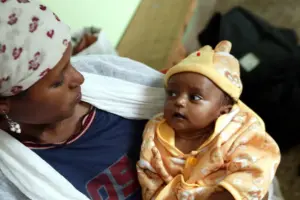
The strategy for achieving these results has relied heavily on the prevention of mother-to-child transmission, which remains the most vital tool in controlling the spread of the disease. Despite the immense pressures placed on global health systems by the COVID-19 pandemic, the WHO has urged nations to maintain the momentum, insisting that life-saving services, particularly hepatitis B vaccinations for newborns, must remain a priority even during times of crisis.
To build upon this success, the WHO is calling for a renewed, unified effort to intensify testing protocols for pregnant women. By ensuring that those who test positive for HBV receive appropriate antiviral prophylaxis, the medical community can further minimize the risk of vertical transmission. This approach, paired with the consistent expansion of universal childhood immunization programs, is seen as the primary pathway toward a hepatitis-free future.
The Scale and Severity of Hepatitis B
While the drop in childhood infection rates is a cause for celebration, the broader landscape of the virus remains challenging. Globally, more than 250 million people are currently living with chronic HBV infection. The urgency of childhood vaccination stems from the virus’s particular impact on the very young: approximately 90% of infants who contract the hepatitis B virus during their first year of life will develop a chronic, lifelong infection. Left unmanaged, the virus relentlessly attacks the liver, contributing to nearly 900,000 deaths every year from complications such as cirrhosis and liver cancer.
The most effective shield against this progression is a safe and highly effective vaccine, which offers over 95% protection against HBV infection. The current global standard of care involves a first dose administered as soon as possible after birth—ideally within the first 24 hours—followed by at least two additional doses to complete the immunization series.
The widespread adoption of this vaccination schedule over the past two decades has been a cornerstone of modern public health. Much of this success can be attributed to the robust support provided by Gavi, the Vaccine Alliance, which has been instrumental in scaling up access to immunization in low- and middle-income countries. Global coverage for the full three-dose childhood series reached 85% in 2019, a dramatic increase from approximately 30% in the year 2000.
However, the "birth dose" remains a point of concern for health officials. While 85% of children receive the full series, the critical first dose administered within 24 hours of birth has only reached 43% coverage globally. Disparities are stark: in the WHO Eastern Mediterranean Region, that coverage falls to 34%, while in the African Region, it languishes at just 6%.
Dr. Meg Doherty, Director of Global HIV, Hepatitis and STI Programmes at the WHO, highlighted the necessity of closing this gap. "Expanding access to a timely birth dose of the hepatitis B vaccine is the cornerstone of efforts to prevent mother-to-child transmission of HBV," she explained. "For countries, especially in regions such as sub-Saharan Africa where the birth dose has not yet been introduced, it is a priority to assure that protection as early as possible."
Strengthening the Defense Against Vertical Transmission
Beyond vaccination, the WHO is enhancing its clinical guidance to further reduce the risk of vertical transmission. Routine testing of all pregnant women for hepatitis B, alongside screenings for HIV and syphilis, is a standard recommendation. Based on emerging evidence regarding the safety and efficacy of antiviral prophylaxis during pregnancy, the WHO is introducing new recommendations aimed at providing an additional layer of protection.
In regions where high immunization coverage—including the timely birth dose—is already standard, the introduction of routine testing and targeted antiviral treatment for pregnant women who test positive for the virus serves as a powerful supplementary strategy. These efforts are part of the "triple elimination" initiative, a global effort to eliminate mother-to-child transmission of HIV, syphilis, and hepatitis B.
Achieving these goals is a prerequisite for the broader WHO global hepatitis strategy, which seeks to reduce the number of new infections by 90% and lower related deaths by 65% compared to 2015 levels.
The Threat of the COVID-19 Pandemic
Despite the optimism surrounding the 1% milestone, the emergence of the COVID-19 pandemic threatens to undo years of progress. New modeling conducted by Imperial College London in collaboration with the WHO suggests that interruptions to vaccination programs could have catastrophic consequences for the global fight against hepatitis B.
If the pandemic leads to significant disruptions—such as a 60% reduction in birth dose administration and a 20% decline in childhood immunization coverage over the course of a year—the long-term impact would be profound. Under such a worst-case scenario, combined with slow post-pandemic recovery in vaccination infrastructure, researchers project an additional 5.3 million chronic HBV infections among children born between 2020 and 2030. Furthermore, these disruptions could lead to approximately 1 million additional deaths related to hepatitis B later in the lives of those children.
These findings underscore the reality that missed opportunities in the present will have life-altering consequences for future generations. As the world navigates the COVID-19 crisis, the WHO warns that maintaining essential, life-saving immunization services is not merely an option, but a requirement for global health security.
World Hepatitis Day, commemorated annually on July 28, serves as a poignant reminder of the work that remains. With five main strains of the hepatitis virus—A, B, C, D, and E—the burden of liver inflammation remains a leading cause of morbidity and mortality. Hepatitis B and C, in particular, remain the most common drivers of liver-related fatalities, claiming 1.3 million lives each year. As the world looks toward a "hepatitis-free future," the focus on protecting mothers and newborns stands as the most critical defense in an ongoing, global health effort.