






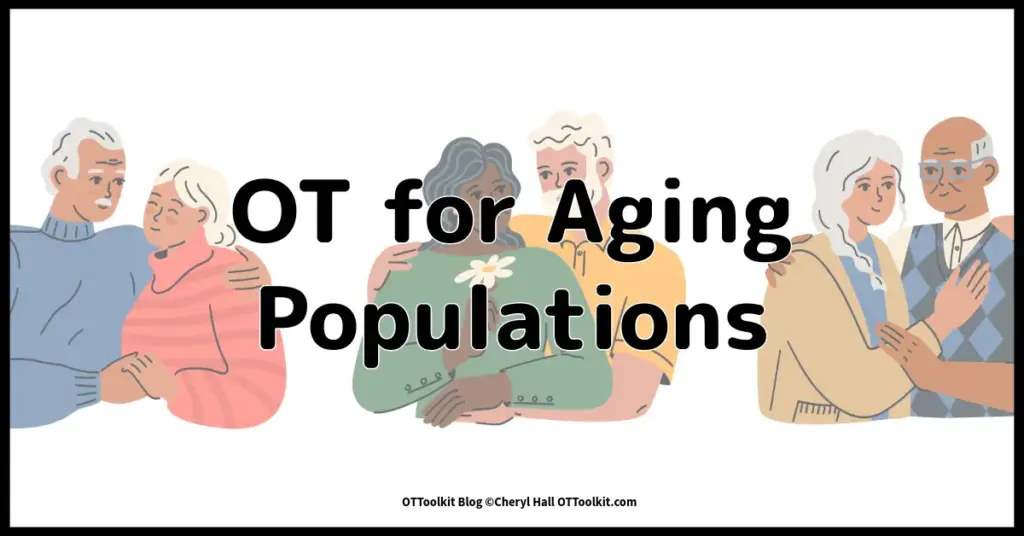
For occupational therapists (OTs) seeking a career path that is both professionally stimulating and deeply impactful, few areas offer the potential for meaningful connection quite like geriatric care. While the field of occupational therapy is broad, specializing in the needs of older adults is increasingly being recognized as a cornerstone of modern healthcare. Those who have dedicated their practice to this demographic often describe it as an incredibly rewarding experience, one that moves beyond simple clinical intervention to become a vital part of helping individuals maintain their dignity and quality of life.
The demand for such specialized care is not merely a professional trend; it is a demographic imperative. The segment of the population aged 65 and older is currently the fastest-growing demographic group, not only within the United States but across the globe. This shift is reshaping the landscape of healthcare delivery in real-time. In the United States, current data highlights a profound trend: in more than 1,400 counties—representing nearly half of all counties in the country—older adults now outnumber children. This demographic reality necessitates a shift in how medical services are prioritized, designed, and delivered.
Central to this shift is the overwhelming preference among the elderly to "age in place." The concept of aging in place—remaining in one’s own home as one grows older—is driven by a desire for autonomy. For many, the home is a repository of memories and a central hub of community connection. Beyond the emotional benefits, remaining at home allows older adults to maintain control over their daily decisions, preserve their privacy, and often avoid the significantly higher costs associated with institutionalized senior living. For occupational therapists, this creates a unique opportunity to serve as architects of independence, providing the clinical expertise necessary to make the dream of aging in place a safe and viable reality.

To serve this population effectively, an occupational therapist must develop a sophisticated, multi-faceted understanding of the aging process. Aging is not a monolithic experience; it is a complex interplay of physical, cognitive, and emotional changes that must be holistically integrated into every treatment plan. On the physical front, therapists must be prepared to address the common, often overlapping, challenges of musculoskeletal decline, such as issues with bones, joints, and muscles. These are frequently compounded by balance and mobility challenges, chronic health conditions, and a gradual decline in sensory perception and fine motor dexterity.
Cognitive health is equally critical. While many older adults experience a level of normal cognitive slowing, this can be significantly exacerbated by various medical comorbidities, the side effects of complex medication regimens, and nutritional deficits. Furthermore, age remains the single most significant risk factor for conditions such as Mild Cognitive Impairment (MCI), dementia, and Alzheimer’s disease. Simultaneously, while many older adults report experiencing a greater sense of happiness and life satisfaction in their later years, these physical and cognitive hurdles can undeniably weigh on a patient’s emotional health. The effective OT is one who listens carefully, recognizing that these diverse factors serve as potential roadblocks to the occupations that matter most to their patients.
Preparation is the hallmark of a successful clinical engagement. When approaching an appointment, having the right assessment tools is essential to establishing a clear baseline and tracking progress. Organizations such as the American Occupational Therapy Association (AOTA) provide comprehensive resources and guidance for selecting appropriate, evidence-based assessments that align with best practices in geriatric care. Utilizing these tools effectively allows a therapist to identify the precise areas where a patient is struggling and where targeted intervention can yield the greatest improvement in functional outcomes.
A recurring theme heard in the clinics and homes of older patients is a singular, persistent desire: the need to maintain independence in their daily living. Occupational therapy is uniquely positioned to address this, as it is one of the few disciplines that views the mastery of Activities of Daily Living (ADLs) as a primary clinical goal. Helping patients refine techniques, select appropriate adaptive equipment, and even integrate modern technology to improve their ability to toilet, dress, bathe, and eat independently is profoundly rewarding. When a patient who struggled with these basic tasks regains the ability to perform them without assistance, it fundamentally alters their daily experience and bolsters their self-esteem.
The scope of support extends well beyond basic self-care. Occupational therapists are instrumental in assisting patients with more complex Instrumental Activities of Daily Living (IADLs), such as medication management, meal preparation, transportation, shopping, and effective communication. In the modern era, technological supports are increasingly vital in these areas. Furthermore, these efforts are underpinned by the development of functional, customized strengthening programs designed to support the management of chronic conditions, including COPD, Parkinson’s disease, arthritis, and diabetes.
For those working in home health settings, the opportunity for impact is magnified by the ability to evaluate the patient’s environment directly. An OT’s expertise in assessing a home for safety concerns and fall hazards is a life-saving intervention. Beyond suggesting modifications to the physical layout of a home, therapists play a crucial role in evaluating the necessity of assistive devices. Common evaluations often focus on mobility and balance, leading to the recommendation of walkers, rollators, canes, or even the installation of stairlifts.
The bathroom, frequently cited as one of the most dangerous rooms in the home due to the risk of slips and falls, is a primary focus for many home health occupational therapists. Strategic recommendations—such as the installation of grab bars, raised toilet seats, toilet frames, and shower chairs or transfer benches—are simple, yet highly effective, ways to preserve a patient’s independence and privacy. The integration of technology is also becoming a standard component of home safety; therapists can recommend smart home monitoring systems, specialized medication organizers, and medical alert devices that provide peace of mind to both the patient and their families. Additionally, for patients experiencing fine motor deficits or vision loss, therapists can introduce specialized tools to compensate for these challenges, ensuring that dressing, cooking, and other essential activities remain accessible.
Ultimately, the strength of the occupational therapy profession lies in its holistic approach. It is a discipline that prioritizes the patient’s goals above all else, ensuring that clinical interventions are always centered on what the individual values most. By applying this patient-centered lens, occupational therapists can implement the necessary supports to help older adults maintain their independence and continue participating in the meaningful occupations that define their lives. As the population continues to age, this commitment to preserving autonomy and fostering quality of life will remain the most vital contribution an occupational therapist can make to the health and well-being of the older adult community.