






By Michelle Diament | October 16, 2026
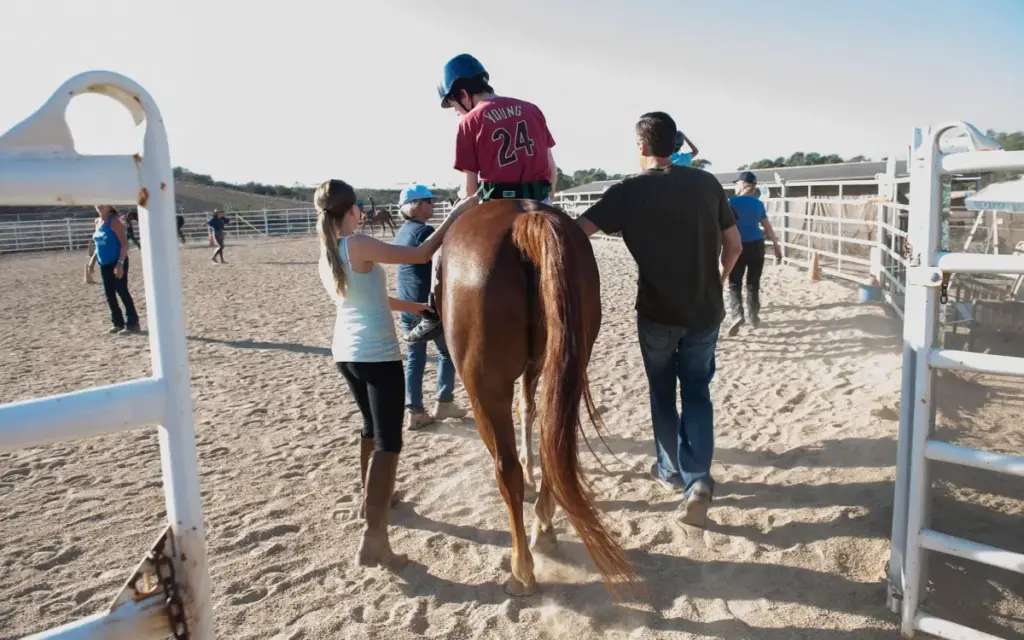
Riding horses or simply spending structured time around them can make a profound, measurable difference for children and teenagers diagnosed with autism, helping to significantly reduce hyperactivity and enhance critical social skills, according to new research published this month.
In a comprehensive clinical study involving 236 children diagnosed with autism and co-occurring psychiatric conditions, researchers discovered that active participation in either a therapeutic riding program or structured barn activities produced meaningful, positive behavioral outcomes. The findings offer fresh insights into how non-traditional, experiential therapies can complement standard clinical interventions for young people on the autism spectrum.

The study, which focused on youth ranging in age from 6 to 16, aimed to better understand the distinct impacts that equine-related programs have on emotional regulation, irritability, hyperactivity, and social engagement. Participants were divided into distinct groups to evaluate the immediate and progressive effects of the interventions.
Some of the children participating in the study were randomly assigned to receive therapeutic horseback riding lessons once a week for a duration of 10 weeks. Others were placed into a barn activity group where they observed and interacted with horses and their environment, but did not actually mount or ride the animals. A third cohort served as a control group, undergoing a waiting period before transitioning into five weeks of barn activities followed by five weeks of hands-on riding lessons.
According to the findings, which were published this month in the prominent medical journal Pediatrics, both the active riding program and the ground-based barn activities led to significant, observable drops in irritability and hyperactivity among the participants. Beyond these reductions in challenging behaviors, the children also demonstrated notable improvements in emotional regulation and everyday social behaviors.
However, a closer analysis of the data revealed an important distinction between the two approaches. While both environments yielded behavioral benefits, the most profound impact on hyperactivity specifically was observed among the children who were assigned to the active riding group.
"There is something about riding a horse that is particularly helpful for kids with hyperactivity," said Robin Gabriels, a professor of psychiatry at the University of Colorado School of Medicine who led the rigorous research study.
The physical mechanics of horseback riding require a high degree of sensory processing, balance, and coordination. As the horse moves, it provides rhythmic, repetitive motion that vestibular and proprioceptive systems must continuously adapt to, which researchers believe plays a key role in helping children regulate their bodies and focus their attention.
While researchers emphasized that therapeutic horseback riding and equine-assisted activities are not necessarily the right fit for every child with autism—taking into account potential sensory sensitivities, safety considerations, and individual preferences—the study underscores that these programs can serve as powerful, evidence-based supplements to existing therapeutic regimens.
Traditional clinical interventions, such as behavioral therapy, speech therapy, and occupational therapy, often take place in structured office or school environments. While these methods are foundational for many children, they can sometimes make it challenging to generalize learned behaviors into dynamic, real-world social settings. Equine programs offer an alternative or supplementary venue where development can occur organically.
"Working with horses gives these kids a chance to do something active, social, and engaging," Gabriels noted. "For some children, that may be a particularly effective way to help them develop skills that can be difficult to teach in a traditional clinical environment."
The study adds to a growing body of scientific literature exploring the therapeutic value of animal-assisted interventions for neurodivergent youth. As healthcare providers, educators, and families continually seek diverse approaches to address the multifaceted needs of children with autism and co-occurring psychiatric conditions, findings from research like this provide valuable guidance on incorporating engaging, community-based activities into comprehensive care plans.