







BREAKING NEWS
Applied Behavior Analysis Hidden Defenders: Could Immature Neurons Explain Why Some Brains Resist Alzheimer’s? 4 hours ago Child Development New Brain Study Reveals Fundamental Differences in How Autistic Children Perceive Faces 4 hours ago Applied Behavior Analysis The Ancient Legacy: Why Our Brains Are Wired to the Opposite Side of the Body 12 hours ago Sensory Processing New Initiative Seeks to Transform Anxiety Management with a Structured Coping Skills Printable and Data Tracker 12 hours ago Behavioral Health The Science of Hope: Landmark 14-Year Study Reveals Its Profound Impact on Health, Wealth, and Longevity 12 hours ago Pediatric Research WHO to Roll Out Learning and Monitoring Tools to Improve Service Provision During Pandemic 12 hours ago Child Welfare and Advocacy Children’s Defense Fund-California to Host Long Beach Forum Highlighting Decade of Education Equity Advocacy 12 hours ago Applied Behavior Analysis Ultra-Processed Foods May Rewire Children’s Brains Toward Weight Gain, Study Finds 20 hours ago Applied Behavior Analysis Hidden Defenders: Could Immature Neurons Explain Why Some Brains Resist Alzheimer’s? 4 hours ago Child Development New Brain Study Reveals Fundamental Differences in How Autistic Children Perceive Faces 4 hours ago Applied Behavior Analysis The Ancient Legacy: Why Our Brains Are Wired to the Opposite Side of the Body 12 hours ago Sensory Processing New Initiative Seeks to Transform Anxiety Management with a Structured Coping Skills Printable and Data Tracker 12 hours ago Behavioral Health The Science of Hope: Landmark 14-Year Study Reveals Its Profound Impact on Health, Wealth, and Longevity 12 hours ago Pediatric Research WHO to Roll Out Learning and Monitoring Tools to Improve Service Provision During Pandemic 12 hours ago Child Welfare and Advocacy Children’s Defense Fund-California to Host Long Beach Forum Highlighting Decade of Education Equity Advocacy 12 hours ago Applied Behavior Analysis Ultra-Processed Foods May Rewire Children’s Brains Toward Weight Gain, Study Finds 20 hours ago
Stories
Hidden Defenders: Could Immature Neurons Explain Why Some Brains Resist Alzheimer’s?
New Brain Study Reveals Fundamental Differences in How Autistic Children Perceive Faces
The Ancient Legacy: Why Our Brains Are Wired to the Opposite Side of the Body
New Initiative Seeks to Transform Anxiety Management with a Structured Coping Skills Printable and Data Tracker
The Science of Hope: Landmark 14-Year Study Reveals Its Profound Impact on Health, Wealth, and Longevity
WHO to Roll Out Learning and Monitoring Tools to Improve Service Provision During Pandemic
Children’s Defense Fund-California to Host Long Beach Forum Highlighting Decade of Education Equity Advocacy
Ultra-Processed Foods May Rewire Children’s Brains Toward Weight Gain, Study Finds
Protein Linked to Youth May Help Restore Aging Brain Function, Study Finds
Idaho Families in Crisis as Paid Caregiver Program Remains Defunct

Tag: alzheimer

42 posts

Standard

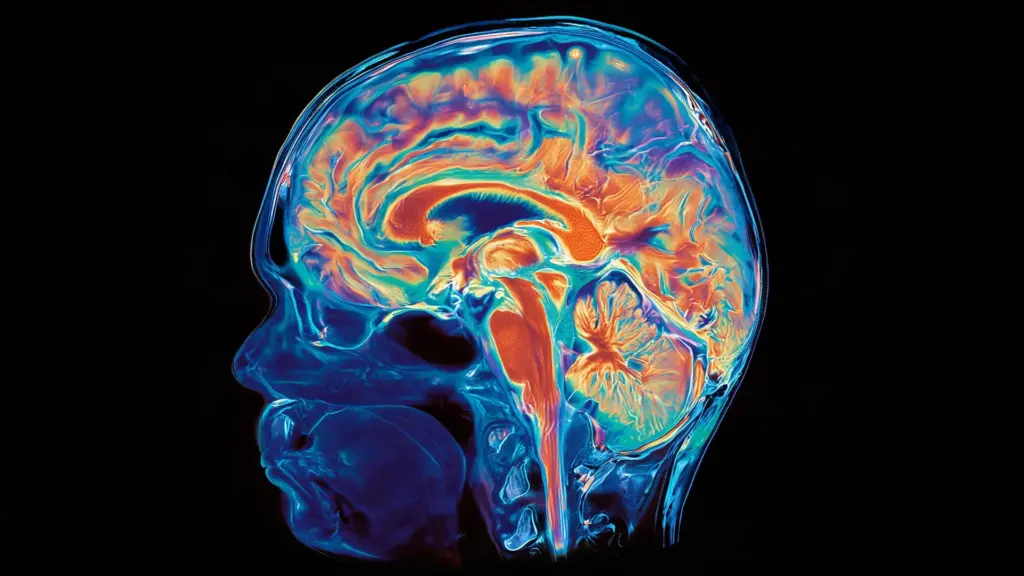
Landmark Study Reveals How Amyloid Removal May Halt Alzheimer’s Progression

An unusually detailed examination of an Alzheimer’s patient’s brain has provided researchers with a rare and compelling glimpse into the biological mechanics of the disease. By comparing brain regions that responded to treatment against those that remained resistant, scientists have uncovered striking evidence that the removal of amyloid plaques—a hallmark of Alzheimer’s disease—may directly prevent…
Read more
Standard

New Evidence Suggests Amyloid Removal May Halt Alzheimer’s Progression by Blocking Tau Accumulation

An unusually detailed examination of a brain donated by a former Alzheimer’s disease clinical trial participant has provided scientists with what may be the most compelling evidence to date that clearing amyloid plaques can help protect the brain from the secondary, more destructive stages of the disease. The study, presented at the 2026 Alzheimer’s Association…

Read more
Standard

Mount Sinai Researchers Unveil New Mechanisms Linking APOE4 to Alzheimer’s and Vascular Damage

In a significant stride toward understanding the biological underpinnings of Alzheimer’s disease, researchers at Mount Sinai have uncovered critical new evidence regarding how APOE4—the most potent genetic risk factor for the condition—triggers progressive brain damage. Two landmark studies, published concurrently in the journals Cell and Cell Stem Cell, provide a transformative look at how this…

Read more
Standard

New Pathway Outside the Brain Found to Drive Alzheimer’s-Related Neurodegeneration

For decades, the scientific community’s understanding of Alzheimer’s disease and related tauopathies has been dominated by the study of what happens inside the brain. Researchers have spent years examining the buildup of toxic tau proteins and amyloid plaques, viewing the brain as an isolated environment where these pathologies wreak havoc. However, a groundbreaking study published…

Read more
Standard

Mount Sinai Researchers Uncover How APOE4 Drives Alzheimer’s via Vascular Damage and Protein Accumulation

In a significant breakthrough for neurodegenerative research, scientists at the Icahn School of Medicine at Mount Sinai have unveiled critical new insights into how APOE4—the most potent genetic risk factor for Alzheimer’s disease—actively contributes to brain damage. Through two high-impact studies published in the journals Cell and Cell Stem Cell, researchers have demonstrated that this…

Read more
Standard

Novel Blood Thinners Linked to Slower Cognitive Decline in Alzheimer’s Patients with Atrial Fibrillation

For millions of older adults, the dual burden of cardiovascular health and neurodegenerative disease represents one of the most significant clinical challenges in modern geriatric medicine. Atrial fibrillation—a common heart rhythm disorder characterized by irregular and often rapid heartbeats—frequently coexists with Alzheimer’s disease, the most prevalent form of dementia. While clinicians have long relied on…

Read more
Standard

Breakthrough Study Reveals How APOE4 Genetic Variant Fuels Early-Stage Alzheimer’s Development

For millions of people worldwide, the APOE4 gene variant represents a significant shadow hanging over their long-term cognitive health. As the strongest known genetic risk factor for Alzheimer’s disease, APOE4 has long been a primary focus of neurological research. However, the exact mechanisms by which this genetic signature orchestrates the decline of brain function—and specifically,…

Read more
Standard

New Research Links Alzheimer’s Brain Damage to Immune Pathways Outside the Central Nervous System

For decades, the prevailing consensus in neurology was that the devastating neurodegeneration seen in Alzheimer’s disease and related conditions was primarily an internal affair—a localized war occurring behind the formidable barricades of the blood-brain barrier. Scientists focused their efforts on the internal buildup of toxic proteins, such as amyloid plaques and tau tangles, viewing the…

Read more
Standard

Could Subtle Sleep Disruptions Serve as an Early Warning Sign for Alzheimer’s Disease?

Could the secret to detecting Alzheimer’s disease lie not in the complex diagnostic tests of a neurologist’s office, but in the quiet, often overlooked patterns of our nightly slumber? Researchers at the University of Liège (ULiège), with the vital support of the Stop Alzheimer’s Foundation, are currently exploring a compelling hypothesis: that subtle, seemingly innocuous…

Read more
Standard

Newer Blood Thinners May Slow Cognitive Decline in Patients with Alzheimer’s and Atrial Fibrillation

For millions of older adults, the dual diagnosis of atrial fibrillation—a common heart rhythm disorder—and Alzheimer’s disease represents a complex medical challenge. Managing the cardiovascular risks of a chaotic heartbeat while simultaneously navigating the progressive neurodegeneration of dementia requires a delicate balance of care. Now, new research conducted by the Karolinska Institutet and published in…

Read more