



BREAKING NEWS
Applied Behavior Analysis The Active Unconscious: How the Brain Continues to Process Language Under General Anesthesia 5 hours ago Child Development Yale Researchers Uncover How Stress Hormones Fine-Tune the Brain for Emotional Memory 5 hours ago Pediatric Healthcare Emergency Medical Supplies Airlifted to Beirut as Health System Faces Catastrophic Strain 7 hours ago Applied Behavior Analysis Precision Neuromodulation: Mount Sinai Researchers Identify Key Brain Pathways for Treating Severe Depression 13 hours ago Child Development New Research Links Alzheimer’s-Related Protein to Disrupted Sleep Patterns and Memory Decline 13 hours ago Occupational Therapy The Growing Essential Role of Occupational Therapy in Aging-in-Place Initiatives 13 hours ago Mental Health and Psychology The Architect of Choice: Viktor Frankl and the Power of the Internal Space 13 hours ago Pediatric Research Honoring Real-Life Heroes: World Humanitarian Day Shines a Light on Frontline Workers Amid Global Crises and COVID-19 13 hours ago Applied Behavior Analysis The Active Unconscious: How the Brain Continues to Process Language Under General Anesthesia 5 hours ago Child Development Yale Researchers Uncover How Stress Hormones Fine-Tune the Brain for Emotional Memory 5 hours ago Pediatric Healthcare Emergency Medical Supplies Airlifted to Beirut as Health System Faces Catastrophic Strain 7 hours ago Applied Behavior Analysis Precision Neuromodulation: Mount Sinai Researchers Identify Key Brain Pathways for Treating Severe Depression 13 hours ago Child Development New Research Links Alzheimer’s-Related Protein to Disrupted Sleep Patterns and Memory Decline 13 hours ago Occupational Therapy The Growing Essential Role of Occupational Therapy in Aging-in-Place Initiatives 13 hours ago Mental Health and Psychology The Architect of Choice: Viktor Frankl and the Power of the Internal Space 13 hours ago Pediatric Research Honoring Real-Life Heroes: World Humanitarian Day Shines a Light on Frontline Workers Amid Global Crises and COVID-19 13 hours ago
Stories
The Active Unconscious: How the Brain Continues to Process Language Under General Anesthesia
Yale Researchers Uncover How Stress Hormones Fine-Tune the Brain for Emotional Memory
Emergency Medical Supplies Airlifted to Beirut as Health System Faces Catastrophic Strain
Precision Neuromodulation: Mount Sinai Researchers Identify Key Brain Pathways for Treating Severe Depression
New Research Links Alzheimer’s-Related Protein to Disrupted Sleep Patterns and Memory Decline
The Growing Essential Role of Occupational Therapy in Aging-in-Place Initiatives
The Architect of Choice: Viktor Frankl and the Power of the Internal Space
Honoring Real-Life Heroes: World Humanitarian Day Shines a Light on Frontline Workers Amid Global Crises and COVID-19
Psychedelic Compound Psilocybin Found to Mute Aggressive Outbursts in Mangrove Rivulus Fish
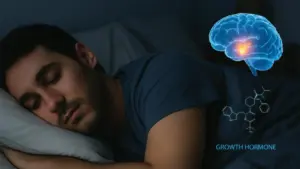
Researchers Uncover the Neural Circuitry Linking Deep Sleep to Growth Hormone Regulation

Tag: alzheimer

43 posts

Standard

Newer Blood Thinners May Slow Cognitive Decline in Patients with Alzheimer’s and Atrial Fibrillation

For millions of older adults, the dual diagnosis of atrial fibrillation—a common heart rhythm disorder—and Alzheimer’s disease represents a complex medical challenge. Managing the cardiovascular risks of a chaotic heartbeat while simultaneously navigating the progressive neurodegeneration of dementia requires a delicate balance of care. Now, new research conducted by the Karolinska Institutet and published in…


Read more
Standard

New Alzheimer’s Research Reveals How APOE4 Genetic Risk Alters Brain Function Early in Life

For millions of people worldwide, the APOE4 gene variant represents the most significant genetic risk factor for the development of Alzheimer’s disease. While the correlation between this gene and the eventual onset of dementia has been well-documented for decades, the precise mechanisms of how it initiates the long-term decline of cognitive health have remained shrouded…

Read more
Standard

Could Sleep Patterns Hold the Key to Predicting Alzheimer’s Years Before Symptoms Appear?

Could the secret to detecting Alzheimer’s disease lie not in complex cognitive tests or invasive procedures, but in the subtle, rhythmic patterns of our nightly slumber? Researchers at the University of Liège (ULiège), with the backing of the Stop Alzheimer’s Foundation, are currently exploring this provocative question. Their latest work suggests that the sleeping brain…

Read more