








BREAKING NEWS
Applied Behavior Analysis Beyond the Foghorn: Researchers Uncover a Precise Neural Network in the Brainstem 6 hours ago Child Development FDA Clears Personalized Brain Stimulation Therapy for PTSD, Offering New Hope for Millions 6 hours ago Special Education Democratic Senators Push for Stricter Accountability for Medicaid Tech Contractors 6 hours ago Speech and Language Therapy Speech and Language Kids Announces Expansion of Structured Curriculum to Transform SLP Workflows 6 hours ago Mental Health and Psychology The Silent Killer of Intimacy: How the Mental Load Erodes Sexual Desire 6 hours ago Pediatric Healthcare WHO Defends Record and Expresses Regret Following U.S. Notification of Withdrawal 6 hours ago Early Intervention President’s Fiscal Year 2025 Budget Is a Win for Babies, Says ZERO TO THREE 6 hours ago Assistive Technology England Ends Peak-Time Restrictions for Disabled Bus Pass Holders in Major National Transit Overhaul 6 hours ago Applied Behavior Analysis Beyond the Foghorn: Researchers Uncover a Precise Neural Network in the Brainstem 6 hours ago Child Development FDA Clears Personalized Brain Stimulation Therapy for PTSD, Offering New Hope for Millions 6 hours ago Special Education Democratic Senators Push for Stricter Accountability for Medicaid Tech Contractors 6 hours ago Speech and Language Therapy Speech and Language Kids Announces Expansion of Structured Curriculum to Transform SLP Workflows 6 hours ago Mental Health and Psychology The Silent Killer of Intimacy: How the Mental Load Erodes Sexual Desire 6 hours ago Pediatric Healthcare WHO Defends Record and Expresses Regret Following U.S. Notification of Withdrawal 6 hours ago Early Intervention President’s Fiscal Year 2025 Budget Is a Win for Babies, Says ZERO TO THREE 6 hours ago Assistive Technology England Ends Peak-Time Restrictions for Disabled Bus Pass Holders in Major National Transit Overhaul 6 hours ago
Stories
Beyond the Foghorn: Researchers Uncover a Precise Neural Network in the Brainstem
FDA Clears Personalized Brain Stimulation Therapy for PTSD, Offering New Hope for Millions
Democratic Senators Push for Stricter Accountability for Medicaid Tech Contractors
Speech and Language Kids Announces Expansion of Structured Curriculum to Transform SLP Workflows
The Silent Killer of Intimacy: How the Mental Load Erodes Sexual Desire
WHO Defends Record and Expresses Regret Following U.S. Notification of Withdrawal
President’s Fiscal Year 2025 Budget Is a Win for Babies, Says ZERO TO THREE
England Ends Peak-Time Restrictions for Disabled Bus Pass Holders in Major National Transit Overhaul
Seasonal Occupational Therapy Programs Roll Out Fall-Themed Fine Motor Initiatives for Children
One in Five U.S. Children Now Diagnosed with Autism and Developmental Disabilities, CDC Study Finds

Tag: alzheimer

30 posts

Standard

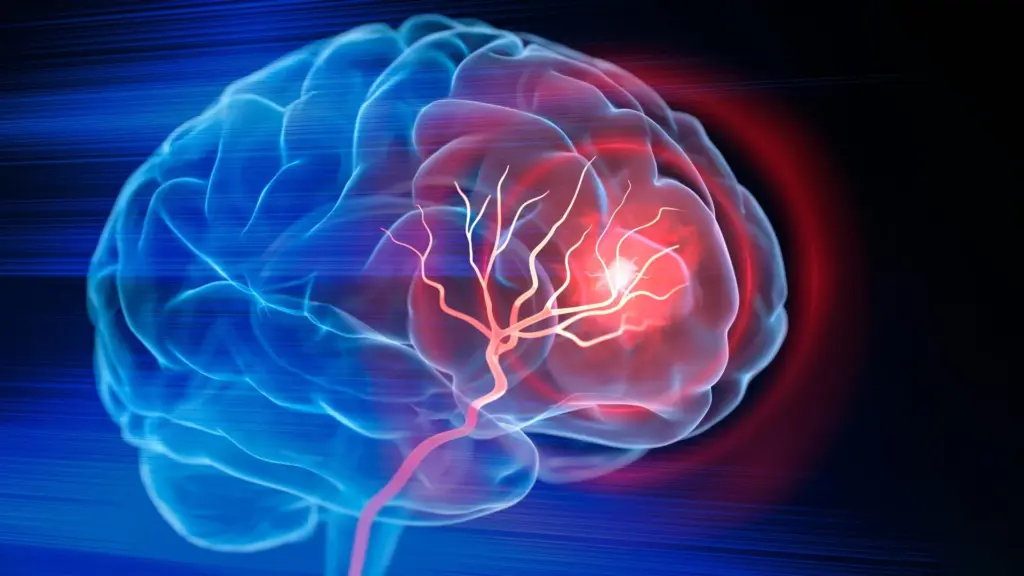
Mount Sinai Researchers Unveil New Mechanisms Linking APOE4 to Alzheimer’s and Vascular Damage

In a significant stride toward understanding the biological underpinnings of Alzheimer’s disease, researchers at Mount Sinai have uncovered critical new evidence regarding how APOE4—the most potent genetic risk factor for the condition—triggers progressive brain damage. Two landmark studies, published concurrently in the journals Cell and Cell Stem Cell, provide a transformative look at how this…

Read more
Standard

New Pathway Outside the Brain Found to Drive Alzheimer’s-Related Neurodegeneration

For decades, the scientific community’s understanding of Alzheimer’s disease and related tauopathies has been dominated by the study of what happens inside the brain. Researchers have spent years examining the buildup of toxic tau proteins and amyloid plaques, viewing the brain as an isolated environment where these pathologies wreak havoc. However, a groundbreaking study published…

Read more
Standard

Mount Sinai Researchers Uncover How APOE4 Drives Alzheimer’s via Vascular Damage and Protein Accumulation

In a significant breakthrough for neurodegenerative research, scientists at the Icahn School of Medicine at Mount Sinai have unveiled critical new insights into how APOE4—the most potent genetic risk factor for Alzheimer’s disease—actively contributes to brain damage. Through two high-impact studies published in the journals Cell and Cell Stem Cell, researchers have demonstrated that this…

Read more
Standard

Novel Blood Thinners Linked to Slower Cognitive Decline in Alzheimer’s Patients with Atrial Fibrillation

For millions of older adults, the dual burden of cardiovascular health and neurodegenerative disease represents one of the most significant clinical challenges in modern geriatric medicine. Atrial fibrillation—a common heart rhythm disorder characterized by irregular and often rapid heartbeats—frequently coexists with Alzheimer’s disease, the most prevalent form of dementia. While clinicians have long relied on…

Read more
Standard

Breakthrough Study Reveals How APOE4 Genetic Variant Fuels Early-Stage Alzheimer’s Development

For millions of people worldwide, the APOE4 gene variant represents a significant shadow hanging over their long-term cognitive health. As the strongest known genetic risk factor for Alzheimer’s disease, APOE4 has long been a primary focus of neurological research. However, the exact mechanisms by which this genetic signature orchestrates the decline of brain function—and specifically,…

Read more
Standard

New Research Links Alzheimer’s Brain Damage to Immune Pathways Outside the Central Nervous System

For decades, the prevailing consensus in neurology was that the devastating neurodegeneration seen in Alzheimer’s disease and related conditions was primarily an internal affair—a localized war occurring behind the formidable barricades of the blood-brain barrier. Scientists focused their efforts on the internal buildup of toxic proteins, such as amyloid plaques and tau tangles, viewing the…

Read more
Standard

Could Subtle Sleep Disruptions Serve as an Early Warning Sign for Alzheimer’s Disease?

Could the secret to detecting Alzheimer’s disease lie not in the complex diagnostic tests of a neurologist’s office, but in the quiet, often overlooked patterns of our nightly slumber? Researchers at the University of Liège (ULiège), with the vital support of the Stop Alzheimer’s Foundation, are currently exploring a compelling hypothesis: that subtle, seemingly innocuous…

Read more
Standard

Newer Blood Thinners May Slow Cognitive Decline in Patients with Alzheimer’s and Atrial Fibrillation

For millions of older adults, the dual diagnosis of atrial fibrillation—a common heart rhythm disorder—and Alzheimer’s disease represents a complex medical challenge. Managing the cardiovascular risks of a chaotic heartbeat while simultaneously navigating the progressive neurodegeneration of dementia requires a delicate balance of care. Now, new research conducted by the Karolinska Institutet and published in…

Read more
Standard

New Alzheimer’s Research Reveals How APOE4 Genetic Risk Alters Brain Function Early in Life

For millions of people worldwide, the APOE4 gene variant represents the most significant genetic risk factor for the development of Alzheimer’s disease. While the correlation between this gene and the eventual onset of dementia has been well-documented for decades, the precise mechanisms of how it initiates the long-term decline of cognitive health have remained shrouded…

Read more
Standard

Could Sleep Patterns Hold the Key to Predicting Alzheimer’s Years Before Symptoms Appear?

Could the secret to detecting Alzheimer’s disease lie not in complex cognitive tests or invasive procedures, but in the subtle, rhythmic patterns of our nightly slumber? Researchers at the University of Liège (ULiège), with the backing of the Stop Alzheimer’s Foundation, are currently exploring this provocative question. Their latest work suggests that the sleeping brain…

Read more