





BREAKING NEWS
Applied Behavior Analysis New Research Suggests the Brain’s Survival Mechanism May Blur the Lines Between Safety and Danger 7 hours ago Child Development New Research Debunks Myths About Reading Struggles, Pointing to Auditory and Knowledge-Based Skills 7 hours ago Occupational Therapy Global Community Prepares to Honor World Occupational Therapy Day 2026 7 hours ago Speech and Language Therapy Speech and Language Kids Announces Expansion of Structured Curriculum to Transform SLP Workflow 7 hours ago Mental Health and Psychology The Paradox of Affection: Questioning the Cultural Normalization of Dog Ownership 7 hours ago Pediatric Healthcare The Dual Challenge: Navigating the Pandemic and the Global Infodemic 7 hours ago Assistive Technology Higher Education Faces a Pivotal Choice as AI Threatens to Codify Exclusion for Students with Disabilities 7 hours ago Sensory Processing Empowering Children Through Emotional Regulation: The Impact of "Size of the Problem" Strategies 7 hours ago Applied Behavior Analysis New Research Suggests the Brain’s Survival Mechanism May Blur the Lines Between Safety and Danger 7 hours ago Child Development New Research Debunks Myths About Reading Struggles, Pointing to Auditory and Knowledge-Based Skills 7 hours ago Occupational Therapy Global Community Prepares to Honor World Occupational Therapy Day 2026 7 hours ago Speech and Language Therapy Speech and Language Kids Announces Expansion of Structured Curriculum to Transform SLP Workflow 7 hours ago Mental Health and Psychology The Paradox of Affection: Questioning the Cultural Normalization of Dog Ownership 7 hours ago Pediatric Healthcare The Dual Challenge: Navigating the Pandemic and the Global Infodemic 7 hours ago Assistive Technology Higher Education Faces a Pivotal Choice as AI Threatens to Codify Exclusion for Students with Disabilities 7 hours ago Sensory Processing Empowering Children Through Emotional Regulation: The Impact of "Size of the Problem" Strategies 7 hours ago
Stories
New Research Suggests the Brain’s Survival Mechanism May Blur the Lines Between Safety and Danger
New Research Debunks Myths About Reading Struggles, Pointing to Auditory and Knowledge-Based Skills
Global Community Prepares to Honor World Occupational Therapy Day 2026
Speech and Language Kids Announces Expansion of Structured Curriculum to Transform SLP Workflow
The Paradox of Affection: Questioning the Cultural Normalization of Dog Ownership
The Dual Challenge: Navigating the Pandemic and the Global Infodemic
Higher Education Faces a Pivotal Choice as AI Threatens to Codify Exclusion for Students with Disabilities
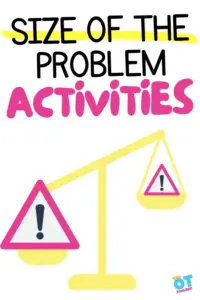
Empowering Children Through Emotional Regulation: The Impact of "Size of the Problem" Strategies
New Comprehensive Voting Guide Empowers Voters with Disabilities Ahead of Midterm Elections
Finding Your Voice Through Resistance: How Intentional Living Navigates Uncertainty, Grief, and Growth

Tag: self

21 posts

Standard

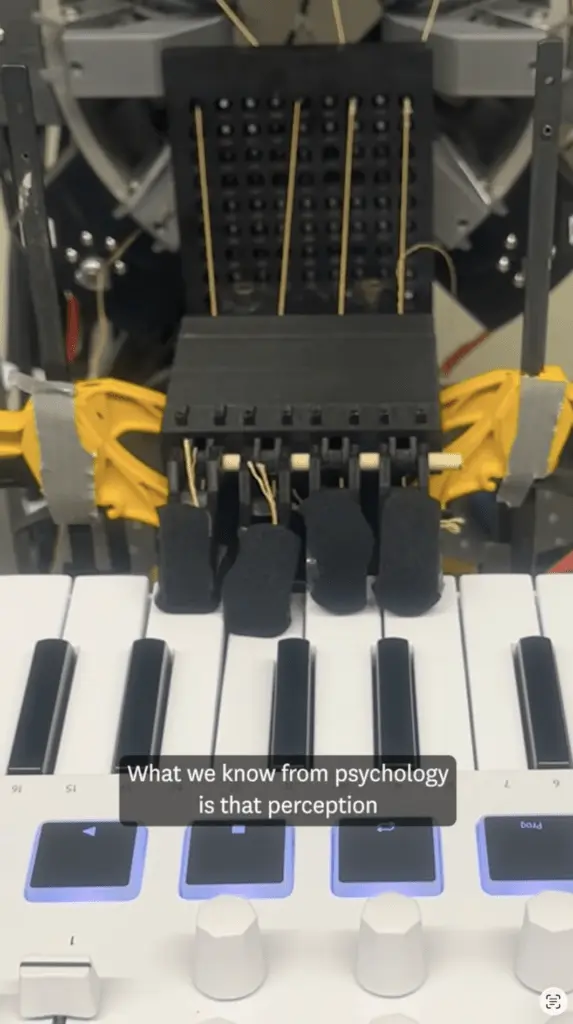
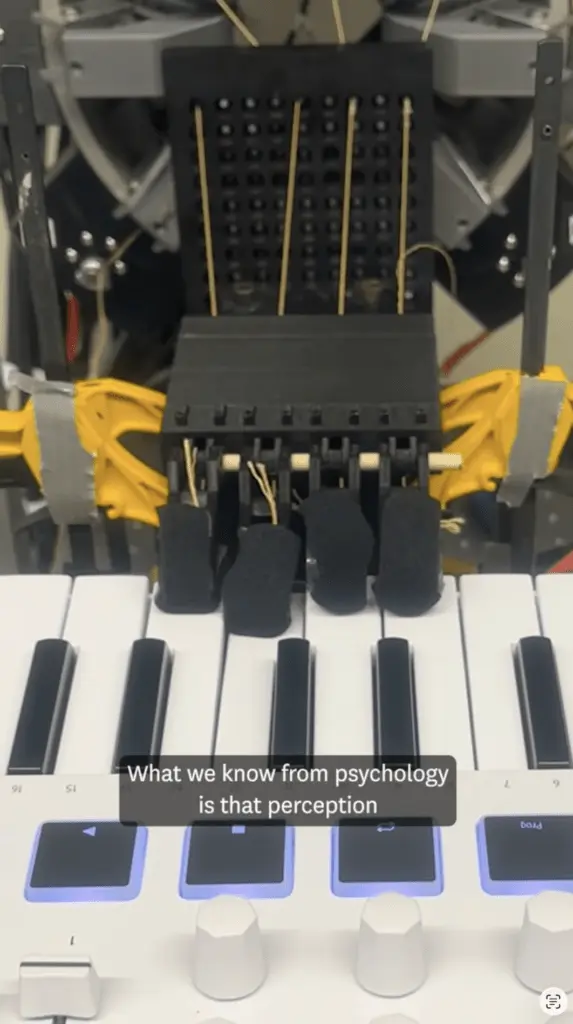
Self-Taught Robotic "Musician Hand" Breaks Boundaries in Assistive Technology

When we think of modern robotics, we typically picture rigid, heavy-duty machines operating within the strictly controlled confines of a factory floor. These conventional systems require exhaustive, painstaking programming, massive datasets compiled over years, and meticulously maintained environments to function properly. If even a single variable is shifted slightly out of place, the machine often…


Read more
Standard

The Lasting Impact of Parental Words: How Criticism and Praise Shape Child Development and Self-Esteem

It should come as little surprise to developmental psychologists, educators, and parents alike that constant criticism can deeply undermine a child’s sense of self-worth. In the delicate ecosystem of family life, parents may not always realize just how powerful their daily words are in shaping a growing child’s identity and psychological foundation. When caregivers establish…

Read more
Standard

The Vanishing Self: Robert Kolker Explores the Heartbreak and Mystery of Frontotemporal Dementia

Imagine a genetic inheritance that functions like a ticking clock, one that promises a 50-50 chance of fundamentally erasing the person you are. In your 40s, the transformation begins. It starts subtly, perhaps with a shift in temperament or a lapse in social judgment. You might begin to lose your inhibitions, uttering things that are…

Read more
Standard

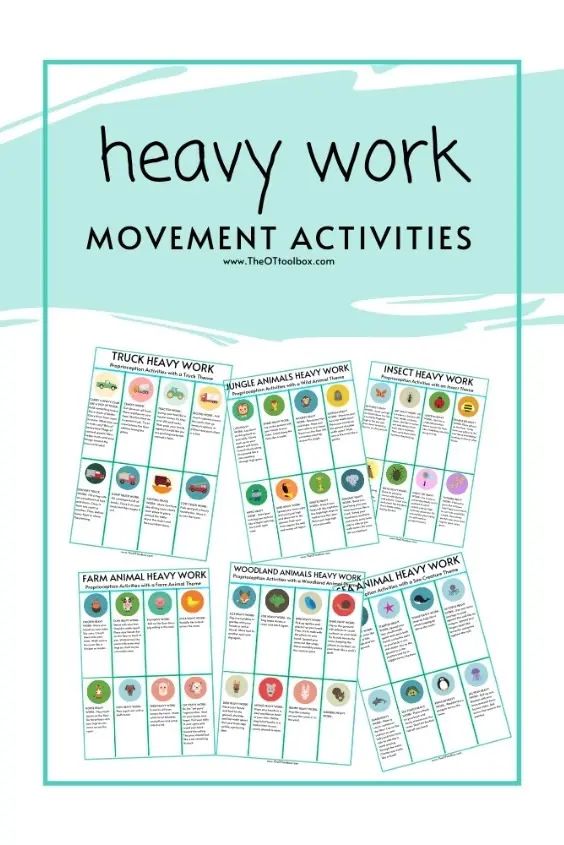
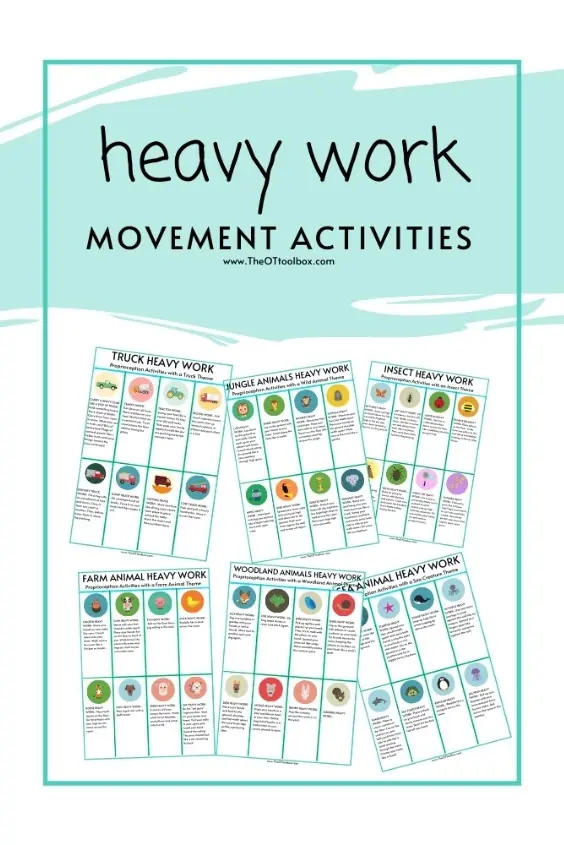
Understanding the Vital Role of Heavy Work in Child Development and Self-Regulation

In an ideal world, children would maintain a steady state of readiness for learning, transitions, and daily participation at all times. Meltdowns in public spaces, classroom disruptions, and sudden behavioral dysregulation would be entirely absent, allowing children and caregivers alike to navigate their days with seamless calm. In reality, however, anyone spending time with children…

Read more
Standard

The Dual Self: Navigating the Divide Between Fantasy and Reality

Hannah can describe her favorite fantasy with vivid, unflinching precision. She imagines a scenario involving several older men, each taking turns with her in a scene defined by its rough, transgressive nature—a moment intentionally stripped of any domestic softness or tenderness. It is a powerful, jarring image, one that occupies a clear, recurring space in…

Read more
Standard

Understanding Heavy Work: How Proprioceptive Input Supports Child Development, Attention, and Self-Regulation

In an ideal world, children would maintain constant focus, breeze through everyday tasks with ease, and navigate transitions without emotional outbursts or temper tantrums. Every parent, educator, and therapist knows, however, that reality looks quite different. Children frequently experience moments of dysregulation, finding themselves temporarily out of sync as they navigate the complex demands of…

Read more
Standard

How appeasing others can erode self-respect and personal boundaries.

As the digital narrator began detailing the psychological mechanics of the people-pleasing trauma response, the road trip shifted course. Over the next several hundred miles, the narrative was punctuated by frequent pauses, nods of recognition, and candid discussions about how each partner individually exhibits fawning behavior in their daily lives. For the author, who is…

Read more
Standard

From "Motor Babbling" to Beethoven: How a Self-Taught Robotic Hand Is Redefining the Future of Assistive Technology

When people visualize industrial robotics, the image that typically comes to mind is one of rigid, heavy-metal machinery confined to strictly controlled factory floors. These traditional systems demand exhaustive, painstaking programming, massive clusters of training data, and hyper-regulated environments in order to function properly. If a single variable shifts—if a component is misplaced by even…

Read more
Standard

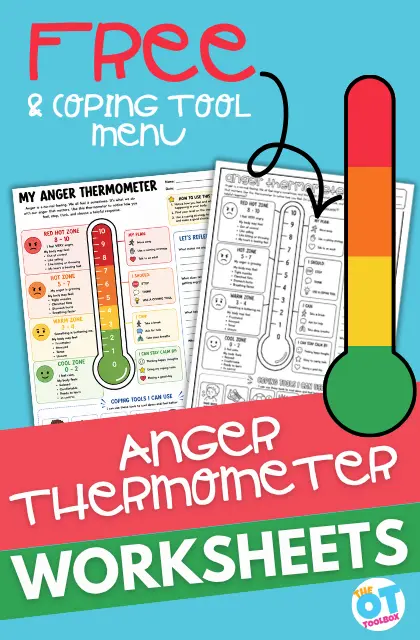
New Occupational Therapy Printable Tool Aims to Help Children and Adults Master Emotional Regulation and Self-Awareness

A new therapeutic resource is rolling out across clinical and educational settings to help individuals better manage emotional intensity, with a primary focus on anger and frustration. Developed as part of a free printable series by The OT Toolbox, the newly introduced "Anger Thermometer" is designed to support occupational therapy interventions by bridging the gap…

Read more
Standard

Beyond "I" Statements: Why True Intimacy Requires Deeper Self-Awareness

After four decades of working as a psychotherapist, I have participated in my fair share of communication skills training seminars and workshops, learning a great deal from the various frameworks introduced over the years. Yet, through decades of clinical practice, I have repeatedly noticed a vital element that is frequently missing from standard communication toolkits.…

Read more