





BREAKING NEWS
Applied Behavior Analysis Psychedelic Insight: Psilocybin Found to Selectively Mute Aggression in Mangrove Rivulus Fish 1 hour ago Child Development Youth-Associated Protein TIMP2 Found to Rejuvenate Aging Brain Immune Cells 1 hour ago Occupational Therapy The Silent Architects of Quality: Why Occupational Therapy is the Healthcare Team’s Ultimate Difference Maker 1 hour ago Speech and Language Therapy Speech and Language Kids Announces Expansion of Structured Curriculum to Transform SLP Workflows 1 hour ago Early Intervention Understanding Toddler Tantrums: Why Meltdowns Are a Crucial Part of Early Development 1 hour ago Assistive Technology Digital Inclusion Shift: Public Institutions Prepare for the 2026 ADA Title II Compliance Deadline 1 hour ago Sensory Processing Occupational Therapists Highlight Top Vision Books and Resources to Support Visual Processing and Academic Skills 1 hour ago Neurodiversity Rewriting the Autistic Relationship Manual: Cultural Metamorphosis and Ecologies of Care at Human Scale 1 hour ago Applied Behavior Analysis Psychedelic Insight: Psilocybin Found to Selectively Mute Aggression in Mangrove Rivulus Fish 1 hour ago Child Development Youth-Associated Protein TIMP2 Found to Rejuvenate Aging Brain Immune Cells 1 hour ago Occupational Therapy The Silent Architects of Quality: Why Occupational Therapy is the Healthcare Team’s Ultimate Difference Maker 1 hour ago Speech and Language Therapy Speech and Language Kids Announces Expansion of Structured Curriculum to Transform SLP Workflows 1 hour ago Early Intervention Understanding Toddler Tantrums: Why Meltdowns Are a Crucial Part of Early Development 1 hour ago Assistive Technology Digital Inclusion Shift: Public Institutions Prepare for the 2026 ADA Title II Compliance Deadline 1 hour ago Sensory Processing Occupational Therapists Highlight Top Vision Books and Resources to Support Visual Processing and Academic Skills 1 hour ago Neurodiversity Rewriting the Autistic Relationship Manual: Cultural Metamorphosis and Ecologies of Care at Human Scale 1 hour ago
Stories
Psychedelic Insight: Psilocybin Found to Selectively Mute Aggression in Mangrove Rivulus Fish
Youth-Associated Protein TIMP2 Found to Rejuvenate Aging Brain Immune Cells
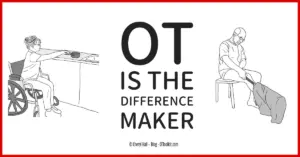
The Silent Architects of Quality: Why Occupational Therapy is the Healthcare Team’s Ultimate Difference Maker
Speech and Language Kids Announces Expansion of Structured Curriculum to Transform SLP Workflows
Understanding Toddler Tantrums: Why Meltdowns Are a Crucial Part of Early Development
Digital Inclusion Shift: Public Institutions Prepare for the 2026 ADA Title II Compliance Deadline
Occupational Therapists Highlight Top Vision Books and Resources to Support Visual Processing and Academic Skills
Rewriting the Autistic Relationship Manual: Cultural Metamorphosis and Ecologies of Care at Human Scale
The Aftermath of Cumulative Loss: Navigating Grief, Busyness, and the Duality of Survival
WHO and Switzerland Cement Long-Term Partnership with Renewal of Country Cooperation Strategy for 2024–2028

Tag: taught

3 posts

Standard

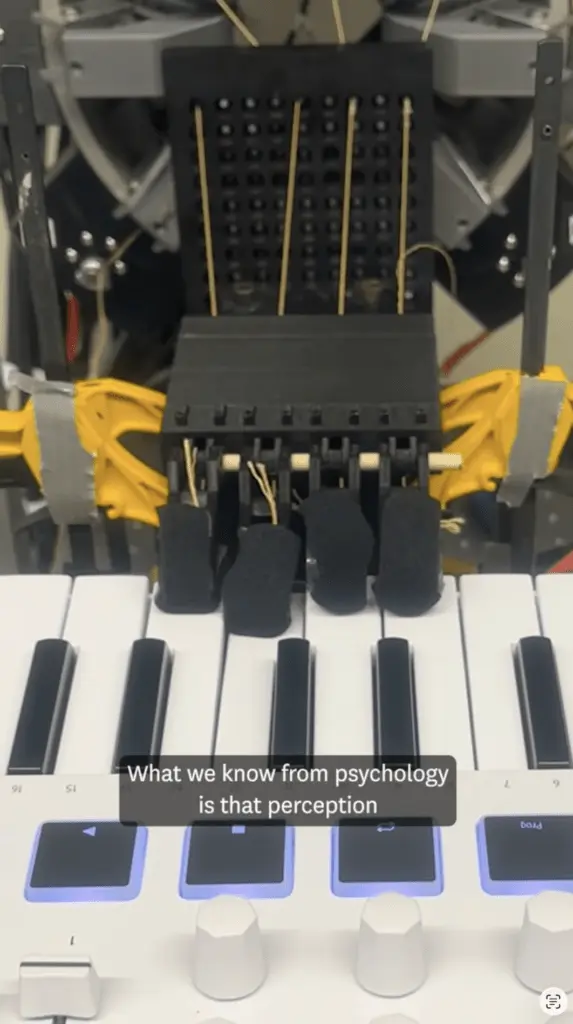
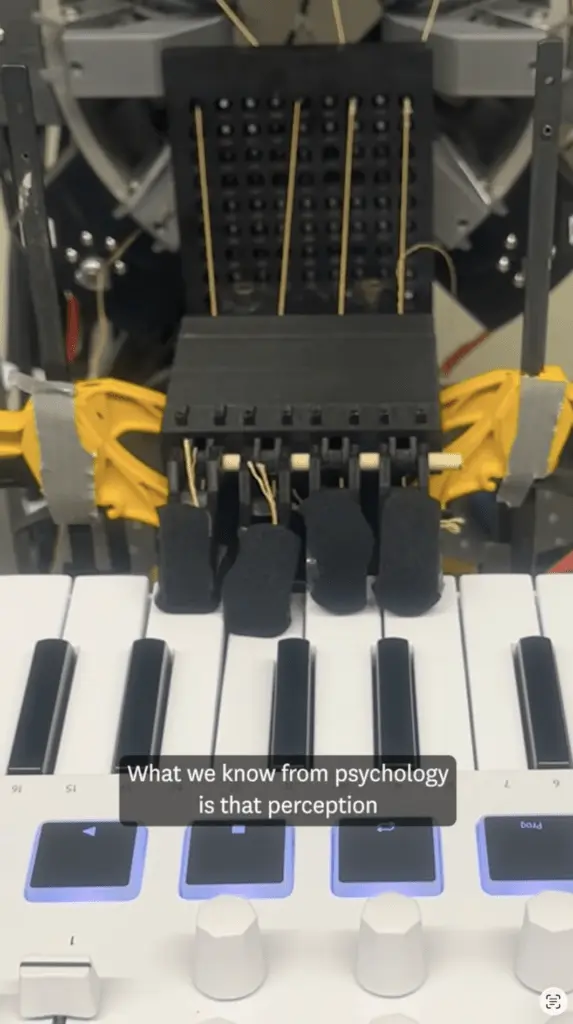
The Self-Taught Piano-Playing Robot That Could Transform the Future of Assistive Technology

When people picture modern robotics, the image that typically comes to mind is one of rigid, highly specialized machines operating on a tightly controlled factory floor. These traditional systems require exhaustive programming, massive datasets, and meticulously managed environments to execute even the simplest tasks. If a single variable shifts or an object is slightly out…
Read more
Standard

Self-Taught Robotic "Musician Hand" Breaks Boundaries in Assistive Technology

When we think of modern robotics, we typically picture rigid, heavy-duty machines operating within the strictly controlled confines of a factory floor. These conventional systems require exhaustive, painstaking programming, massive datasets compiled over years, and meticulously maintained environments to function properly. If even a single variable is shifted slightly out of place, the machine often…

Read more
Standard

From "Motor Babbling" to Beethoven: How a Self-Taught Robotic Hand Is Redefining the Future of Assistive Technology

When people visualize industrial robotics, the image that typically comes to mind is one of rigid, heavy-metal machinery confined to strictly controlled factory floors. These traditional systems demand exhaustive, painstaking programming, massive clusters of training data, and hyper-regulated environments in order to function properly. If a single variable shifts—if a component is misplaced by even…

Read more