











For many speech-language pathologists (SLPs) and educators, the challenge of helping children navigate stuttering, cluttering, and word-finding difficulties is a complex, ongoing process. Effective therapy requires more than just exercises; it demands a comprehensive, research-backed framework that can adapt to the unique developmental stages of a child. Addressing this professional need, a new suite of fluency curriculums has been launched, designed to provide a clear, organized roadmap for clinicians working with children and teens who struggle with communication disfluencies.
The newly released materials offer a structured approach to speech therapy, moving away from fragmented, trial-and-error methods toward a cohesive, level-based strategy. By providing clinicians with ready-to-use, practical, and real-world strategies, these programs aim to foster greater comfort, confidence, and control for students in diverse environments—whether they are navigating the pressures of a classroom, interacting with friends, or engaging in community activities.
Foundations for Fluency: A Holistic Approach
One of the cornerstones of this new release is the "Foundations for Fluency" curriculum. This program is specifically engineered to help children and teenagers build the essential building blocks for fluent speech. Unlike traditional approaches that may focus solely on speech patterns, this curriculum emphasizes the critical link between physical control and emotional regulation.

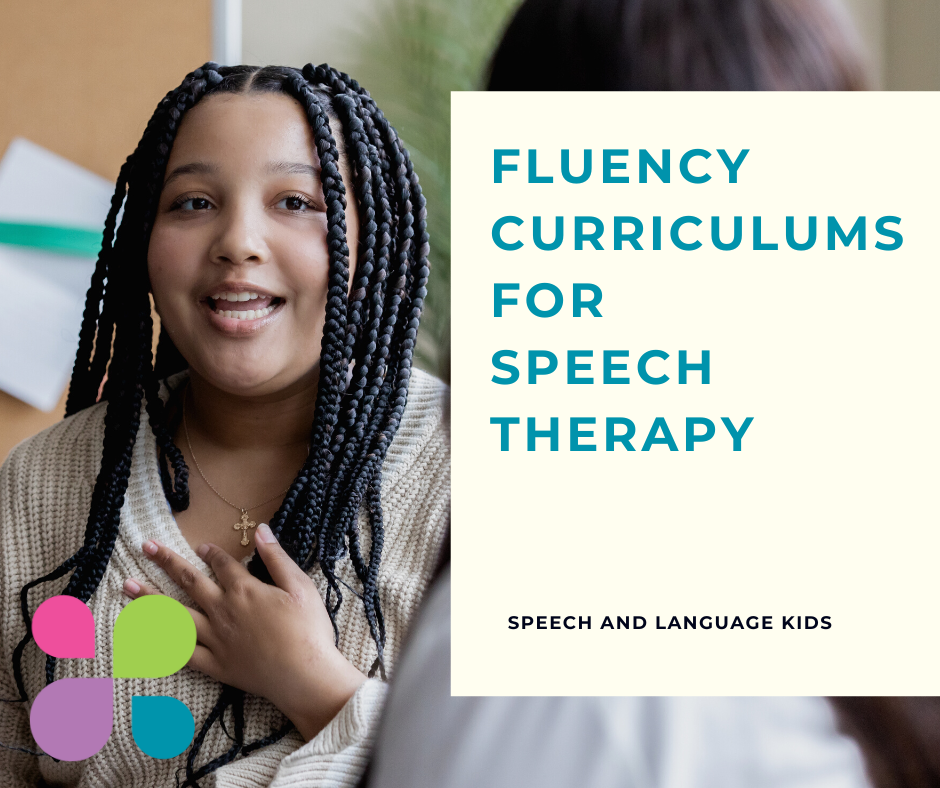
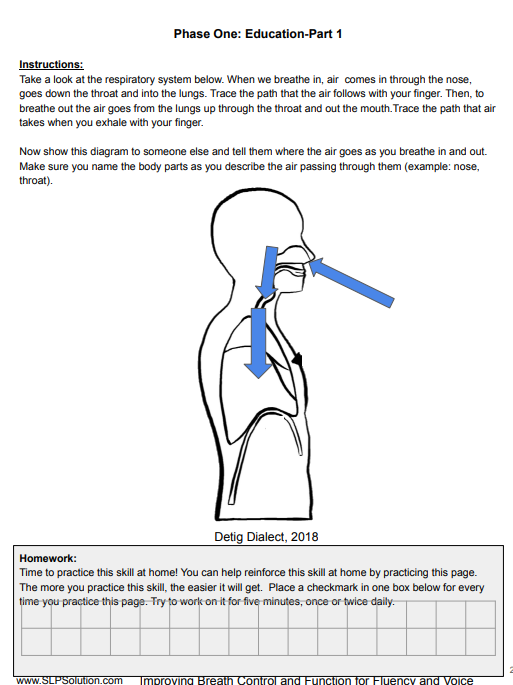
The program guides students in coordinating their breathing with their speech, which is a vital skill for managing disfluencies. Beyond the mechanics of speaking, it also fosters a deeper awareness of when and why disfluencies occur. Perhaps most significantly, it addresses the emotional component of stuttering, helping students manage their internal reactions with a focus on self-acceptance and confidence.
The curriculum is structured across three distinct levels, ensuring that therapy remains age-appropriate and developmentally sequenced. The "Beginner Level," aimed primarily at children aged five to eight, focuses on the basics of breath-speech coordination. As students transition into the "Intermediate Level"—typically for ages seven to ten—the curriculum shifts focus toward managing the emotional reactions that often accompany struggles with fluency. Finally, the "Advanced Level," designed for students aged ten to fifteen, emphasizes self-monitoring and the carryover of these strategies into everyday, real-world communication.
Targeted Solutions for Stuttering and Cluttering
In addition to foundational work, the release includes a dedicated "Stuttering Curriculum" and a "Cluttering Curriculum," both designed to eliminate the guesswork that often complicates clinical planning.

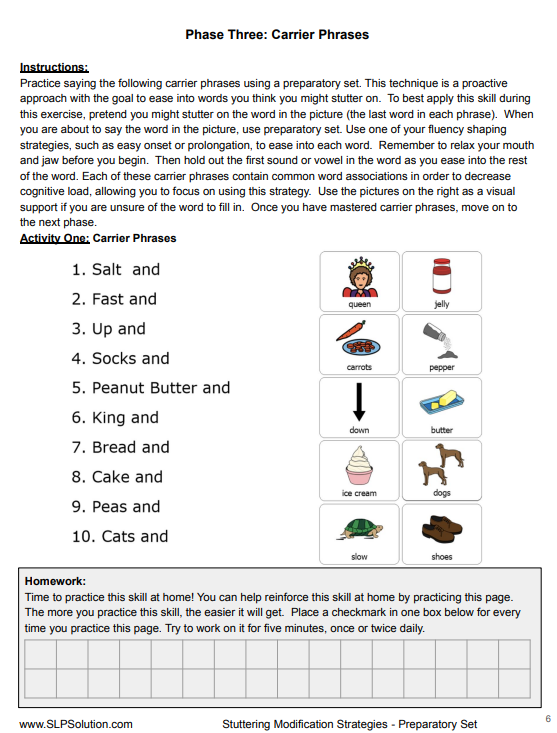
The Stuttering Curriculum acts as a comprehensive roadmap for clinicians. It addresses the needs of children across a wide age spectrum, starting with indirect therapy for young children aged two to six, moving into fluency-shaping techniques for those aged four to eight, and culminating in advanced stuttering modification techniques for students aged seven to ten and beyond. By providing a clear trajectory, these materials allow clinicians to spend less time on session planning and more time focusing on the individual needs of the child.
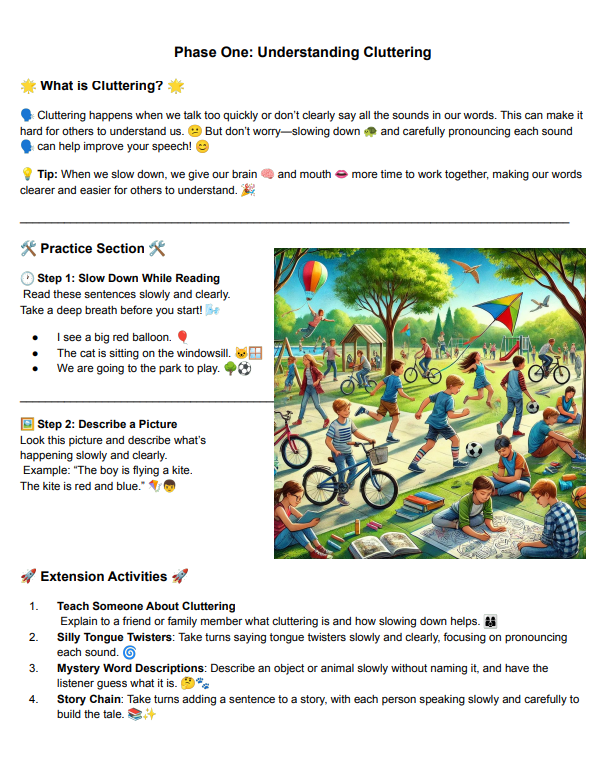
Similarly, the Cluttering Curriculum provides a systematic, step-by-step approach for students whose speech may be characterized by an irregular rate or lack of organization. By breaking the therapy into three levels—starting with strategies for slower, clearer speech, moving to increased mastery of these techniques, and finishing with the correction of intelligibility issues in spontaneous conversation—the program ensures that children can develop the tools necessary for effective communication.
Addressing Word Retrieval Challenges
Beyond fluency and cluttering, the suite of resources also includes a specific curriculum focused on word finding and retrieval. Difficulty with word retrieval can be a significant source of frustration for students, impacting both their academic performance and their social confidence.
This curriculum utilizes semantic and phonological strategies to help children strengthen their ability to access vocabulary. By starting with basic semantic strategies at the beginner level, moving to phonological approaches at the intermediate stage, and concluding with advanced conversational strategies, the program aims to improve the speed and accuracy of communication. This systematic approach is designed to help students feel more capable and self-assured when expressing their thoughts in real-time.
Streamlining the Clinical Process
The overarching goal of these resources is to support clinicians in managing the diverse and often overwhelming caseloads they face. The developers emphasize that while every child’s communication journey is inherently unique, professionals should not have to "reinvent the wheel" for every new case.
By providing a structured environment where every step of the therapy process is mapped out—from the initial session to the mastery of skills—these curriculums are intended to serve as a comprehensive toolkit. For the practicing SLP, this means having access to materials that cover major areas of communication, reducing the administrative burden of therapy planning and allowing for a greater focus on the therapeutic relationship.
The impact of this approach is centered on the belief that when clinicians have a clear, evidence-based plan, children make faster and more meaningful progress. When a child begins to communicate with increased clarity and confidence, the benefits ripple outward, affecting their academic success, social interactions, and overall self-esteem.
A Resource for the Modern Speech-Language Pathologist
The release of these materials comes at a time when the demand for organized, accessible, and high-quality speech therapy resources is higher than ever. These curriculums are designed to be flexible, acknowledging that while age ranges are provided as guidelines for skill mastery, the programs are highly adaptable for older children and teens who may still be working through these developmental hurdles.
With features like instant access and the ability for clinicians to trial the materials without long-term commitments, the platform is positioned as a responsive solution for those working in school settings, private practices, and clinical environments. As the field of speech-language pathology continues to evolve, the shift toward providing modular, curriculum-based support represents a significant step forward in ensuring that children who stutter or have other disfluencies receive the consistent, high-quality care they need to thrive.
The developers have also integrated supplementary content, such as podcasts and video demonstrations, to further support clinicians in understanding the methodology behind the curriculums. By combining practical materials with ongoing professional development, the initiative seeks to foster a community of practice where clinicians feel supported, empowered, and equipped to handle the complexities of fluency and communication disorders. Whether working with a preschooler just beginning their speech journey or an adolescent navigating the social complexities of high school, these structured plans offer a path forward, rooted in the goal of helping every child speak freely and feel fully understood.