







In the rapidly evolving field of pediatric speech-language pathology, the challenge of fostering genuine social connection has long been a focal point for educators, therapists, and families alike. A new initiative from Speech and Language Kids (SLK) seeks to address this by introducing a series of comprehensive, evidence-based curriculums designed to provide a structured pathway for teaching social communication. By moving away from fragmented approaches and toward a cohesive, developmental framework, these resources aim to help children and teens bridge the gap between basic interaction skills and complex, meaningful relationship-building.
The core philosophy behind these new offerings is rooted in a neurodiversity-affirming approach. Rather than focusing on changing a child’s fundamental nature, the curriculums prioritize the development of authentic communication, allowing young people to navigate their social worlds with clarity, confidence, and purpose. Each program is meticulously designed to foster real-world improvements, ensuring that the skills learned in a clinical or classroom setting translate effectively into everyday conversations and social interactions.
A Comprehensive Approach to Social Awareness
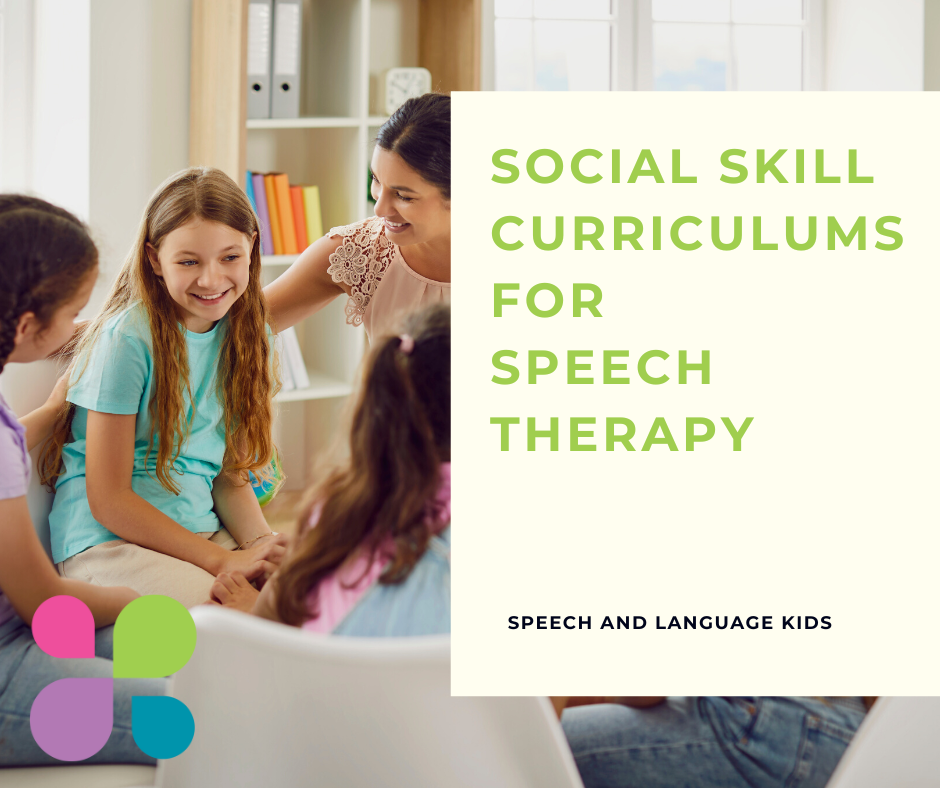
The flagship offering, the Social Awareness and Interactions Curriculum, is structured to support growth across a broad spectrum of developmental milestones. It begins at the foundational level, addressing early interaction skills such as responding to others and developing joint attention. As children progress, the curriculum scales up to address more sophisticated abilities, including perspective-taking and a deeper grasp of social understanding. By breaking the process into three distinct levels—beginner, intermediate, and advanced—the program ensures that learners receive support tailored to their specific stage of development.

While the curriculum offers suggested age ranges for mastery, it is designed with the flexibility to accommodate older children and teens who may still be refining these essential skills. This developmental layering is a hallmark of the new approach, recognizing that the journey toward social competence is not linear and often requires sustained, purposeful practice across various life stages.

Supporting Emotional Regulation and Self-Advocacy
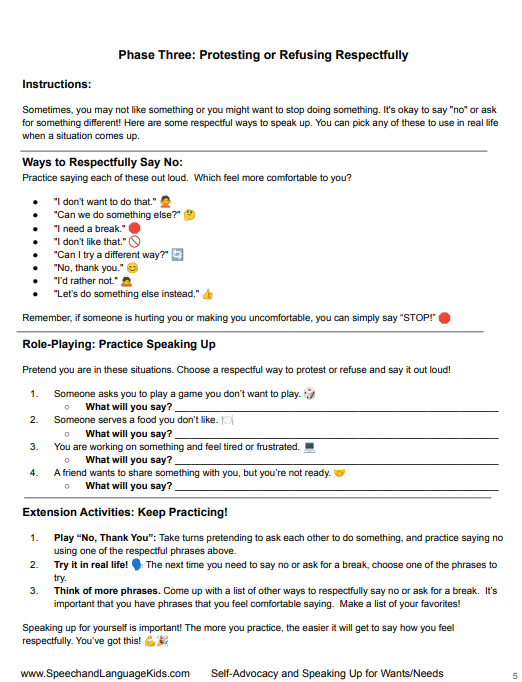
Recognizing that effective communication is inextricably linked to internal regulation, the SLK initiative also introduces a specialized curriculum for emotional regulation and self-advocacy. For many children, challenging behaviors are often a byproduct of unmet communication needs. This curriculum addresses this reality by teaching students how to replace reactive behaviors with functional communication.
For younger children, the initial focus is on foundational communication strategies that provide an alternative to frustration-driven behaviors. As the child matures, the program shifts toward helping them identify their emotional states, master self-calming techniques, and eventually develop proactive coping strategies. The final stage of this curriculum emphasizes self-advocacy—the ability to articulate one’s needs, boundaries, and preferences in diverse social environments. This empowerment-focused framework is particularly significant for neurodivergent youth, as it provides them with the tools to navigate social environments on their own terms, fostering a sense of agency and reducing the stress often associated with social communication demands.
Simplifying Conversational Mastery
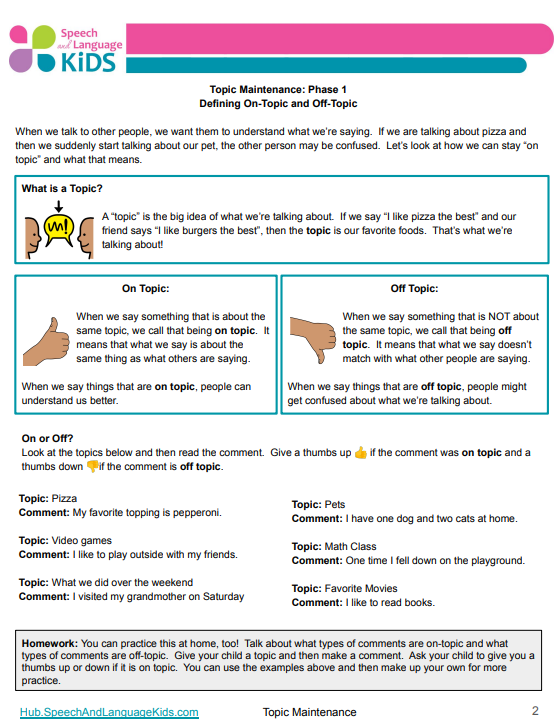
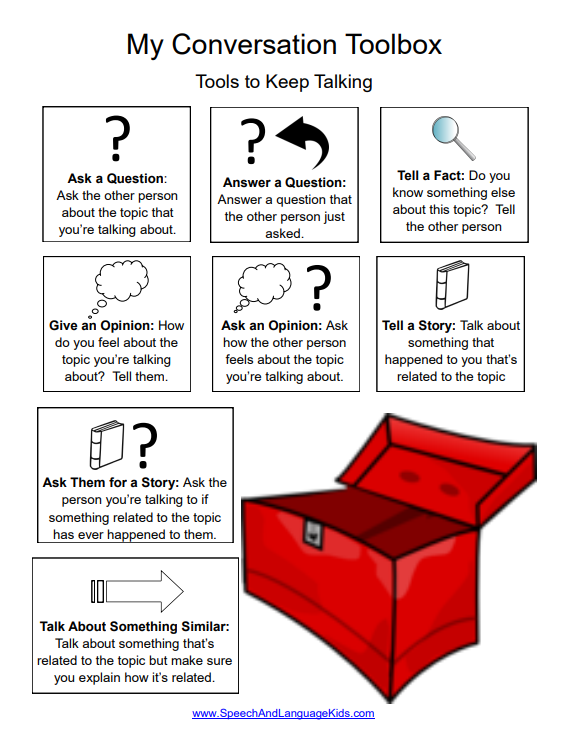
Conversational skills are frequently cited as a primary area of difficulty for children receiving speech therapy. To mitigate this, the Conversational Skills Curriculum provides a systematic, ready-to-use framework that removes the guesswork from therapy planning. By providing practitioners with pre-made materials and a clear roadmap, the curriculum helps students build the confidence necessary to initiate, maintain, and navigate complex conversations.
The structure of this program follows a logical progression, starting with the basics of initiating and responding. It then moves into the nuances of topic management, which is often a significant hurdle for many learners. The advanced level focuses on the intricate dance of social dialogue, including navigating disagreements, managing interruptions, and understanding the subtleties of back-and-forth interaction. By standardizing these lessons, the curriculum allows therapists to spend less time on administrative planning and more time engaging directly with their students, ultimately leading to faster and more consistent progress.
Addressing Abstract Language and Selective Mutism
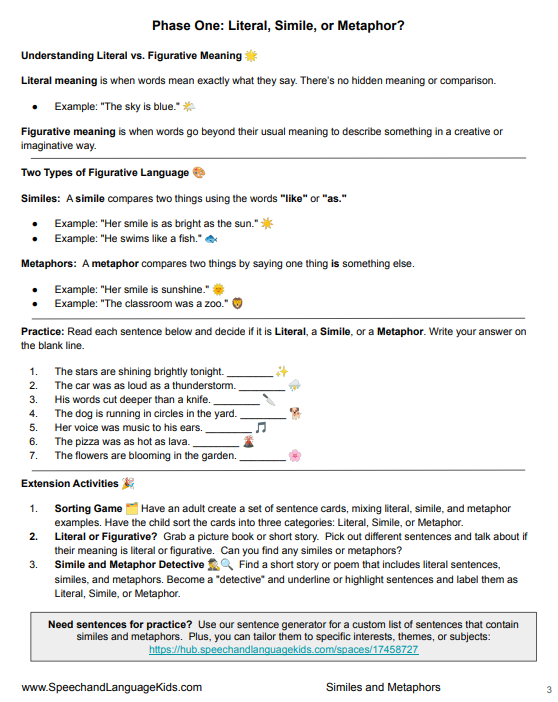
Beyond foundational and conversational skills, the initiative addresses the more abstract aspects of language that are vital for true social nuance. The Abstract Language Curriculum is designed to help students bridge the gap between literal and figurative meaning. Through a structured, low-prep approach, children learn to interpret humor, sarcasm, metaphors, and other linguistic nuances. This is essential for students who struggle with the "unspoken" rules of communication, as it equips them to better understand the intent behind the words of their peers and adults.
Furthermore, the initiative includes a dedicated program for children experiencing selective mutism. This condition, which is often misunderstood as simple shyness, requires a nuanced, evidence-based approach to treatment. The Selective Mutism Curriculum provides therapists and school teams with a clear, supportive framework for creating environments where a child feels safe enough to communicate. The curriculum focuses on gradually increasing speech across various settings, starting with environmental modifications and moving toward the establishment of motivation and active participation in conversation. This specialized focus underscores the program’s commitment to supporting the most vulnerable learners through structured, compassionate intervention.
Easing the Burden on Practitioners
A recurring theme throughout the development of these curriculums is the need to support the professionals and caregivers who are tasked with delivering these interventions. The reality of therapy is that practitioners are often overwhelmed by the volume of planning required for each individual case. By providing a "done-for-you" resource, the SLK Curriculum aims to alleviate this administrative burden.
The creators of these programs emphasize that when a practitioner has a clear, evidence-based plan, the quality of care improves significantly. Each curriculum serves as a guide from the very first session through to mastery, ensuring that therapy remains focused and goal-oriented. This allows therapists to spend less time reinventing the wheel and more time focusing on the individual, unique needs of the child in front of them.
A Lasting Impact on Communication
The ultimate goal of this initiative is to move children and teens toward a place of independent, meaningful communication. When a child begins to express themselves clearly and confidently, the ripple effects are felt across all areas of their life—from their performance in school to their relationships with family and peers. By providing a structured, supportive, and developmentally appropriate pathway, these new curriculums offer a robust solution for those working to unlock the communication potential of the next generation.
As digital resources continue to play a larger role in modern education and clinical practice, the availability of these programs through an accessible, instant-access platform reflects a broader trend toward making high-quality therapeutic tools more readily available to those who need them most. Whether in a clinical setting, a school classroom, or at home, the emphasis remains on fostering connections that are not only effective but also authentic to the individual’s unique way of interacting with the world. Through these new, comprehensive resources, therapists and parents have a new set of tools to help ensure that every child has the opportunity to connect with others in a way that is both meaningful and lasting.