








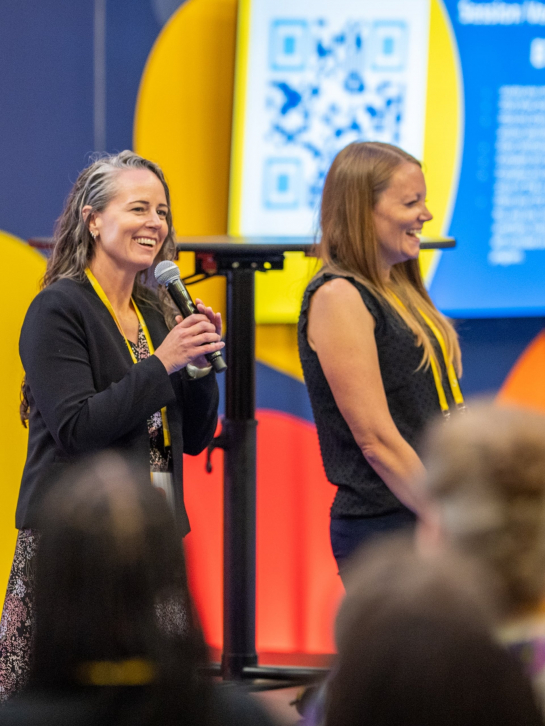
As professionals, policymakers, and families look ahead to the future of early childhood support, the upcoming LEARN Conference 2026 is stepping into the spotlight as a premier destination for those dedicated to advancing the lives of infants and toddlers. Set to take place in Portland, Oregon, on October 27, 2026, the conference aims to unite individuals who shape the foundational years of human development.

The core mission driving this year’s gathering is rooted in a profound biological reality: the first three years of life are the most critical period for lifelong mental health, emotional well-being, and cognitive growth. During this brief window from birth to age three, a child’s brain produces more than one million neural connections every second. Recognizing this immense potential and vulnerability, organizations and advocates are redoubling their efforts to support the families, professionals, and lawmakers who impact young children daily.
Advancing Early Childhood Development Together
The framework guiding these initiatives emphasizes that every child deserves a strong, healthy start in life. ZERO TO THREE, a leading national advocate in the field, continues to spearhead programs, professional development opportunities, and critical resources addressing the most pressing issues facing babies, toddlers, and their caregivers.
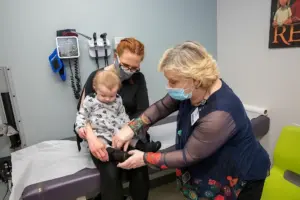

Understanding child development remains paramount in helping parents and caregivers guide babies toward fulfilling their potential. To achieve this, extensive community care resources, research-based parenting tools, and structured programs are made accessible to those on the front lines of child-rearing. Professionals across early learning, healthcare, mental health services, and family support systems rely on specialized training programs, conferences, and free webinars to deepen their expertise and refine practices that serve young children effectively.

Mental and emotional health during infancy and early childhood forms another cornerstone of these initiatives. Experts emphasize that babies and toddlers do experience mental health challenges driven by trauma, neglect, biological factors, or difficult environmental situations. By providing concrete guidelines, awareness campaigns, and training for both families and professionals, advocates strive to nurture emotional well-being and ensure that early experiences foster resilience rather than lasting strain.

Research, Realities, and Policy Pressures
Recent findings underscore the urgent need for systemic attention and support. A notable report titled Rattled: Babies, Families and a Year of Growing Strain provides a sobering national snapshot of family life with infants and toddlers. The findings reveal a troubling reality where economic pressure, emotional distress, and daily uncertainty intensified significantly over the past year, even as families fought tirelessly to provide stability and love for their children.

Compounding these domestic pressures is the broader structural crisis within the American child-care ecosystem, often described as the "child care paradox." Families find themselves paying more than they can afford for care, while the educators making that care possible remain among the lowest-paid workers in the country. This systemic squeeze leads to widespread program closures, leaving families and young children caught in the middle of an unsustainable economic cycle.

To combat these challenges, dedicated advocacy centers work closely with policymakers and state legislators to influence public policy decisions. By prioritizing the needs of infants and toddlers in legislation regarding early childhood education, child welfare, and affordable child care solutions, advocates aim to secure systemic change at both local and national levels. Events such as the annual Strolling Thunder demonstrations in Washington, D.C., bring young children, parents, and advocates directly to the steps of the Capitol to demand that babies and families become a national priority.

Resources, Curriculum, and Practical Tools
To support daily practice in homes and classrooms, ongoing resource development remains a vital component of early childhood advocacy. Initiatives like Word Wonders, a free early language and literacy curriculum, provide educators and parents with structured activity guides and songs designed to foster language acquisition through everyday play.

Similarly, modern developmental challenges are being addressed through targeted guidance on topics such as parallel play, emotional regulation for parents, and navigating screen time. With the introduction of resources like Screen Time Tips: 5 Questions to Guide Decisions, families receive straightforward frameworks to balance digital media use with healthy development, active play, and meaningful social interactions. Furthermore, expert analyses explore emerging topics such as the integration of artificial intelligence in early childhood settings and foundational guides like the Baby Brain Map, ensuring that professionals stay informed on the cutting edge of developmental science.

Looking Forward: Events and Community Engagement
As the early childhood community prepares for the LEARN Conference 2026 in Portland, a robust schedule of virtual and in-person events continues to build momentum. Programming includes specialized sessions such as Partnering with Mother Nature: Wellness and Healing, which explores how nature, somatic awareness, and Indigenous wisdom can support relational well-being, alongside specialized workshops on designing infant rooms that encourage autonomy and exploration.

Through localized resources, community training sessions, and collaborative national campaigns, the collective effort to empower communities remains stronger than ever. Whether acting as a parent, caregiver, community leader, or policymaker, every individual has a role to play in championing the needs of infants and toddlers, ensuring they receive the strong start necessary to last a lifetime.