








The landscape of speech-language pathology and social communication support is undergoing a significant shift as educators and therapists seek more structured, neurodiversity-affirming pathways to help children build meaningful connections. A newly released suite of social communication curriculums, developed to address a wide spectrum of developmental needs, offers a comprehensive, evidence-based framework designed to move students from foundational interaction skills to complex social understanding.
For many professionals and parents, the challenge of teaching social communication has long been the lack of a cohesive, logical progression. Often, therapy is fragmented, leaving caregivers to piece together interventions that may not always align with a child’s developmental trajectory. The newly introduced curriculums aim to solve this by providing a clear, structured roadmap. By organizing therapy into tiered, skill-based levels, these resources allow practitioners to address everything from early joint attention to the intricate nuances of figurative language and self-advocacy.
A Multilayered Approach to Social Awareness
At the heart of these new offerings is the Social Awareness and Interactions Curriculum. This program is rooted in a neurodiversity-affirming philosophy, recognizing that social growth is not about forcing compliance but about fostering genuine, authentic connection. The curriculum is divided into three distinct levels. The beginner phase focuses on foundational awareness, such as responding to others and developing joint attention, skills typically mastered between the ages of one and two.
As a child progresses to the intermediate level, the focus shifts toward strengthening social engagement, a phase generally associated with children aged three to six. Finally, the advanced level addresses the more sophisticated requirements of perspective-taking and social understanding, which are essential for navigating complex social environments. By breaking these abilities down into manageable components, the curriculum ensures that children—regardless of their starting point—can build a solid foundation for their future interactions.

Navigating Emotional Regulation and Self-Advocacy
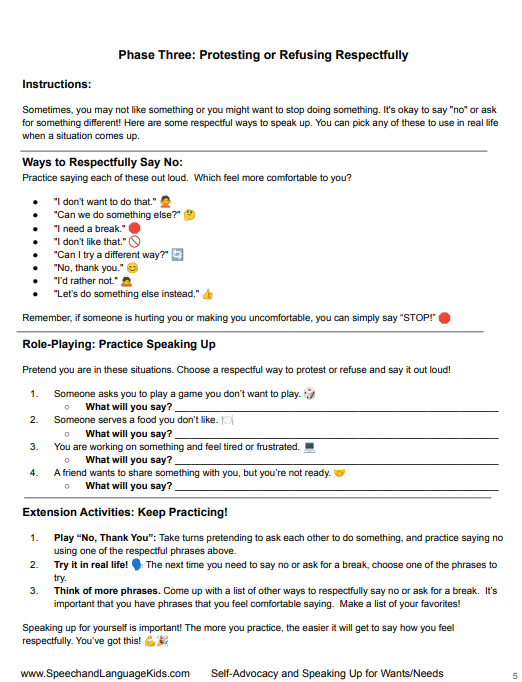
Recognizing that social communication is inextricably linked to emotional well-being, the suite also includes a specialized curriculum for emotional regulation and self-advocacy. This program is designed to move beyond traditional behavioral management, instead prioritizing the replacement of challenging behaviors with functional communication. For younger children, the initial level focuses on these basic communicative replacements, providing a vital tool for expressing needs without frustration.
The curriculum then scales upward, introducing emotional understanding and self-calming strategies for children between the ages of five and ten. For adolescents and older children, the advanced level emphasizes proactive regulation and the development of self-advocacy skills. This progression is critical, as it empowers students to understand their own emotional states and articulate their needs in real-world settings, a cornerstone of long-term independence and success.
Mastering the Art of Conversation
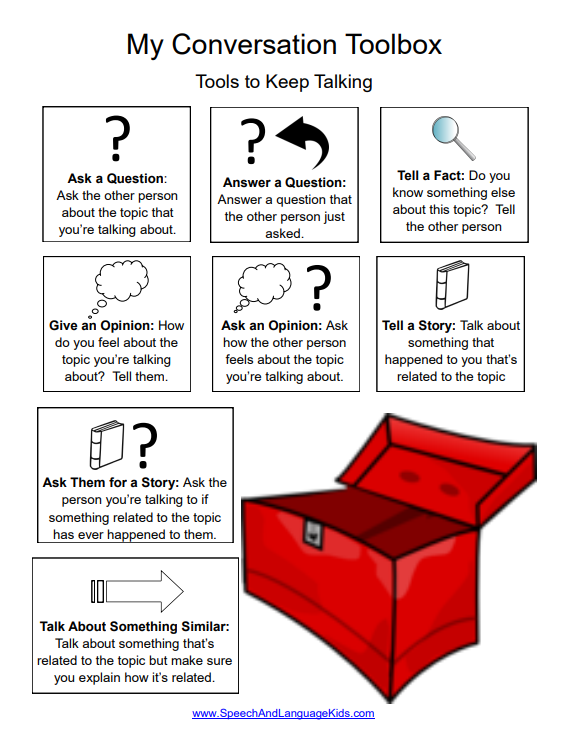
Conversational skills are often the most visible indicator of social proficiency, yet they are among the most difficult to teach in a vacuum. To address this, the Conversational Skills Curriculum provides a systematic, ready-to-use framework. Rather than relying on sporadic, spontaneous instruction, this program offers clinicians and parents a structured approach to building confidence in dialogue.
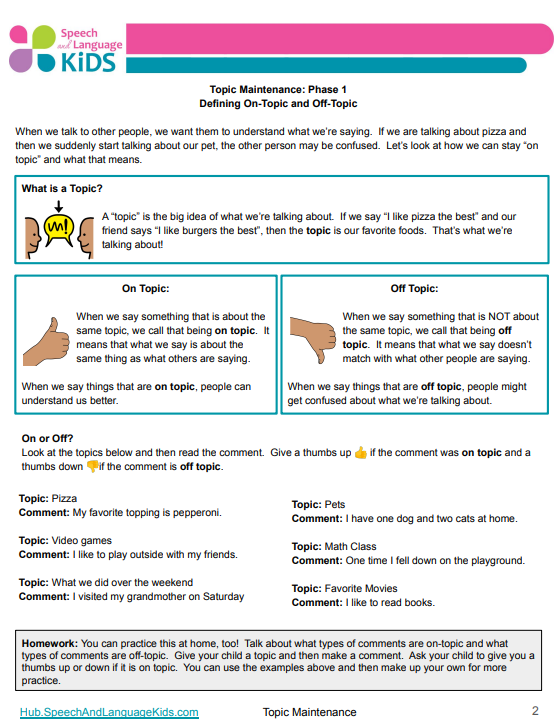
The beginner level starts with the mechanics of initiating and responding to conversations, targeting the developmental window of four to six years. As students advance, they are introduced to strategies for maintaining topics and managing the flow of interaction, before eventually moving to the advanced level, which covers the navigation of complex, nuanced social exchanges. By providing pre-made materials and a clear roadmap, the curriculum reduces the planning burden on therapists, allowing them to focus on the quality of the interaction itself rather than the logistics of session preparation.
Addressing Abstract Language and Selective Mutism
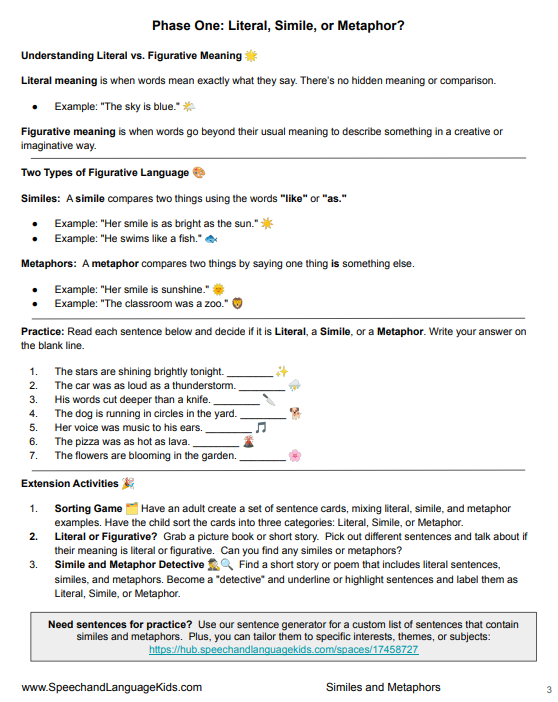
Communication is rarely literal, and for many children, the transition to understanding figurative language, humor, and social nuance can be a significant hurdle. The Abstract Language Curriculum is designed to bridge this gap through a low-prep, highly structured program. It guides students through the complexities of literal versus nonliteral language, eventually moving toward advanced inferencing and social interpretation. This development is essential for students who may grasp the words being spoken but struggle to decode the intent behind them.
Furthermore, the suite includes a dedicated program for selective mutism, a condition that requires a highly specialized and sensitive approach. This curriculum provides therapists and school teams with the tools to create supportive, low-pressure environments that foster the motivation to speak. By focusing on gradual, environment-based modifications and calming strategies, the program offers a pathway for children who experience significant anxiety regarding speech in specific social contexts.
The Role of Structured Planning in Clinical Outcomes
The common thread across these various curriculums is the emphasis on structure as a catalyst for growth. The creators behind these resources argue that when practitioners have access to a clear, evidence-based plan, their confidence in delivering therapy increases significantly. This, in turn, translates into more consistent and effective support for the children and teens they serve.
In a field where burnout can be a genuine concern, the ability to access pre-developed, high-quality materials allows professionals to spend less time on administrative planning and more time on the therapeutic process. Each curriculum is designed to guide the user from the first session to the mastery of specific skills, ensuring that no essential developmental steps are missed.
While the provided age ranges serve as a guide for typical development, the developers emphasize that these programs are highly adaptable. They are intended to meet children and teens where they are, making them suitable for older students who may have missed foundational developmental milestones. This flexibility is vital for supporting neurodivergent populations and those with complex communication needs, ensuring that the intervention remains respectful of the individual’s unique journey.
As these tools gain wider implementation, the focus remains on the ultimate goal: empowering children to connect with the world around them. Whether through learning to self-advocate, mastering the intricacies of a casual conversation, or finding the comfort to speak in a new environment, the shift toward structured, purposeful, and affirming communication support is changing the way therapists, educators, and families interact with the children in their care. By providing the architecture for these skills to grow, the hope is that children will not only meet their developmental milestones but will gain the confidence to engage with their peers and their communities in ways that are deeply and uniquely their own.