









In the field of pediatric speech-language pathology, the quest for effective, evidence-based tools that bridge the gap between clinical theory and real-world application remains a top priority. A new series of comprehensive voice and resonance curriculums has been introduced to provide speech-language pathologists (SLPs), educators, and parents with a structured, systematic approach to improving vocal quality, projection, and resonance in children and teenagers. By focusing on healthy, sustainable vocal habits, these programs are designed to instill confidence in young speakers, enabling them to communicate clearly in environments ranging from the classroom to the stage.
The release of these materials marks a significant shift toward providing practitioners with ready-to-use, professional-grade resources that minimize the burden of lesson planning while maximizing therapeutic outcomes. With an emphasis on "structured, evidence-based, and confidence-building" methodologies, the programs address the core components of healthy vocal function, ensuring that students can navigate their daily interactions with pride in their own voices.
Foundations of Healthy Voice Use
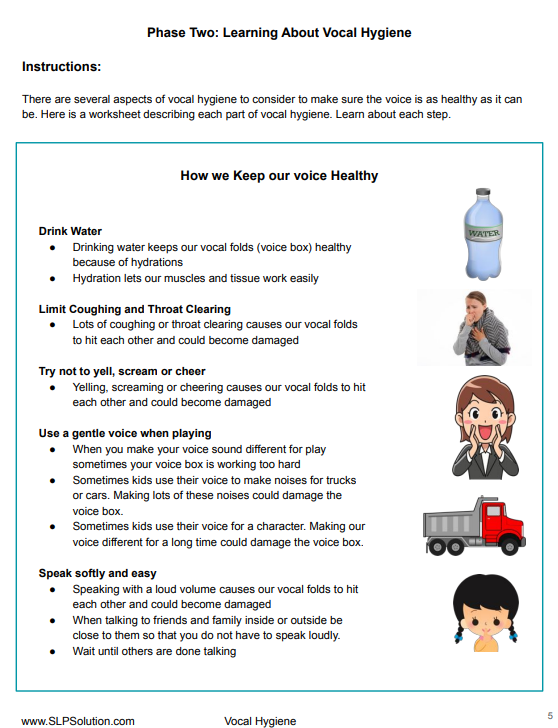
Central to this new initiative is the "Foundations of Healthy Voice Use" curriculum. This program is designed as a foundational roadmap for children and teens who struggle with vocal hygiene, breath control, or inefficient voice use. Recognizing that every student’s journey is unique, the curriculum is divided into three distinct levels that allow for personalized progression.

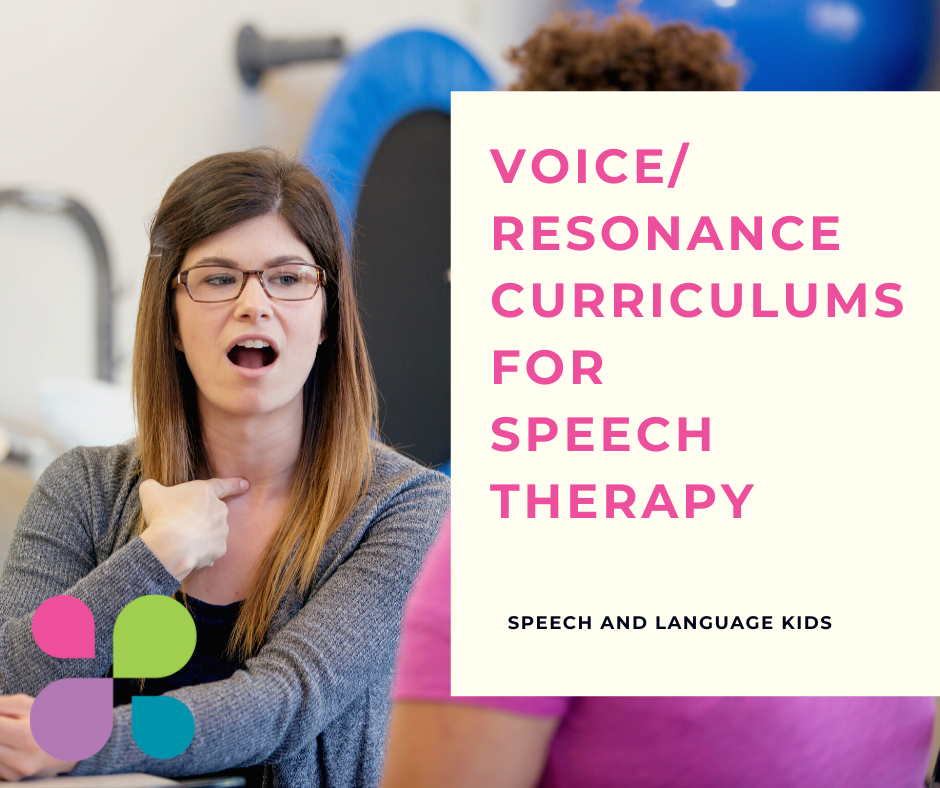
The beginner level focuses heavily on vocal hygiene and the prevention of strain, a crucial starting point for children between the ages of 5 and 12. At this stage, the curriculum emphasizes teaching children how to recognize and avoid behaviors that may lead to vocal damage. As students move into the intermediate level, typically geared toward ages 6 through 14, the focus shifts toward breath control and support. This stage is vital for developing the foundation needed for sustained, clear speech. Finally, the advanced level, which is suitable for students from age 12 through adulthood, emphasizes self-monitoring and the carryover of these learned strategies into everyday life. By providing these specific developmental markers, the program ensures that practitioners can tailor their interventions to the child’s actual developmental stage rather than relying on a one-size-fits-all approach.
Addressing Resonance and Nasality
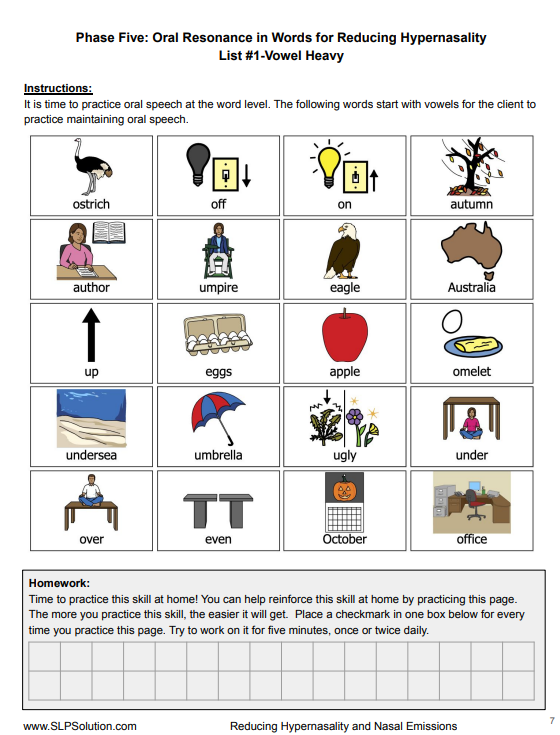
In addition to foundational voice use, the initiative tackles the complex challenges associated with resonance. The Resonance (Nasality) Curriculum is a specialized program designed to help children and teens develop balanced oral resonance. Imbalances in this area, such as hypernasality or hyponasality, can significantly impact speech clarity and overall voice quality.
The program operates through a structured three-level framework that guides students from basic awareness to consistent, everyday application. The beginner level, aimed at children aged 5 to 6, focuses on developing awareness and discrimination—helping the student "hear" the difference between nasal and oral resonance. The intermediate level, for ages 5 to 7, moves into using oral resonance in structured speech tasks, while the advanced level, for ages 5 to 8 and beyond, focuses on the generalization and carryover of these skills into spontaneous, natural conversation. This developmental progression is critical, as it allows young speakers to build the physical awareness necessary to adjust their resonance patterns subconsciously.

Targeted Voice Therapy and Prosody Development
Beyond general hygiene and resonance, the initiative introduces dedicated programs for voice disorders and prosody. The Voice Curriculum is an evidence-based program specifically designed for children and teens experiencing voice disorders. It provides a guided, step-by-step approach to improving vocal quality and developing efficient, sustainable communication patterns.
The levels within the Voice Curriculum are carefully tiered: the beginner level addresses the reduction of vocal strain and tension (ages 5 to 10), the intermediate level focuses on the refinement of vocal quality (ages 10 to 14), and the advanced level covers the nuances of controlling pitch, loudness, and endurance (age 12 to adult). This tiered approach ensures that as a child matures, their therapeutic goals evolve alongside their physical development.
Complementing this is the Prosody Curriculum, which addresses the "musicality" of speech. Prosody—the rhythm, stress, and intonation of language—is often overlooked in standard therapy but is essential for expressive and engaging communication. By teaching children to control volume, rate, and pitch, this curriculum helps them move beyond merely being "heard" to being truly understood and expressive. Starting with basic awareness at age 4 and progressing through to the generalization of these skills in conversation by age 10, the program provides a roadmap for developing natural-sounding, confident speech.
A Unified Approach to Clinical Efficiency
A recurring challenge for many speech-language pathologists is the sheer volume of planning required for each individual student. The creators of these new curriculums argue that when a practitioner has a clear, structured plan, children make significantly faster progress. The philosophy behind this initiative is that by removing the burden of creating materials from scratch, therapists can focus more of their energy on the interpersonal, coaching-based aspects of therapy.
The integration of these curriculums into a larger framework—the "SLK Curriculum"—allows for a cohesive approach to communication disorders. Whether a student is working on speech sounds, voice, resonance, or prosody, the methodology remains consistent. This consistency is beneficial not only for the therapist but also for the student, who benefits from a familiar structure across different areas of their speech development.
By providing instant, ongoing access to these resources, the program aims to reduce the "risk" of traditional, trial-and-error therapy planning. The materials are designed to be flexible, allowing for cancellations and adjustments, reflecting a commitment to supporting the evolving needs of both the therapist and the family.
The Impact on Long-Term Communication
Ultimately, the goal of these structured curriculums is to foster long-term confidence. The creators emphasize that when a child masters the physical mechanics of their voice—whether that means reducing strain, balancing resonance, or improving prosody—the psychological benefits are profound. The ability to speak clearly and comfortably changes the way a child interacts with the world, impacting their social confidence, academic performance, and overall self-esteem.
As these tools continue to be adopted by professionals, the broader hope is to set a new standard for how voice and resonance disorders are treated in pediatric settings. By moving away from fragmented, ad-hoc activities and toward a comprehensive, stage-based curriculum, practitioners are better equipped to guide students through the complex process of vocal development. This, in turn, ensures that more children have the opportunity to find their voice, use it with pride, and communicate effectively throughout their lives.
Through the combination of multimedia resources, professional guidance, and a commitment to evidence-based practices, these curriculums represent a significant step forward in the field of speech therapy, offering a clear, sustainable path for young people to achieve their full communication potential.