




By Cheryl Hall | June 23rd, 2026
As an occupational therapist, there are few feelings as discouraging as the sense that your voice is being lost in the clinical shuffle. It is a sentiment that resonates across the healthcare spectrum. Whether you are a nurse navigating a complex discharge plan, a physician assistant managing multiple comorbidities, or a physical or speech therapist striving to integrate your goals into a broader recovery strategy, the experience of feeling overlooked is a common professional hurdle. However, this frustration often stems from a fundamental disconnect in how we conceptualize the healthcare team. When we look past the individual roles and focus squarely on the patient, it becomes clear that superior outcomes are not just a possibility—they are a mathematical certainty when occupational therapy is an active, respected participant within a collaborative team.
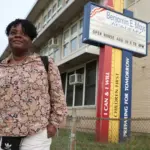
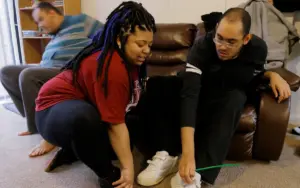
The persistent issue of professional isolation in medicine has led to a growing movement in academic and clinical circles to bridge these gaps before students even enter the workforce. A prime example of this evolution is a recent initiative at the University of Wisconsin-Milwaukee (UWM), which has brought together nursing, physical therapy, speech-language pathology, and occupational therapy students for an intensive interprofessional education simulation. The program, titled "Building Better Care through Teamwork," serves as a vital blueprint for how the next generation of clinicians can be trained to view patient care through a lens of collective expertise rather than isolated practice.
The feedback from the students participating in the UWM simulation has been telling. Beyond the clinical skills practiced, the participants highlighted the immense value of simply learning what their peers in other disciplines actually do. In the high-pressure environment of a hospital or rehabilitation center, it is easy to make assumptions about a colleague’s role. By breaking down these barriers in a simulated setting, students were able to cultivate a deeper respect for varying clinical perspectives. More importantly, the exercise fostered critical soft skills—communication, leadership, and shared problem-solving—that are often left out of traditional, discipline-specific curricula. These attributes are not just academic abstractions; they are the bedrock of effective, patient-centered care.
The necessity for such interdisciplinary synergy is becoming increasingly urgent as healthcare providers become more hyper-specialized. While specialization has allowed for incredible advancements in medical technology and surgical intervention, it has inadvertently created clinical silos. When managing a patient with complex, multi-system needs, a fragmented approach can lead to inefficiencies, gaps in care, or conflicting treatment plans. This is where the interdisciplinary team becomes a necessity rather than an optional luxury.
These teams typically coalesce during formal care planning meetings, where the focus shifts from individual interventions to the overarching trajectory of the patient’s health. This is a critical juncture for the occupational therapist. With a unique, holistic perspective that encompasses functional performance, environmental adaptation, and the long-term support of independence, the OT brings a layer of insight that is often missing from purely medical or mobility-focused discussions. However, simply having a seat at the table is not enough; the professional must be prepared to contribute meaningfully to the conversation, grounding their input in the reality of the patient’s day-to-day life.
Effectiveness within these teams hinges almost entirely on the quality of communication. For many OTs, the challenge lies in translating their broad, holistic observations into data that resonates with the rest of the team. To be heard, clinicians must focus their observations on the "why" or the specific functional impact of their findings. When reporting to a team, it is not enough to note that a patient has difficulty with dressing; the focus should be on how that functional deficit impacts the safety and viability of a discharge plan. When charting and participating in team meetings, clinicians should prioritize brevity, specificity, and clarity. Whether it is detailing the precise level of assistance required for a task, the specific equipment needed to ensure safety at home, or necessary home modifications, the information must be actionable.
Furthermore, a significant portion of effective teamwork involves the proactive prevention of service overlap. In a busy clinic, it is not uncommon for PT, SLP, and OT to inadvertently work on the same goals or provide conflicting instructions to a patient. This can lead to patient fatigue and confusion. Regular, intentional consultation between disciplines is the only way to ensure that interventions are complementary rather than repetitive. If the physical therapist is working on lower-extremity strengthening for gait, the occupational therapist should be focusing on how those gains can be integrated into high-level activities of daily living, such as navigating a kitchen or managing personal hygiene. By aligning these efforts, the team optimizes the patient’s limited time and energy.
Ultimately, the goal is to consistently emphasize the unique value of the OT perspective. While other disciplines may be focused on physiological healing or range of motion, the occupational therapist must continue to champion the holistic approach—addressing the real-life tasks that are most important to the patient’s ability to live independently and find joy in their life. When the team understands that the OT is not just "the person who helps with dressing," but rather the professional who ensures that a patient can successfully return to their home environment, the dynamics of the team shift.
Advocating for this team-based approach is a professional responsibility that extends beyond the bedside. It requires clinicians to champion the advantages of collaboration to their organizational leadership. There is a robust body of evidence suggesting that a team-based model of care provides tangible benefits to healthcare organizations. By reducing medical errors and lowering readmission rates, these models directly impact the financial and clinical health of the institution. Perhaps most significantly, the team approach acts as a structural defense against clinician burnout. By sharing the "mental load" of complex cases and fostering a culture of peer learning, hospitals and clinics can create an environment where providers feel supported rather than isolated.
When a team functions correctly, it eliminates the inefficiencies of clinical silos. It allows for the optimization of workloads by assigning tasks based on the specific expertise of each team member, rather than simply handing off tasks to whoever is available. This, in turn, speeds up clinical decision-making, ensuring that patients receive the right care at the right time.
The power of a cohesive, interdisciplinary team cannot be overstated. It is a transformative tool that can redefine the quality of care provided to the most vulnerable patients. For the individual clinician, the path forward is clear: prepare to contribute substantively to the most complex cases, refine the communication skills that allow your expertise to be understood by others, and act as a tireless advocate for the organizational changes that make true teamwork possible. By investing in these collaborative efforts, we ensure that both our patients and our fellow clinicians are better equipped to navigate the complexities of modern healthcare. As the medical landscape continues to evolve toward greater specialization, our ability to unite our diverse skills under a shared, patient-centered mission will remain our most important professional asset.