






For many professionals in the field, choosing to specialize in geriatric occupational therapy is more than just a career move; it is a commitment to one of the most rewarding and impactful areas of healthcare. As the demographic landscape of the United States and the world shifts, the role of occupational therapists (OTs) in supporting older adults has moved from a specialized niche to a vital pillar of the modern healthcare system. The demand for these services is not merely growing—it is accelerating at a rate that necessitates a deeper look at how practitioners can best serve this evolving population.
The statistical reality of this shift is profound. The over-65 age cohort is currently the largest growing segment of the population. This demographic transformation is visible in local communities across the country, where in more than 1,400 U.S. counties, older adults now outnumber children. This figure represents nearly half of all counties in the nation, signaling a widespread need for healthcare systems to adapt to the specific requirements of an aging citizenry.
Central to this shift is the overwhelming preference among older adults to "age in place." Remaining in one’s own home is not just a matter of comfort; it is a pursuit of autonomy. Aging in place allows individuals to maintain their connections to their local community, preserve long-held memories, and exercise continued control over their daily decisions. Furthermore, from a financial perspective, remaining at home is often significantly more cost-effective than transitioning into traditional senior living facilities. For the occupational therapist, this preference for home-based living provides a unique, intimate environment in which to deliver care that is deeply rooted in the patient’s real-world context.
To serve this population effectively, an occupational therapist must develop a keen, multifaceted understanding of the aging process. The treatment plan for an older adult is rarely singular; rather, it is a complex tapestry woven from physical, cognitive, and emotional threads. On the physical front, therapists must be prepared to address the common, often overlapping challenges of musculoskeletal issues—such as deteriorating bone density, joint pain, and muscle weakness—alongside broader concerns regarding balance, mobility, and the decline of sensory and fine motor skills. These physical hurdles are often compounded by chronic health conditions that require nuanced, long-term management.
Cognitive health is another critical domain. While normal age-related cognitive slowing is a reality for many, it is frequently exacerbated by underlying medical issues, the side effects of complex medication regimens, and nutritional status. Furthermore, as age is the single greatest risk factor for Mild Cognitive Impairment (MCI), dementia, and Alzheimer’s disease, therapists must be adept at recognizing early signs and integrating cognitive support into their care strategies. Emotional health must also be prioritized; while many older adults report high levels of happiness and fulfillment, the convergence of physical and cognitive challenges can significantly impact their mental well-being. Consequently, the most effective OTs are those who listen actively to their patients, treating not just the diagnosis, but the person, and considering all the potential roadblocks to the occupations that give their lives meaning.
Preparation is the hallmark of professional excellence in this field. Before walking through a patient’s door, an OT should be equipped with appropriate, evidence-based assessment tools. Organizations like the American Occupational Therapy Association (AOTA) provide comprehensive resources, including quality toolkits that help practitioners select the most valid and reliable assessments for their specific patient populations. Using these tools allows the therapist to establish a baseline, track progress, and tailor interventions with precision, ensuring that the care provided is data-driven and goal-oriented.
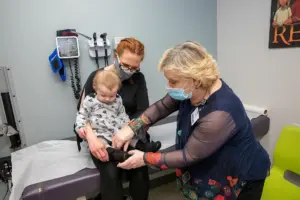
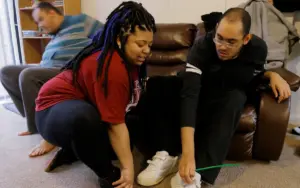
The core motivation for many older patients seeking therapy is a desire to maintain independence in their activities of daily living (ADLs). This is where the core competencies of occupational therapy truly shine. Whether it is helping a patient regain the ability to toilet, bathe, dress, or eat independently, the impact of these interventions is both practical and deeply rewarding. By introducing specific techniques, adaptive equipment, and innovative technologies, OTs can bridge the gap between a patient’s current functional limitations and their desired level of independence.
The scope of this work extends well beyond basic ADLs into the realm of instrumental activities of daily living (IADLs). Managing medications, preparing meals, coordinating transportation, shopping, maintaining communication, and pursuing leisure activities are all essential components of a fulfilling life. OTs can play a pivotal role here by implementing technology-based supports and building customized functional strengthening programs that are directly tied to these tasks. Moreover, the OT serves as a vital resource in the management of chronic conditions such as Parkinson’s disease, COPD, diabetes, and arthritis, helping patients navigate the daily realities of these illnesses with dignity and efficacy.
For those practicing in home health, the impact is arguably even more direct. The home environment is the primary setting where the OT’s expertise in safety and fall prevention is put to the test. A thorough environmental assessment can identify hidden hazards, allowing the therapist to recommend modifications that significantly reduce the risk of injury. This might involve suggesting the installation of grab bars, raised toilet seats, or transfer benches to make the bathroom—often the most dangerous room in the house—a safer space. It may also include the introduction of mobility aids like rollators, walkers, or canes, or even the implementation of major environmental changes like the installation of stair lifts.
Modern technology has also expanded the toolkit available to the therapist. Today’s OTs can leverage smart home devices, automated medication management systems, and medical alert technology to provide a safety net for their patients. These tools, paired with compensatory strategies for fine motor deficits or vision loss, allow older adults to remain in their homes far longer than might otherwise be possible.
Ultimately, the strength of occupational therapy lies in its holistic approach. It is a philosophy that puts the patient’s goals and values at the forefront of every clinical decision. By prioritizing what the patient wants most, the therapist can create a personalized support system that fosters independence and facilitates continued participation in the occupations that define their identity. For an aging population, this level of care is not just a service—it is a lifeline to a life of continued purpose, privacy, and personal control. As the number of older adults continues to climb, the role of the occupational therapist in navigating these challenges remains more essential than ever.