








The Director-General of the World Health Organization, Dr. Tedros Adhanom Ghebreyesus, has concluded the first day of his high-profile, two-day State visit to the Hashemite Kingdom of Jordan, using the diplomatic mission to underscore the robust and enduring partnership between the global health body and the Jordanian government. The visit places a sharp focus on critical areas of modern public health, including the advancement of universal health coverage (UHC), the integration and expansion of mental health services, and sustained humanitarian health action in a region profoundly impacted by ongoing conflict and displacement.
At the center of the first day’s itinerary was a pivotal meeting between Dr. Tedros and His Majesty King Abdullah II. This high-level encounter reflected the deep geopolitical and humanitarian significance of the State visit, as well as Jordan’s recognized leadership in championing health as both a domestic and global priority. The discussions between the WHO chief and the Jordanian monarch covered a broad spectrum of urgent challenges, most notably strengthening national health systems, expanding equitable access to quality medical care, and sustaining international and regional support for emergency response efforts. Particular emphasis was placed on the plight of the Palestinian people, the specialized care required by patients evacuated directly from Gaza to Jordan for emergency treatment, and the millions of refugees that Jordan continues to generously host within its borders.
Reflecting on the discussions and the country’s remarkable humanitarian posture, Dr. Tedros expressed his profound gratitude. "I wish to express my appreciation to His Majesty King Abdullah II for his commitment to advancing universal health coverage," said Dr. Tedros. "I also extend my thanks to His Majesty and the people of Jordan for their solidarity and generosity in providing health services to more than three million refugees, primarily from Gaza and Syria, who are living in the country."
The WHO Director-General further elaborated on Jordan’s vital contributions to regional stability and well-being, specifically highlighting the nation’s proactive diplomatic and logistical initiatives. "We are grateful for Jordan’s broader humanitarian leadership, including His Majesty’s Medical Corridor initiative, which delivers critical care to ill and injured children from Gaza," Dr. Tedros added. "Jordan continues to show the world what it truly means to put health and humanity first."
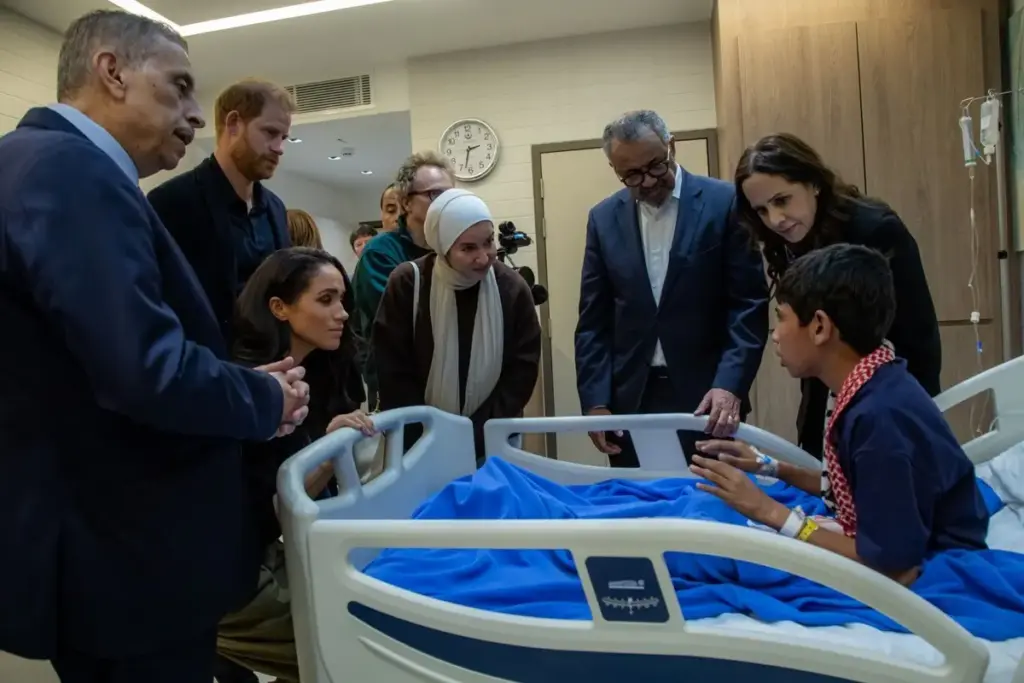
Following the royal audience, Dr. Tedros undertook a series of field visits and high-level consultations designed to see the practical application of these humanitarian commitments firsthand. He visited a specialized, WHO-supported hospital currently providing intensive, specialized medical care to children who have been evacuated from Gaza. During the hospital tour, Dr. Tedros walked the wards, meeting young patients and their families, as well as the frontline health workers and medical professionals who are working tirelessly under immense pressure to deliver life-saving treatments for severe injuries, cancer, and other complex, life-threatening conditions.
This moving visit served to forcefully highlight the indispensable nature of the medical evacuation corridor operating through Jordan. It also underscored the urgent, ongoing need for sustained international financial and logistical support to ensure that vulnerable children and other critically ill individuals can continue to access the essential care they desperately require.
In addition to his hospital visit, the WHO Director-General convened a strategic, high-level meeting bringing together key health partners, donor countries, various United Nations agencies, and philanthropic organizations. The primary agenda of this gathering was to address and align financing priorities essential for bolstering Jordan’s health system infrastructure. The discussions also addressed ongoing humanitarian health actions, specifically focusing on scaling up mental health support services and securing robust, predictable backing for nations that shoulder the immense responsibility of hosting large refugee populations. Dr. Tedros welcomed the strong collaboration and the continued, unwavering commitment demonstrated by international partners to invest deeply in the health and resilience of Jordan and the wider region.
The day’s schedule also featured detailed bilateral discussions with Jordan’s Minister of Health. These talks honed in on national strategies for fortifying Jordan’s health system and accelerating progress toward universal health coverage. Jordan has increasingly established itself as a global leader in championing a robust primary health care approach to achieve UHC. A notable cornerstone of this success has been the seamless integration of mental health services into routine primary care, ensuring that citizens and residents alike can access psychological support as an ordinary, non-stigmatized component of daily health care delivery. The World Health Organization continues to provide vital technical and strategic support to this transformative work, operating notably through the Director-General’s Special Initiative for Mental Health.
Adding a notable international dimension to the diplomatic mission, Dr. Tedros was accompanied during several key engagements of the day by Prince Harry, the Duke of Sussex, and Meghan, the Duchess of Sussex. The royal couple participated in their capacities as the founders of Archewell Philanthropies and as long-standing, dedicated supporters of the World Health Organization’s global mission. Over the years, Archewell has provided critical backing to a diverse range of WHO initiatives, spanning from advocating for equitable access to COVID-19 vaccines to supporting vital medical evacuation operations and comprehensive mental health programs. Prince Harry participated actively as a committed ally of WHO’s mental health advocacy, using the platform to emphasize the vital importance of investing in psychological well-being across diverse communities and emergency settings, with a deliberate and compassionate focus on men, young people, and children.
Expressing his appreciation for their continued partnership, Dr. Tedros remarked, "I want to thank our partners, including Prince Harry, Duke of Sussex and Meghan, Duchess of Sussex, whose commitment to mental health and humanitarian action has helped bring visibility, resources and hope to some of the world’s most vulnerable communities. Their collaboration is helping to advance WHO’s mission to ensure health for all."
Echoing these sentiments, Prince Harry shared his reflections on the visit and the partnership with the global health agency. "It is an honour to join the Director-General of the World Health Organization in Jordan, a country that is leading by example in compassion, resilience and innovation," Prince Harry said. "Through our work with Archewell Philanthropies, my wife and I have seen first-hand the impact of WHO’s efforts to support mental health and deliver life-saving care in emergencies. We remain deeply committed to advancing awareness, reducing stigma and expanding access to mental health support for all those affected by conflict and crisis. Mental health is fundamental to recovery, dignity and long-term peace, and we are proud to stand with WHO and partners around the world to make it a global priority."
As the high-profile State visit moves into its second and final day, Dr. Tedros is scheduled to maintain a rigorous itinerary. His plans include a visit to Jordan’s National Center for Rehabilitation of Addicts, a facility supported extensively by the World Health Organization that offers comprehensive, integrated medical, psychological, and social services to those in recovery. Furthermore, the Director-General will engage with prominent community leaders and local women’s groups, including the esteemed Jordanian Hashemite Fund for Human Development. He is also slated to visit the renowned King Hussein Cancer Center to hold vital discussions regarding cutting-edge advances in cancer care, patient management, and expanded regional medical collaboration.
The comprehensive State visit is set to conclude with a final series of engagements involving key stakeholders and international partners who support ongoing humanitarian operations across the Middle East. These concluding meetings will serve to further reinforce Jordan’s indispensable, central role as a trusted regional hub for medical evacuations, rapid emergency response, and long-term health system resilience.
The reporting for this mission is supported by communications teams from the World Health Organization, including contributions from Communications Officer Paul Garwood and the broader WHO Media Team.