





By Michelle Diament | October 16, 2026
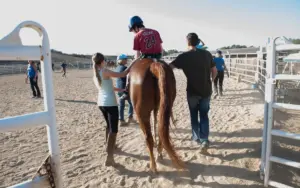
Riding horses or simply spending structured time around them can make a profound difference for children with autism, helping to significantly reduce hyperactivity and boost crucial social skills, according to new research published this month.
In a comprehensive study involving 236 children diagnosed with autism and co-occurring psychiatric conditions, researchers discovered that participating in either a dedicated therapeutic horseback riding program or structured barn activities brought about meaningful developmental and behavioral benefits. The findings offer fresh insight into how non-traditional, animal-assisted interventions can complement standard clinical care for youth navigating developmental and behavioral challenges.

The study, led by Robin Gabriels, a professor of psychiatry at the University of Colorado, sheds light on the unique physiological and psychological impacts that equine-related programs can have on young people. Participants in the study were between the ages of 6 and 16, a critical developmental window during which interventions can profoundly shape long-term social and emotional outcomes.
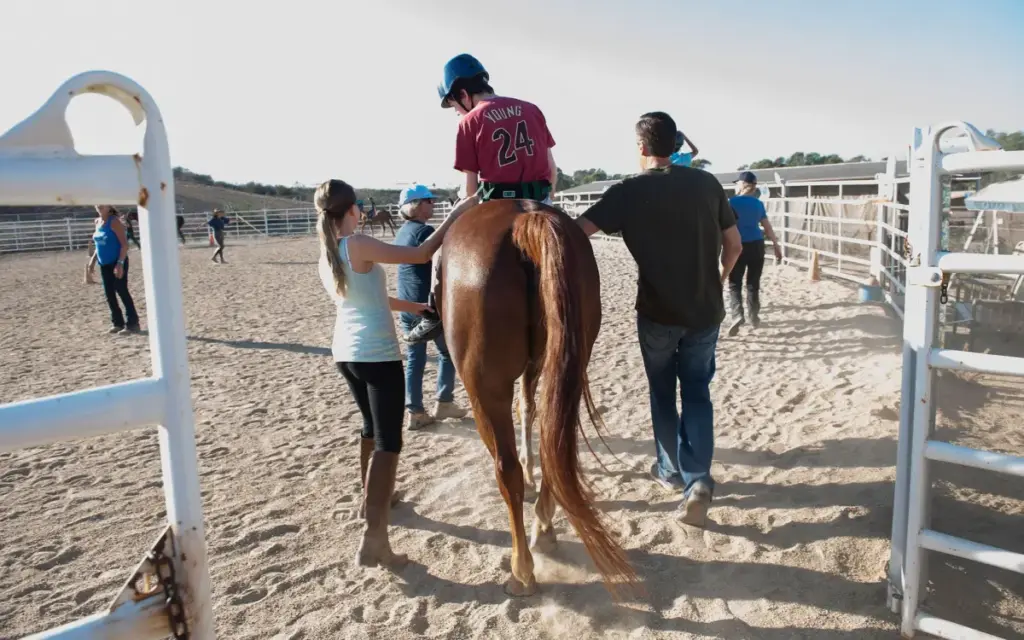
To evaluate the effectiveness of these programs, the researchers structured the study so that children were assigned to different groups. Some participants were designated to receive therapeutic horseback riding once a week for a duration of 10 weeks. Others took part in a barn activity group where they spent time in the environment, observing and engaging with the surroundings and horses, but did not physically mount or ride the animals. A third group served as a control of sorts, experiencing a waiting period before transitioning into five weeks of barn activities followed by five weeks of hands-on riding lessons.
When analyzing the behavioral outcomes across all groups, the researchers found that both the active riding program and the ground-based barn activities led to significant drops in irritability and hyperactivity. Furthermore, the children demonstrated measurable improvements in emotional regulation and social behaviors, suggesting that the broader sensory and social environment of the barn holds intrinsic therapeutic value.
However, the study also revealed a distinct difference in outcomes depending on the level of physical interaction with the animals. The greatest impact on hyperactivity specifically was observed among the children who participated directly in the horseback riding group.
"There is something about riding a horse that is particularly helpful for kids with hyperactivity," said Gabriels, highlighting the unique neuromotor and sensory demands that come with managing and moving in sync with a large animal.
The physical mechanics of horseback riding require a continuous loop of sensory processing, balance adjustment, and focused attention. As the horse moves, the rider must constantly adapt their posture and center of gravity to maintain stability. This dynamic process engages the vestibular system in ways that traditional indoor therapies often cannot replicate, potentially helping children better regulate their nervous systems and manage restless or hyperactive tendencies.
At the same time, the researchers emphasized that horseback riding is not a universal remedy and may not be the right fit for every child on the autism spectrum. Factors such as sensory sensitivities, fear of animals, physical limitations, or logistical constraints mean that animal-assisted therapies must be tailored to the individual needs and comfort levels of each child and their family.
Rather than serving as a replacement for established therapies, the study’s authors suggest that therapeutic riding and barn programs are best viewed as powerful, engaging ways to supplement existing treatments, such as behavioral therapy, speech therapy, and educational support plans.
"Working with horses gives these kids a chance to do something active, social and engaging," Gabriels noted, pointing to the inherent motivation that animals can provide. "For some children, that may be a particularly effective way to help them develop skills that can be difficult to teach in a traditional clinical environment."
The clinical findings, published in the journal Pediatrics, add to a growing body of scientific literature exploring the therapeutic potential of animal-assisted interventions. Traditional clinical settings—often defined by quiet rooms, structured prompts, and repetitive tasks—can sometimes feel sterile or overly demanding for children with autism and co-occurring psychiatric conditions. In contrast, stables and riding arenas offer a dynamic, multisensory landscape filled with novel sights, sounds, and social opportunities.
In these outdoor and agricultural settings, children are naturally encouraged to communicate, follow multi-step directions, practice patience, and build a trusting relationship with a large, responsive animal. These naturalistic interactions can foster a sense of accomplishment and self-efficacy that translates into improved confidence and better emotional control outside the barn.
As families and clinicians continually search for diverse, evidence-based tools to support youth with developmental disabilities, research of this scale provides valuable validation for programs operating in communities across the country. By documenting the specific behavioral shifts associated with equine activities, the study helps bridge the gap between alternative community programs and mainstream medical validation, offering a clearer picture of how, why, and for whom these interventions work best.