






By Michelle Diament | October 16, 2026
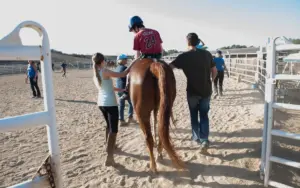
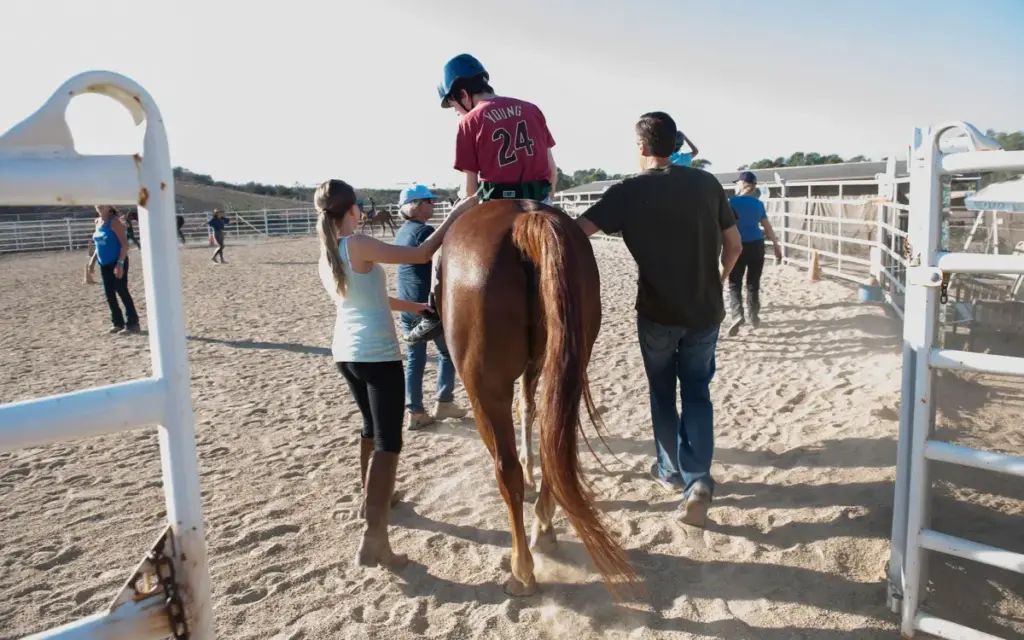
Riding horses or simply spending time around them can make a profound difference for children and adolescents diagnosed with autism, helping to significantly reduce hyperactivity while simultaneously boosting essential social skills, according to newly published research.
In a comprehensive new study involving 236 children diagnosed with autism and various co-occurring psychiatric conditions, researchers discovered that active participation in either a structured therapeutic riding program or routine barn activities brought about meaningful, measurable benefits.

The findings, which were published this month in the prominent medical journal Pediatrics, shed new light on complementary therapies that can be utilized alongside traditional clinical treatments to help youth navigate complex behavioral challenges.
For the purposes of the study, researchers enlisted children between the ages of 6 and 16. Participants were divided into different groups to evaluate the distinct impacts of interacting with horses versus merely being in their immediate environment. Some of the children were assigned to receive therapeutic horseback riding once a week for a duration of 10 weeks. Others were placed in a barn activity group where they were exposed to horses and spent time in the barn environment, but did not directly interact with or ride the animals.
A third cohort served as a comparison group, experiencing an initial waiting period before participating in barn activities for five weeks, followed by five weeks of hands-on riding lessons.
When researchers evaluated the outcomes across the various groups, they found that both the active riding program and the passive barn activities led to significant drops in irritability and hyperactivity among the participants. Furthermore, the children demonstrated noticeable improvements in emotional regulation and social behaviors, pointing to the broad therapeutic value of farm and animal environments.
However, researchers noted a distinct difference when examining the specific impact on hyperactivity. The greatest and most pronounced impact on hyperactivity levels was observed among the children who were placed in the direct riding group.
Robin Gabriels, a professor of psychiatry at the University of Colorado who led the rigorous study, emphasized the unique physical and psychological mechanisms at play when a child mounts a horse.
"There is something about riding a horse that is particularly helpful for kids with hyperactivity," Gabriels explained, pointing to the rhythmic movement and the intense focus required to manage and respond to a large animal.
While the research team is enthusiastic about the potential applications of therapeutic riding, they note that horseback riding is not necessarily a universal solution or the right fit for every child with autism. Individual preferences, sensory sensitivities, and physical considerations must always be taken into account by families and healthcare providers. Nevertheless, the study’s authors argue that their findings strongly suggest equine-assisted activities serve as an excellent, evidence-based way to supplement existing treatments and therapies.
"Working with horses gives these kids a chance to do something active, social and engaging," Gabriels said, highlighting the multi-sensory nature of the intervention. "For some children, that may be a particularly effective way to help them develop skills that can be difficult to teach in a traditional clinical environment."
Traditional clinical settings—such as office-based behavioral therapy sessions, speech therapy rooms, or classrooms—often rely heavily on verbal communication, structured desk work, and simulated social scenarios. While these approaches remain foundational for treating developmental and psychiatric conditions in youth with autism, they can sometimes feel sterile or overly demanding for children struggling with severe hyperactivity, irritability, or emotional dysregulation.
By contrast, the dynamic, tactile environment of a horse barn and the sensory-rich experience of balancing atop a moving horse engage the vestibular, proprioceptive, and tactile systems simultaneously. This multi-sensory input can help children calm their nervous systems, improve postural control, and increase their attention span in ways that translate to everyday settings outside the riding arena.
The publication of these findings in Pediatrics adds to a growing body of scientific literature exploring the intersection of animal-assisted interventions and pediatric mental health. As researchers continue to parse out the specific components of therapeutic riding that drive these behavioral improvements, advocates and families hope the data will lead to greater accessibility and broader insurance or community support for equine programs.
For now, the study provides families, educators, and clinicians with robust, peer-reviewed evidence that stepping out of the clinic and into the corral can be a powerful tool in supporting the developmental and emotional well-being of youth with autism.