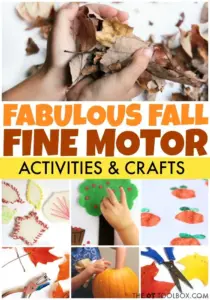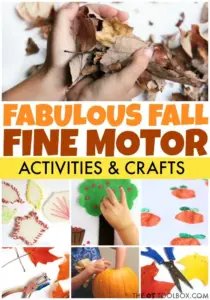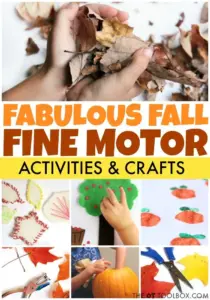






As the autumn season brings changing foliage and cooler weather, pediatric occupational therapists, educators, and parents are turning to seasonal themes to engage children in therapeutic play. Rather than choosing autumn-themed activities merely for seasonal amusement, professionals are utilizing materials such as apples, leaves, pumpkins, acorns, and farm elements to target specific developmental needs, including hand strength, finger dexterity, scissor proficiency, visual motor integration, and handwriting development.
The integration of seasonal items into developmental sessions addresses a core principle in pediatric therapy: making purposeful interventions feel like play. According to developmental specialists, many autumn-themed tasks naturally address multiple motor skills simultaneously, allowing therapists to adapt activities based on an individual child’s therapeutic goals.
Targeted Developmental Areas in Autumn Therapy
Occupational therapists often look for strategies that address foundational motor skills necessary for daily functioning, such as manipulating fasteners, opening containers, and maintaining a functional pencil grasp. The shift toward autumn motifs provides a rich sensory environment that supports both fine and gross motor development.
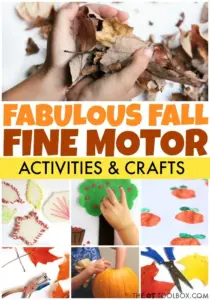
For hand strength development, activities utilizing resistance play a vital role. The Apple Geoboard activity, featured in specialized therapy memberships, requires children to stretch rubber bands across pegs to recreate apple designs. This action provides targeted resistance to the fingers and hands while demanding precision and controlled release, simultaneously supporting bilateral coordination, visual motor skills, and motor planning. Similarly, classic play dough activities offer resistive feedback that engages the small intrinsic muscles of the hands. Rolling, squeezing, pinching, and pressing play dough provides tactile and proprioceptive sensory feedback while working on arch development, wrist stability, and pincer or tripod grasps. Hiding small items like mini leaves, fall erasers, or colored beads inside the dough further increases engagement.
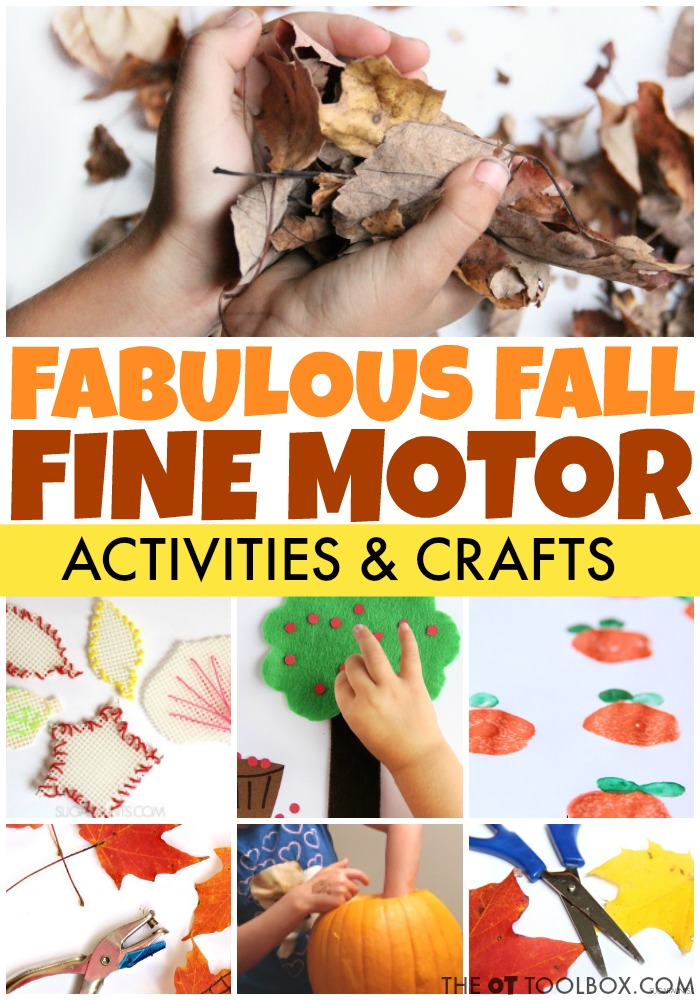
Dexterity, which involves the efficient and precise use of fingers for small movements, is another critical area supported by seasonal manipulatives. Materials such as craft pom poms, seeds, mini erasers, paper clips, and small craft supplies transform simple counting or sorting tasks into opportunities for advanced finger manipulation. The Fall Tree Geoboard activity, for instance, challenges children to use their fingertips to grasp, stretch, reposition, and release rubber bands rather than relying on whole-hand grasping patterns.
Paper clip counting tasks, such as attaching specific numbers of clips to apple-themed cards, require precise fingertip movements and bilateral hand stabilization, reinforcing both fine motor precision and early number concepts. Meanwhile, transferring fall-colored pom poms using tongs or tweezers into ice cube trays or muffin tins helps grade the precision required for tool use.
Scissor Skills and Visual Motor Integration
Scissor proficiency remains a primary focus in early childhood development, requiring the simultaneous coordination of two hands performing different actions. The cutting hand must repeatedly open and close the scissors along a visual path, while the helper hand stabilizes, rotates, and guides the paper. Apple cutting practice pages and autumn leaf-cutting exercises give children opportunities to practice cutting along lines or snipping foliage into small pieces. These tasks allow therapists to assess how children approach bilateral coordination, thumb position, and line awareness.
Beyond basic cutting, cut-and-paste crafts introduce executive functioning demands. Children must not only cut out shapes but also visually determine where pieces belong, orient them correctly, follow an assembly sequence, and apply glue. This multi-step process engages visual spatial skills, direction following, and sequencing.
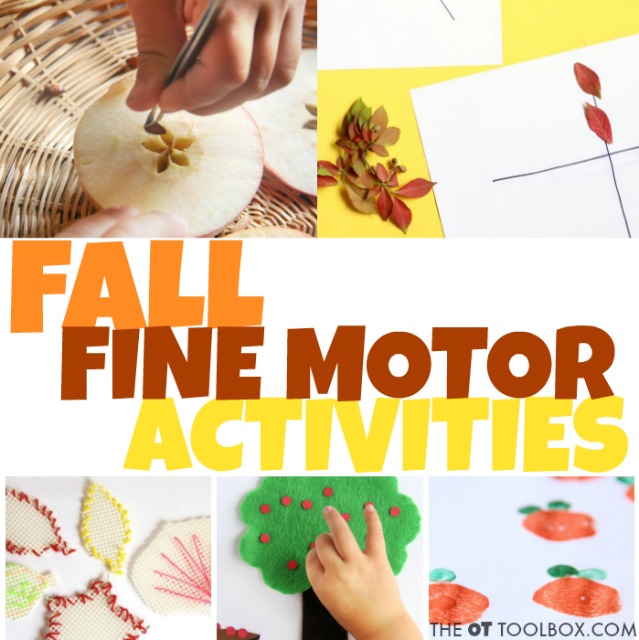
Visual motor integration is frequently intertwined with fine motor tasks. Children may possess adequate hand strength and dexterity yet struggle when a task requires them to copy a design, follow a line, or coordinate visual input with hand movement. Fall-directed drawing pages require children to observe a model of an acorn, leaf, or pumpkin, determine where lines begin and end, and reproduce spatial relationships. Pattern block designs and I Spy seek-and-find activities further enhance visual scanning, figure-ground perception, and sustained visual attention, particularly when paired with fine motor components like circling items, covering them with small manipulatives, or marking them with clothespins.
Handwriting and No-Prep Seasonal Strategies
Handwriting interventions benefit significantly from meaningful contextual tasks rather than isolated drill practice. Fall writing prompts allow educators and therapists to address specific writing components—such as line awareness, spacing, letter size, formation, and endurance—within the context of seasonal storytelling. By utilizing a single set of prompts across a diverse caseload, instructors can easily scale the complexity, from emerging writers producing a single fall-related word to older students planning and drafting structured paragraphs.
For practitioners seeking low-cost or no-prep solutions, everyday natural elements found outdoors or around the home provide extensive therapeutic value. Leaves can be torn, crumpled, punched, cut, sorted, or strung onto yarn. Acorns and pumpkin seeds can be picked up with tongs, counted, sorted, or dyed with liquid watercolors for sensory sorting tasks. Common household items like bread ties, clothespins, and cardboard tubes also offer accessible ways to encourage grip strength, finger isolation, and in-hand manipulation without requiring specialized equipment.
As practitioners continue to plan seasonal sessions, the emphasis remains on leveraging the natural appeal of autumn to build the foundational strength and coordination children need for academic and functional success throughout the year.