






As the warm weather arrives and traditional school schedules disappear, parents, educators, and pediatric therapists face a familiar seasonal challenge: helping children adapt their sensory processing input options. While summer offers a wealth of rich outdoor experiences—from a trip to the local playground to a day at the beach—the disruption of structured routines often leads to increased screen time and a need for alternative ways to keep kids regulated and engaged.
To address these seasonal shifts, pediatric occupational therapists and educators are emphasizing the importance of incorporating therapeutic, developmental activities into everyday summer routines. Far from requiring expensive equipment, everyday household items and simple environmental modifications can provide the necessary heavy work, movement, and tactile exploration children need to support attention, emotional regulation, and overall nervous system health.
During the summer months, children often miss out on the natural movement and proprioceptive input they receive throughout a structured school day. Without these anchor points, long days filled with phones, tablets, and video games can leave kids dysregulated. Experts note that simple additions—such as carrying beach buckets, digging in the sand, pushing wagons, climbing playground equipment, or helping with yard work—deliver essential heavy work input that organizes the nervous system. These movement opportunities support attention, emotional regulation, and readiness for learning while encouraging children to spend more time actively exploring their environment.
Similarly, the vestibular system, which helps children understand movement, balance, and head position, requires active engagement during the summer break. Activities such as swinging, spinning, rolling down grassy hills, navigating outdoor obstacle courses, swimming, and playing on playground equipment provide valuable vestibular input. Replacing screen time with these active movement experiences helps support balance, coordination, visual attention, and postural control, giving the brain the movement it needs for healthy sensory processing and regulation.
Tactile exploration also plays a crucial role in summer development. The tactile system helps children interpret information received through touch, forming an important foundation for fine motor skills, body awareness, and emotional regulation. Summer naturally provides countless opportunities for tactile engagement through sand, water, grass, mud, shaving cream, finger paint, bubbles, gardening, and nature play. Incorporating these hands-on activities strengthens finger dexterity and builds children’s confidence with new sensory experiences.
Oral motor development is another key area that can be seamlessly integrated into summer routines. Drinking smoothies through straws, blowing bubbles, eating crunchy fruits and vegetables, enjoying frozen treats, or playing with whistles and pinwheels strengthen the muscles used for eating, drinking, speech, and breathing. These oral motor activities provide calming sensory input, helping children engage their bodies and regulate their sensory systems during long summer days.
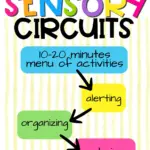
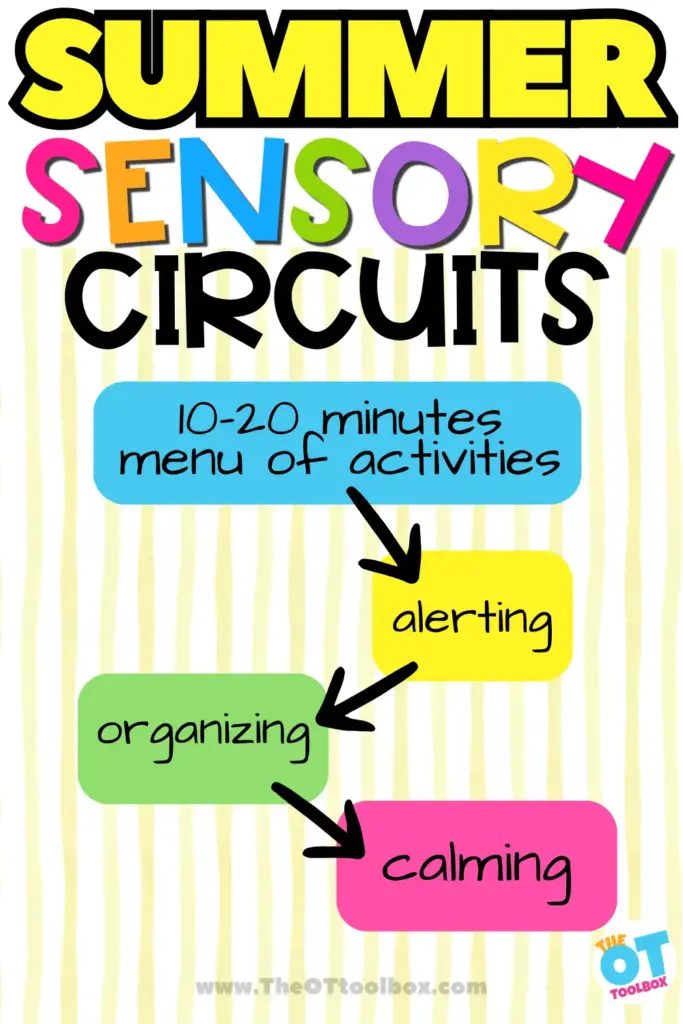
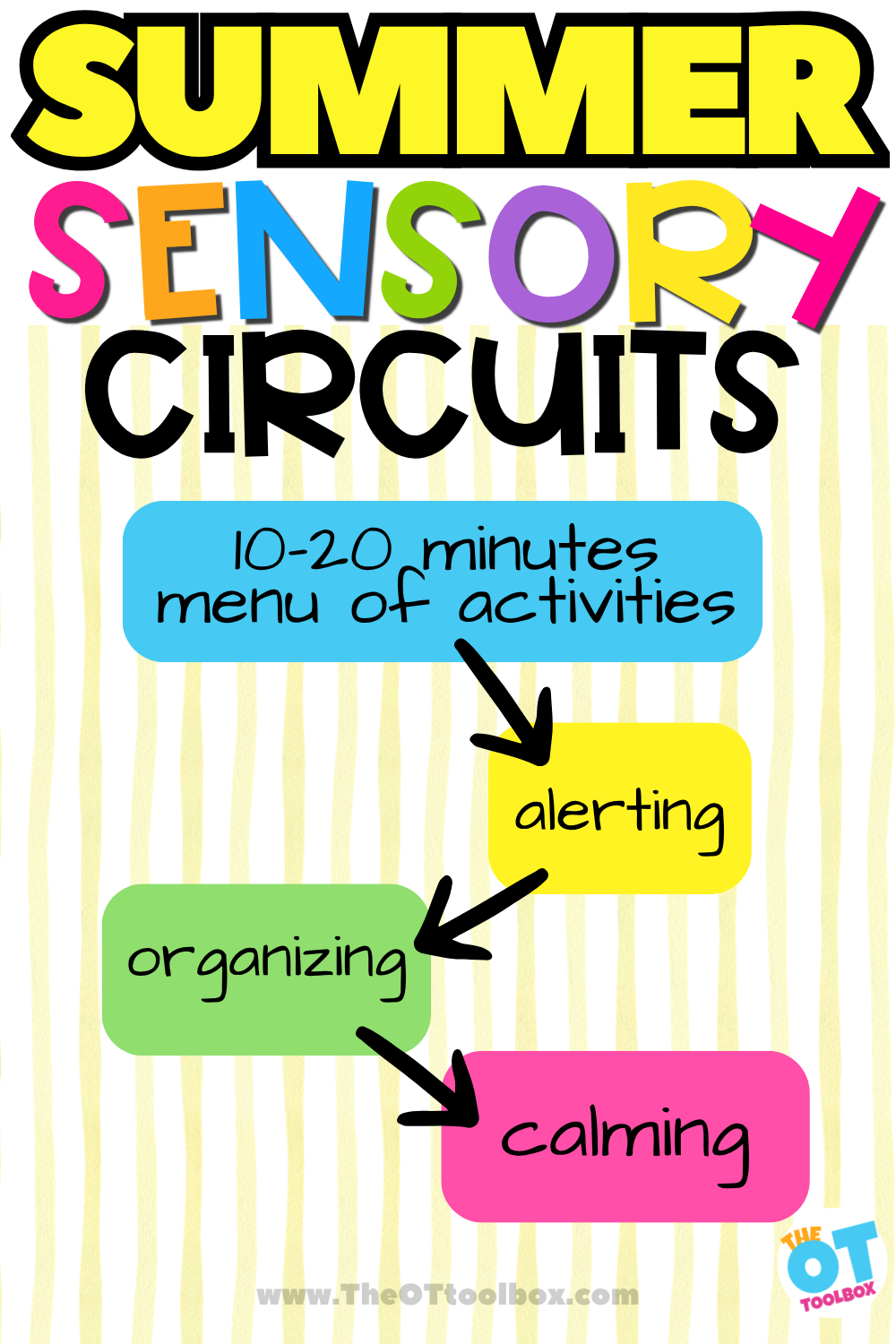
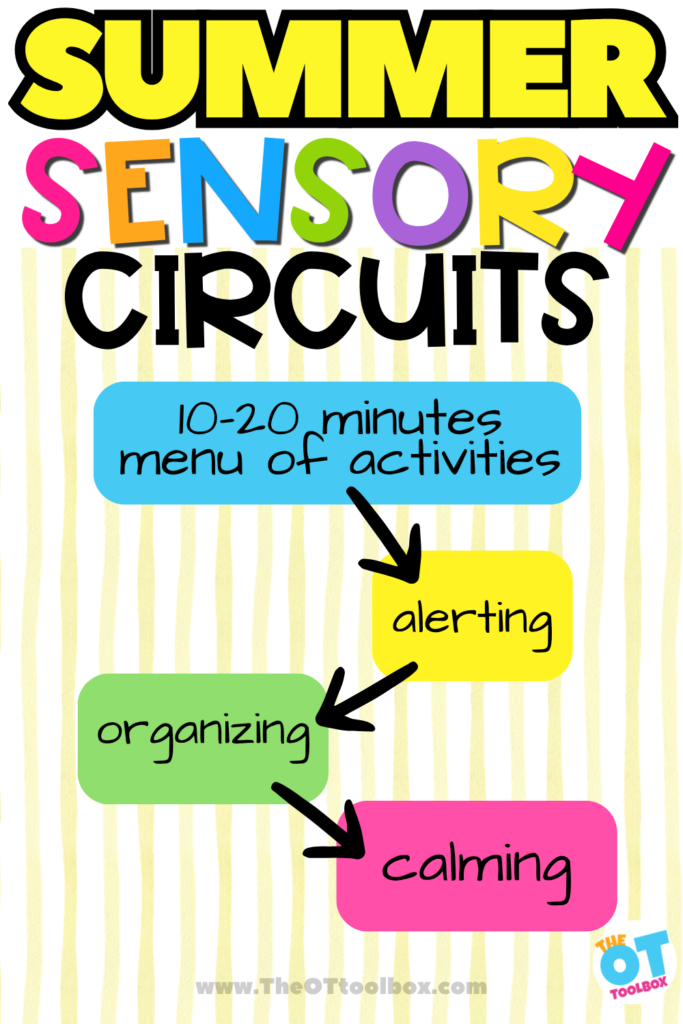
For educators and therapy providers running summer school classrooms or summer camps, maintaining a balanced environment often relies on structured approaches like sensory circuits. While a traditional sensory diet weaves different sensory strategies throughout the entire day, a sensory circuit groups specific activities into a single, continuous 10-to-20-minute block. By following a predictable, menu-style plan, sensory circuits simplify the process for busy families and classrooms.
The effectiveness of a sensory circuit lies in its intentional neurological progression. Moving sequentially through alerting activities to wake up the system, organizing activities to build focus and coordination, and calming activities to center and ground the child helps achieve the "just right" level of alertness. This structured routine allows children to focus, learn, and handle transitions smoothly, making it an ideal tool for anchorless summer days. Completing a circuit first thing in the morning or right after a chaotic midday break can provide the necessary neurological anchor for the day.
Beyond structured circuits, everyday summer environments offer boundless opportunities for targeted sensory integration. Water play, for instance, is one of the easiest and most versatile ways to provide rich sensory experiences during hot weather. Beyond cooling children off, water naturally engages multiple sensory systems while encouraging them to move, explore, and problem-solve. Water play supports tactile processing, hand strength, visual motor integration, bilateral coordination, and executive functioning, all while feeling like play rather than therapy. Simple activities involving sponges, spray bottles, and pouring containers can target multiple developmental skills at once, requiring very little setup for parents and teachers.
Similarly, pool noodles offer an inexpensive and adaptable tool for summer sensory programs. Lightweight and colorful, they can be cut into different sizes to create movement games that support balance, coordination, and body awareness. Whether used in backyard obstacle courses or team games, pool noodles provide a safe way to encourage movement confidence in children who may be hesitant to try new gross motor activities.
Nature play, sensory bins, backyard obstacle courses, and simple brain breaks further enrich the summer landscape, offering endless possibilities for purposeful movement. These activities not only keep kids physically active but also support executive functioning, motor planning, and emotional regulation.
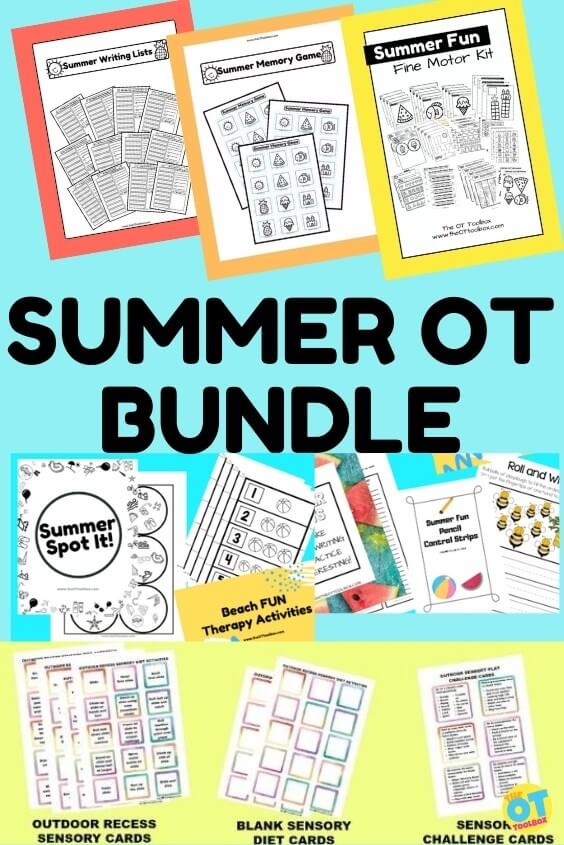
To assist parents, therapists, and educators in navigating these seasonal needs, comprehensive resources and toolkits have been developed to guide summer programming. Guides such as the Summer Sensory Activity Guide and broader occupational therapy bundles provide structured ideas for home programs, tutoring sessions, and summer camps. These materials offer ready-to-go activities, games, and handouts designed to support handwriting, fine motor skills, visual perception, and sensory regulation, ensuring that children remain active, engaged, and developmentally supported all summer long.