







GENEVA — In a decisive move to bolster health information systems and address critical vulnerabilities laid bare by the global health crisis, the World Health Organization (WHO) has unveiled a comprehensive new initiative aimed at revolutionizing access to life-saving health data. Known as the SCORE for Health Data Technical Package, the newly announced framework arrives at a crucial juncture as nations worldwide continue to navigate the complexities and challenges of the COVID-19 pandemic.
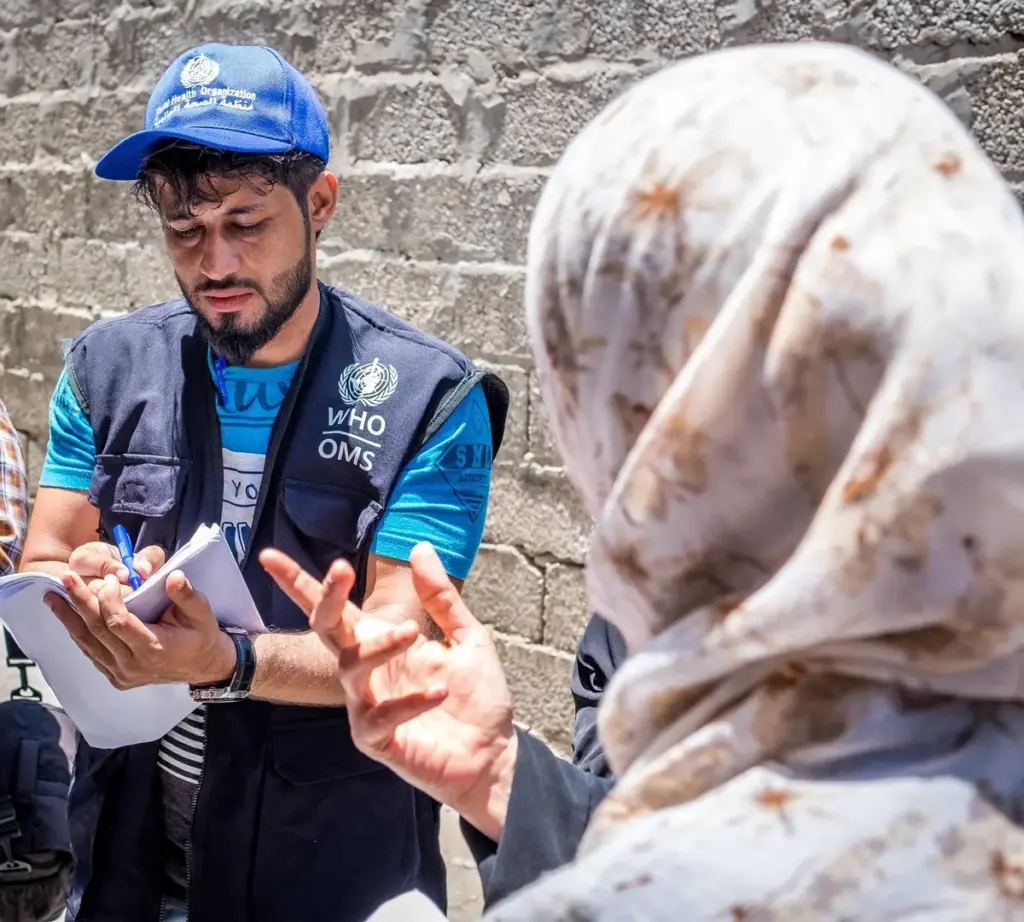
For months, public health experts have pointed to the profound information gaps that hinder effective disease control and emergency response. According to the WHO, an alarming number of countries still lack the fundamental infrastructure required to routinely gather accurate health data. Furthermore, many governments struggle with a severe lack of analytical capacity, leaving them ill-equipped to translate raw numbers into strategic health interventions and rapid emergency responses.
The launch of the SCORE package is designed to directly confront these systemic deficiencies by providing a unified, standardized approach to health data collection, validation, and utilization. By streamlining more than 90 universally accepted tools and standards into a single, harmonized resource, the WHO aims to help governments around the globe establish robust benchmarks and elevate standards in healthcare delivery.

"Countries must be able to measure progress to make progress," said WHO Director-General Dr. Tedros Adhanom Ghebreyesus, emphasizing the core philosophy behind the new initiative. "Particularly during COVID-19, reliable data is the best way to coordinate response efforts and improve health in all areas."
Accurate health data serves as the foundation of any effective public health strategy. Beyond merely tracking disease incidence, reliable statistics are necessary to understand specific country needs, allocate scarce medical resources to where they are desperately needed most, and ultimately save lives. In the face of a global pandemic, the absence of timely and dependable information can mean the difference between containment and widespread transmission.
The acronym SCORE stands for Survey, Count, Optimize, Review, and Enable. Each component of the technical package addresses a specific pillar of health information systems. By integrating these elements into a cohesive framework, the package seeks to dramatically improve the availability of timely, reliable, validated, and comparable health data across diverse geopolitical landscapes. It represents the first time all key elements for optimized health information system performance have been assembled into a single, comprehensive package.
The initiative comes as a direct response to the glaring data availability challenges highlighted in the WHO World Health Statistics 2020 report. These challenges have severely hampered the ability of many nations to formulate targeted public health policies during the ongoing pandemic. To ensure the initiative meets the rigorous demands of modern public health, the WHO partnered closely with the Bloomberg Philanthropies Data for Health Initiative, which provided crucial funding and strategic support for the development of the package.
"Using data to inform public health priorities and strategies has never been more important," said Dr. Kelly Henning, Director of Public Health Programs at Bloomberg Philanthropies. "The SCORE Technical Package provides country governments around the world with high-quality, essential technical guidance so that countries can strengthen their own data systems."
Dr. Henning noted that the partnership between the WHO and Bloomberg Philanthropies reflects a shared commitment to empowering nations with the tools they need to overcome chronic data deficiencies. As the global health community works tirelessly to suppress the spread of the coronavirus, the ability to rely on robust, country-owned statistical systems has emerged as an absolute prerequisite for sustainable recovery.
The initial release of the SCORE Technical Package includes two foundational documents designed to guide national health authorities through the process of evaluating and upgrading their information systems. These documents provide practical, actionable, and flexible guidance that can be adapted to the unique contexts and resource levels of different nations, ensuring that no country is left behind in the pursuit of better health data.
Dr. Samira Asma, WHO Assistant Director-General for Data, Analytics and Delivery for Impact, underscored the urgency of the moment, stressing that investments in statistical systems can no longer be delayed.
"We must keep score to save lives," Dr. Asma stated. "WHO is committed to working with countries and partners to rapidly scale up capacity for data collection and use in order to improve policy and performance. We must act now to invest in statistical systems in countries, respond to this pandemic and meet the SDGs and the Triple Billion targets. Our window of opportunity is closing, and we cannot wait to address data gaps. Data use to address country needs has to be a priority today."
The push for better data is inextricably linked to the broader global development agenda, including the United Nations Sustainable Development Goals (SDGs) and the WHO’s own Triple Billion targets. Without accurate baseline measurements and ongoing monitoring, tracking progress toward these ambitious milestones remains an elusive task. The COVID-19 pandemic has functioned both as a stark wake-up call regarding the fragility of global health infrastructure and as a unique opportunity to build back better through international solidarity, information-sharing, and collaboration.
Proponents of the SCORE package emphasize that country-owned, disaggregated data will be essential for building more resilient and sustainable health systems in the post-pandemic era. By breaking down data by demographics, geographic regions, and socioeconomic status, governments can identify marginalized populations and ensure that health interventions reach those most at risk. This level of granular insight is critical for achieving universal health coverage and addressing health inequities that have been exacerbated by the coronavirus crisis.
The collaborative approach embodied by the SCORE package demonstrates how shared standards and common tools can yield significant benefits for the global health community. Designed with practicality in mind, the initiative avoids overly rigid mandates, instead offering a flexible framework that respects the sovereignty and individual circumstances of participating nations. WHO officials maintain that international cooperation and mutual support are the only viable paths forward in the ongoing fight against COVID-19 and future health emergencies.
Looking ahead, the WHO has announced plans to release additional components of the SCORE Technical Package later this year. These upcoming releases will include the SCORE Assessment Instrument, as well as comprehensive global, regional, and country status reports. Together, these forthcoming resources will provide a complete suite of information tools designed to help governments plan, execute, and monitor progress against national and subnational health priorities, as well as overarching global targets.
As nations continue to grapple with the multifaceted impacts of the pandemic, the rollout of the SCORE Technical Package offers a timely roadmap toward greater transparency, accountability, and effectiveness in global public health. By equipping countries with the means to accurately measure their health challenges, the WHO and its partners hope to lay the groundwork for a healthier, more resilient world.
The initiative is being coordinated through the World Health Organization headquarters in Geneva, with ongoing support from international public health experts, regional offices, and philanthropic partners including Alyssa Palmquist and other key contributors at the World Health Organization.