







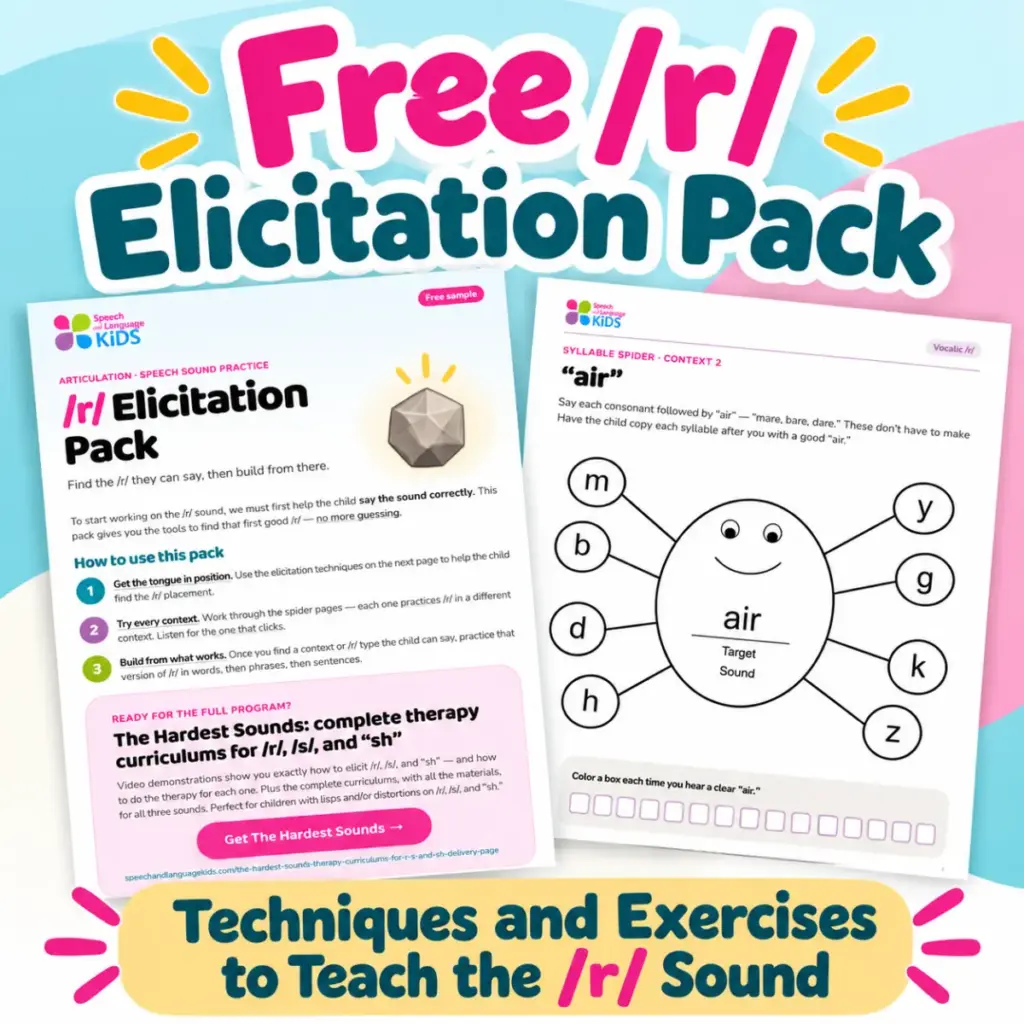
For parents, educators, and speech-language pathologists, few tasks in the realm of articulation therapy are as notoriously difficult as teaching a child or teenager to properly produce the /r/ sound. It is widely considered one of the most complex phonemes in the English language, presenting a unique set of physiological and instructional challenges that often leave students frustrated and clinicians searching for more effective methods. To address this persistent hurdle, new resources have been developed to provide a structured path toward successful sound elicitation.
The inherent difficulty of the /r/ sound lies primarily in its invisibility. Unlike sounds like /p/ or /b/, where the lips clearly come together, or even /t/ and /d/, where the tongue’s placement behind the teeth is relatively easy to observe, the /r/ sound is largely internal. It requires precise, subtle movements of the tongue—often involving complex shapes such as bunching or retroflexing—that happen deep within the oral cavity. Because the articulators are hidden from view, providing visual feedback to a student becomes a significant obstacle. When a child cannot see what their tongue is supposed to be doing, they must rely entirely on internal proprioception, which is often underdeveloped in younger learners.
Speech-language experts emphasize that before any progress can be made in incorporating the sound into conversational speech, or even into single words, the foundation must be laid through a process known as elicitation. Elicitation is the systematic approach to helping a student discover the correct tongue position and airflow required to produce a stable, consistent /r/ sound in isolation. Without this initial "anchor," attempts to move toward word-level practice often result in continued misarticulation or the development of compensatory errors that can be difficult to unlearn later.
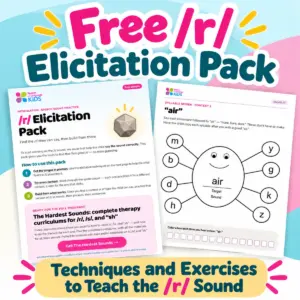
To bridge this gap, new professional resources have been released to assist those working on the front lines of speech development. A newly available /r/ Elicitation Pack provides a suite of techniques and exercises specifically designed to help clinicians and parents guide students through the critical initial phase of therapy. By focusing on isolating the sound, these materials aim to help students gain the muscular awareness necessary to produce the /r/ sound reliably. These tools are accompanied by instructional video content that demonstrates these strategies in real-time, offering a visual aid that addresses the traditional lack of visibility associated with the phoneme.

The introduction of these materials reflects a broader trend in speech therapy: the move toward highly specialized, curriculum-based approaches for sounds that prove resistant to standard intervention. While early childhood speech development often follows a predictable trajectory, the /r/ sound frequently remains an outlier, sometimes persisting well into the teenage years if not addressed with specific, targeted techniques. Experts note that as children age, the pressure to produce the sound correctly increases, making the need for clear, actionable, and accessible strategies more pressing.
Beyond the specific focus on the /r/ sound, there is a growing recognition that some phonemes require a more rigorous, comprehensive framework. In response to this, experts have expanded their focus to include a broader "Hardest Sounds" curriculum. This more expansive program is designed to tackle the trio of /r/, /s/, and "sh"—sounds that are frequently cited by clinicians as the most challenging to remediate in both clinical and home-based settings.
The rationale behind a formal curriculum for these specific sounds is to move away from trial-and-error methods. By providing a structured, step-by-step program, caregivers and therapists can ensure they are not missing developmental benchmarks or skipping essential phases of sound acquisition. For parents who are often tasked with continuing therapy practice at home, these structured modules serve as a vital guide, demystifying the technical aspects of speech production and providing a consistent language for the child to follow.
The availability of these resources arrives at a time when the demand for high-quality speech therapy support continues to rise. Whether in a school-based setting, a private practice, or a home environment, the ability to effectively teach complex sounds requires more than just general knowledge of speech patterns; it requires specific, evidence-based tools that can be tailored to the individual learner. The focus on /r/, /s/, and "sh" specifically acknowledges that these sounds require a higher level of motor planning than many others, and thus demand a more sophisticated instructional approach.

Clinicians who work with these materials highlight that the success of the intervention often hinges on the student’s ability to "feel" the sound. Since the /r/ sound involves a complex interaction of the tongue, soft palate, and vocal tract, the materials emphasize sensory awareness. By incorporating exercises that help a child distinguish between different tongue positions, the program aims to make the abstract nature of the sound more concrete. This multisensory approach is particularly helpful for children who have struggled with traditional auditory-only feedback.
As the field of speech-language pathology continues to evolve, the shift toward providing parents and practitioners with ready-to-use, structured resources is expected to grow. The /r/ sound, while challenging, is not insurmountable. With the right combination of clinical expertise, patience, and the appropriate tools for elicitation, many students are able to overcome the obstacles that once prevented clear speech. The focus remains on empowering the student to take control of their own articulators, turning the mystery of the /r/ sound into a manageable component of their expressive language skills.
For those currently navigating the complexities of articulation therapy, the primary takeaway is the importance of patience during the initial elicitation phase. Rushing to put the sound into words before it has been mastered in isolation is a common pitfall that can impede progress. Instead, the current emphasis is on mastering the fundamental position—the "how" of the sound—before layering on the complexity of linguistic structure. By utilizing specialized packs and curricula designed for these "hardest sounds," stakeholders can ensure that students have the best possible chance of achieving clear, consistent speech. As these tools become more accessible, the hope is that the frustration often associated with teaching the /r/ sound will be replaced by a more predictable and successful therapeutic experience.