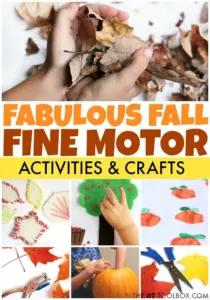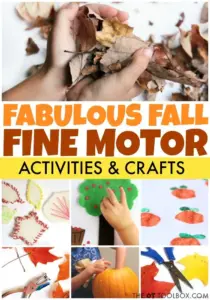








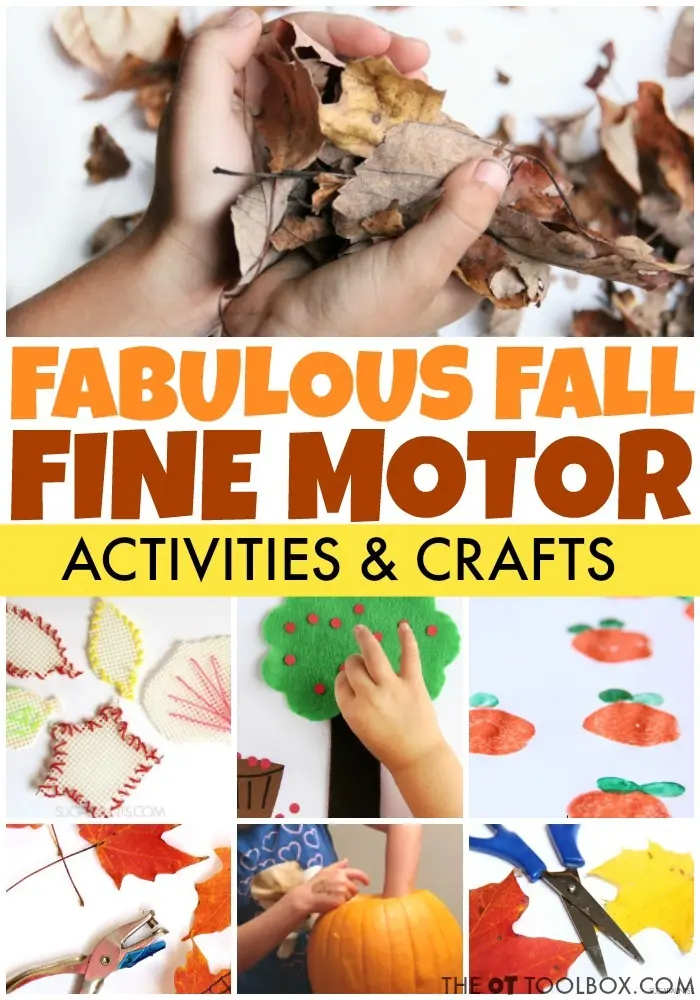
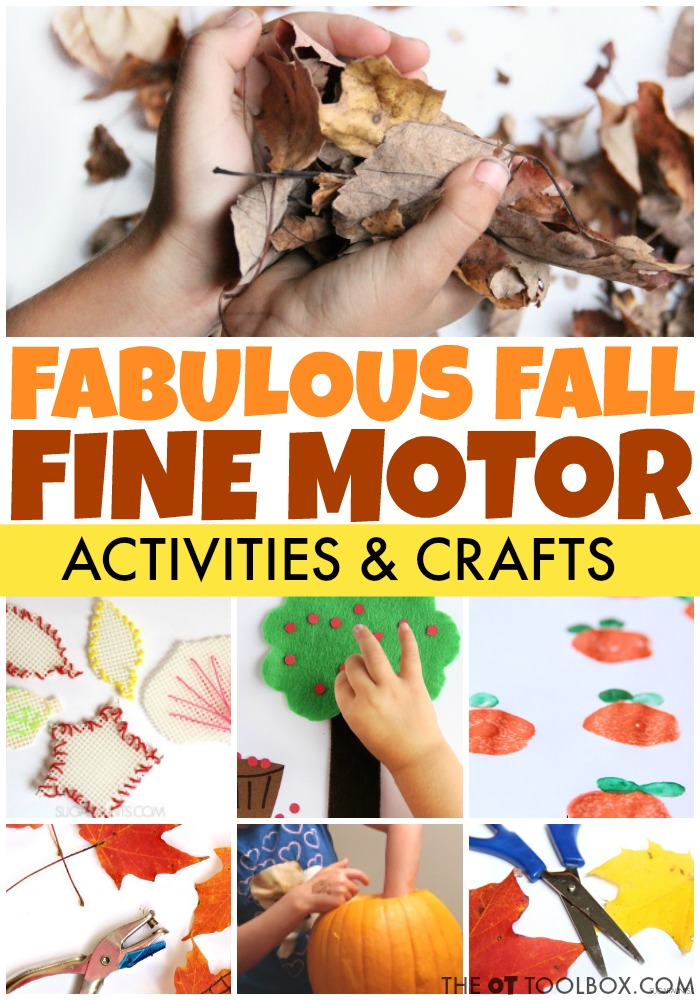
As the crisp autumn air arrives and leaves begin to transition into vibrant shades of red and gold, pediatric occupational therapists and educators are leaning into seasonal themes to support essential childhood development. A newly highlighted framework from The OT Toolbox outlines how classic fall elements—ranging from pumpkins and apples to acorns, leaves, and farm produce—can be strategically integrated into therapy sessions and classroom play to target foundational fine motor skills.
Rather than relying on seasonal crafts merely for entertainment, the newly detailed approach emphasizes the targeted application of autumn materials to address specific developmental needs. These include hand strength, finger dexterity, scissor proficiency, visual-motor integration, and handwriting capabilities. Many everyday fall activities naturally overlap across multiple skill areas, allowing therapists, educators, and parents to adapt exercises dynamically based on individual child assessments.
To support families and professionals navigating these developmental milestones, the resource highlights a variety of structured activities categorized by specific occupational therapy goals. The initiative also coincides with the availability of seasonal therapeutic resources, including sensory booklets and member-exclusive printables designed to encourage both fine and gross motor development through play.
Fall Hand Strength Activities
Building adequate hand and finger strength is crucial for children as they prepare for academic tasks such as writing, cutting, and managing clothing fasteners. Seasonal elements provide natural resistance that engages the small, intrinsic muscles of the hands without feeling like clinical work.
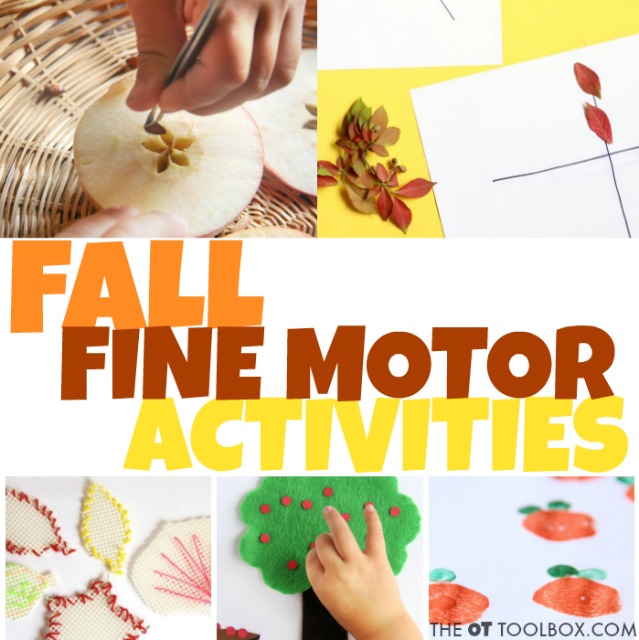
Among the featured strategies is the apple geoboard activity, where children stretch rubber bands across pegs to recreate specific apple designs. The physical resistance of pulling and positioning the bands exercises finger and hand strength while simultaneously fostering bilateral coordination, visual-motor planning, and controlled release. Therapists can easily adjust the difficulty of this exercise by substituting thicker, more resistant bands or simplifying the visual templates for younger participants.
Play dough also remains a staple across pediatric occupational therapy settings. Fall-themed variations incorporate tactile sensory challenges alongside proprioceptive feedback, encouraging rolling, squeezing, pinching, and pressing. Practitioners frequently embed small seasonal objects—such as miniature leaves, colorful autumn beads, or seasonal erasers—within the dough to encourage targeted grasping patterns and arch development. Similarly, apple-themed hole-punching exercises require sustained hand force while incorporating visual-motor targeting as children operate standard punches around the outlines of printed apple shapes.
Fall Dexterity and Manipulation Activities
Manual dexterity relies on speed, precision, visual-motor coordination, and localized strength, allowing children to move their fingers efficiently during intricate tasks. Fall manipulatives such as craft pom-poms, seeds, paper clips, and small craft materials transform simple sorting and counting exercises into effective dexterity training.
Using fall tree geoboards, children manipulate rubber bands around individual pegs, relying heavily on fingertip precision rather than whole-hand gripping. In paper clip counting exercises, students attach designated numbers of clips to laminated apple cards. This task encourages bilateral hand coordination—with one hand stabilizing the card while the other operates the clip—alongside number recognition and eye-hand coordination.
Additionally, transfer activities utilizing tongs or tweezers to move autumn-colored pom-poms into ice cube trays or muffin tins offer customizable fine motor challenges. The precision required can be easily graded by altering the size of the manipulatives or modifying the tools used to pick them up.
Scissor Skills and Visual-Motor Integration
Cutting tasks demand complex cooperation between both hands, with the dominant hand opening and closing the scissors while the non-dominant helper hand stabilizes, rotates, and guides the paper. Apple cutting practice pages and seasonal leaf-cutting exercises allow children to follow visual paths and practice line awareness. When real fall foliage is available, children can snip leaves into smaller pieces or trim around natural edges, engaging auditory processing and sensory exploration simultaneously.
Beyond basic cutting, fall-themed cut-and-paste crafts introduce executive functioning demands. Children must successfully cut out components, visually determine their correct spatial orientation, follow a multi-step assembly sequence, and apply glue precisely.
Visual-motor challenges are further addressed through fall-directed drawing, pattern blocks, and seek-and-find activities. Directed drawing prompts children to replicate seasonal shapes like pumpkins and acorns by observing a model and reproducing spatial relationships on paper. Meanwhile, "I Spy" pages encourage visual scanning, figure-ground discrimination, and sustained attention, which can be further enhanced by incorporating fine motor elements such as circling targets or marking them with clothespins.
Handwriting and No-Prep Options
Handwriting development is supported through contextual writing prompts rather than isolated letter drills. Printable fall writing prompts allow educators and therapists to tailor tasks to a child’s specific developmental stage, ranging from single-word formation for emerging writers to paragraph composition for older students. Focus areas can be adjusted dynamically to target line awareness, letter spacing, size, and endurance.
For educators and parents seeking immediate, no-prep interventions, everyday natural items offer substantial developmental value. Activities involving leaves—such as tearing, crumpling, punching, cutting, sorting, or stringing—alongside acorn transfers, clothespin tree balancing, and paper-clip matching provide accessible ways to reinforce fine motor capabilities throughout the autumn season.