








Federal officials have launched a major legal assault against ride-sharing giant Lyft, accusing the company and its drivers of routinely denying rides to passengers with disabilities in violation of federal civil rights laws. The U.S. Department of Justice is seeking millions of dollars in damages and sweeping operational overhauls, marking a dramatic escalation in federal enforcement efforts targeting the gig economy’s treatment of vulnerable travelers.
The lawsuit, filed this week in the U.S. District Court for the Northern District of California, alleges that Lyft is in direct violation of the Americans with Disabilities Act. The landmark federal law explicitly bars private transportation companies from discriminating against individuals with disabilities, ensuring they have equal access to commercial and public mobility options. According to federal prosecutors, however, the reality on the ground for many disabled passengers falls woefully short of these legal mandates.
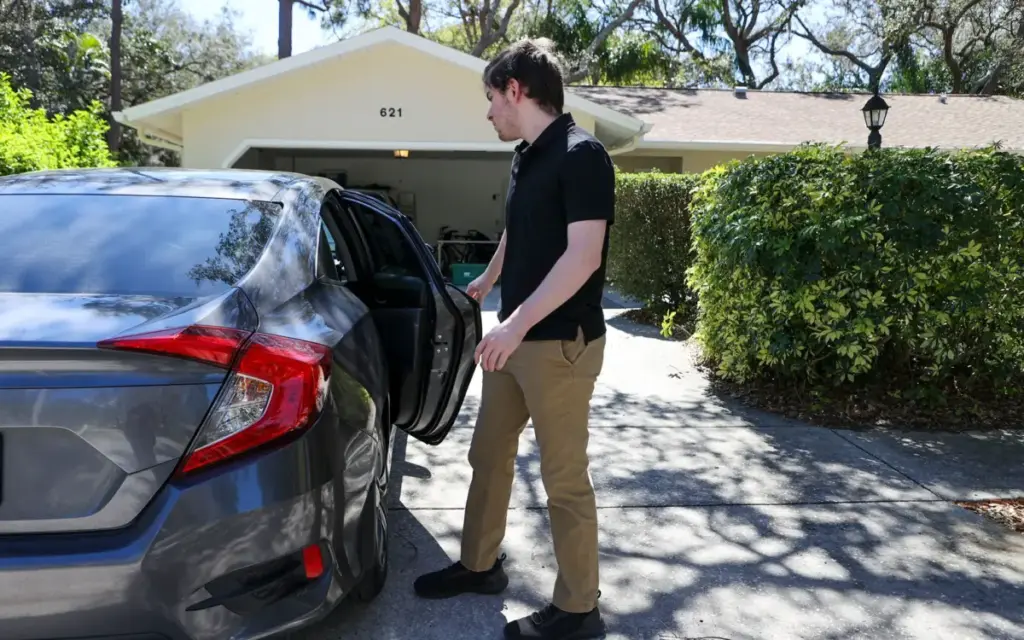
In the newly filed complaint, the Justice Department details a pattern of behavior in which Lyft drivers regularly refuse service to people with disabilities. This includes individuals traveling with trained service animals, as well as those carrying stowable wheelchairs, walkers, and other essential folding mobility devices. Compounding the initial discrimination, the lawsuit claims that Lyft penalizes the victims of these illegal denials by imposing cancellation fees and other surcharges when rides are abruptly called off by unaccommodating drivers.

Federal officials paint a troubling picture of passenger interactions, asserting that Lyft drivers frequently "insult and demean people with disabilities." Furthermore, the complaint alleges that the company’s internal customer service representatives compound the humiliation by asking disrespectful and intrusive questions when aggrieved passengers attempt to report the incidents.
The federal filing also highlights Lyft’s alleged refusal to modify its internal policies, operational practices, and day-to-day procedures to prevent discrimination. For instance, federal officials noted that drivers frequently denied reasonable accommodation requests, such as allowing a passenger with severe mobility challenges to sit in the front seat where they might have more legroom or easier access to the vehicle.
The legal action underscores the federal government’s broader commitment to enforcing civil rights protections in modern transportation networks. "Individuals with disabilities should be able to rely on ride-share services free of discrimination," said Jesus A. Osete, acting assistant attorney general in the Justice Department’s Civil Rights Division. "We intend to uphold the ADA’s promise that people with disabilities are entitled to equal access in every part of public life, including essential transportation services."
The lawsuit notes that the tensions between federal regulators and the ride-sharing platform are not entirely new. According to the complaint, the Justice Department previously notified Lyft of an ongoing investigation into its accessibility practices. Following that notification, Lyft introduced a voluntary in-app feature designed to allow riders to notify drivers in advance that they would be accompanied by a service animal. Despite the introduction of this feature, the lawsuit indicates that discrimination against individuals traveling with service animals persisted unabated.
Lyft has forcefully pushed back against the federal government’s claims, defending its platform policies and corporate culture. In an official statement released in response to the lawsuit, the company asserted its commitment to an inclusive community while maintaining that the allegations do not reflect its operational standards.
"We disagree with the Department of Justice’s allegations. Discrimination has no place in the Lyft community," the company said in its statement. "We have long-standing policies requiring drivers to accommodate riders who travel with service animals or use foldable mobility devices, and drivers who violate these policies face serious consequences, including permanent deactivation."
Lyft emphasized that it has taken concrete steps to support these policies through technology. "We’ve backed those policies with in-app tools, like letting riders tell drivers in advance that they’re traveling with a service animal and reminding drivers that refusing one is against the law," the company added, noting that it had engaged cooperatively with federal investigators throughout their review. "We’ve cooperated with the DOJ throughout its review and remain committed to serving every rider, including riders with disabilities."
The financial stakes in the lawsuit are substantial. The Justice Department is seeking $53 million in damages specifically designated for individuals with disabilities who have previously submitted formal complaints to either Lyft or the federal agency. In addition to financial compensation for affected riders, the lawsuit requests substantial civil penalties against the company.
Beyond financial remedies, the federal government wants the court to issue an injunction forcing Lyft to immediately cease all discriminatory actions. The agency is also pushing for mandatory structural changes to Lyft’s corporate policies, alongside comprehensive Americans with Disabilities Act training programs for both corporate staff and platform drivers to ensure future compliance.
This legal confrontation represents part of a wider pattern of regulatory scrutiny facing the app-based transportation industry. It is not the first time that the Justice Department has taken legal action against a prominent ride-sharing service over the civil rights of passengers with disabilities. Last year, the federal agency filed a similar lawsuit against Uber, bringing identical allegations of disability discrimination and pushing for systemic reforms within that competing network.
Lyft itself is no stranger to federal legal scrutiny on this specific front. In June 2020, Lyft reached a formal settlement agreement with the Justice Department over separate claims of disability discrimination. At that time, the company agreed to update its corporate policies to ensure that individuals relying on foldable wheelchairs, walkers, and other assistive devices were granted equal and unfettered access to rides across its platform. Now, federal prosecutors are returning to court, signaling that past settlements and voluntary app updates have not gone far enough to resolve what the government views as systemic civil rights violations within the company’s network.