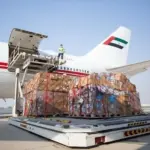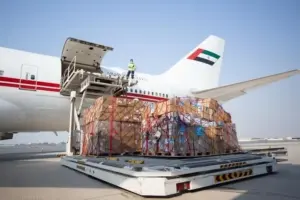




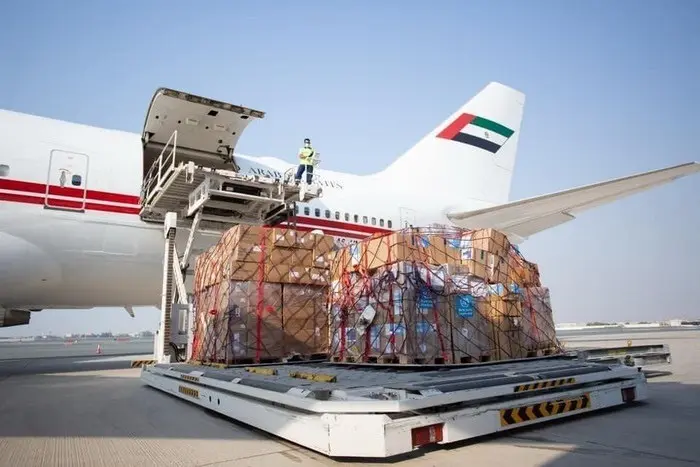
A plane carrying 20 tonnes of critical World Health Organization (WHO) medical supplies touched down in Beirut, Lebanon, this afternoon, marking a significant step in the international effort to support the victims of the massive explosion that rocked the city on August 4. The arrival of this aid provides a vital lifeline to a healthcare system currently reeling from the impact of the disaster, which has left thousands injured and infrastructure severely compromised.
The shipment, which includes essential medicines and trauma kits, is specifically calibrated to address the immediate clinical needs of those caught in the blast’s path. According to health officials, these supplies are sufficient to support 1,000 trauma interventions and 1,000 surgical procedures, targeting the specific needs of patients suffering from blast-related injuries, complex lacerations, and severe burns.
The operation was made possible through the rapid mobilization of global logistics networks. The supplies were airlifted from the WHO’s primary logistics hub in Dubai, utilizing an aircraft donated by the Government of the United Arab Emirates. The UAE’s contribution highlights its role as a cornerstone partner for the WHO in managing health emergencies, demonstrating the swift coordination required to deliver aid into a disaster zone where time is of the essence.
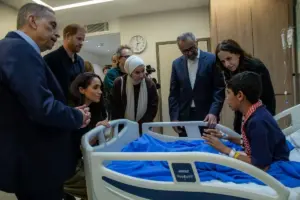
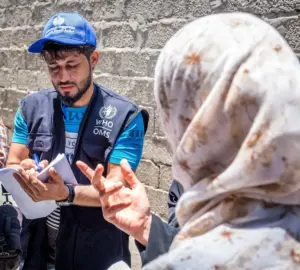
Dr. Iman Shankiti, the WHO Representative in Lebanon, expressed the gravity of the situation upon the arrival of the cargo. "Our hearts and prayers are with all those affected by this tragic event as we continue our mission to serve all people in Lebanon with life-saving and essential health care services," she stated. "We are working closely with national health authorities, health partners, and hospitals treating the wounded to identify additional needs and ensure immediate support."
The scale of the destruction caused by the August 4 blast has placed an unprecedented strain on Lebanon’s medical facilities. Preliminary assessments indicate that three major hospitals in Beirut have been rendered completely non-functional due to the blast, while an additional two facilities have sustained partial damage. This loss of physical infrastructure has created a critical gap in hospital bed capacity, forcing a chaotic and urgent redistribution of patients.
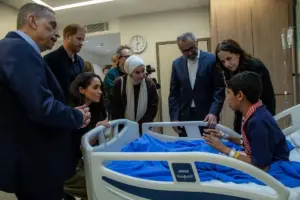
With local facilities in the capital overwhelmed by the sudden influx of casualties, medical teams have been forced to transfer patients to hospitals across the country. In a testament to the severity of the crisis, the wounded are being transported as far south as Saida and as far north as Tripoli. The WHO has confirmed that it will oversee the distribution of the 20 tonnes of supplies to these priority hospitals across the Lebanese territory, ensuring that the resources reach the front lines of the treatment effort.
The timing of this tragedy could not be more challenging. The explosion occurred as Lebanon was already navigating a precarious confluence of systemic crises. Before the blast, the nation was grappling with a period of intense civil unrest, a deteriorating economic landscape characterized by hyperinflation and poverty, and the ongoing public health battle against the COVID-19 pandemic. The heavy burden of supporting a large refugee population has also strained national resources, leaving the country’s social and medical safety nets fragile.
The legendary resilience of the Lebanese people, often noted in the face of regional instability, is currently being tested to an extreme degree. The intersection of these crises means that the medical response cannot focus solely on blast victims; the healthcare system must simultaneously maintain the continuity of essential services, including the management of the COVID-19 outbreak. Both the Lebanese Ministry of Public Health and the WHO have identified the protection of the most vulnerable populations as a primary focus during this recovery phase.
The international community, led by the United Nations, has moved quickly to provide a coordinated response. Dr. Najat Rochdi, the UN Resident Coordinator in Lebanon, emphasized the necessity of a unified effort in the wake of the disaster. "With the emergence of new challenges due to the latest devastating event, the United Nations in Lebanon and partners have been mobilized to provide immediate humanitarian assistance to the Lebanese people in support of the Government’s response to this tragedy," Dr. Rochdi said. "We are in this together, and we are committed to supporting Lebanon in this very difficult time."
The logistics of the aid delivery involve complex coordination between the UN, the Lebanese government, and international donors. As the supplies move from the tarmac at Beirut’s airport to the wards of hospitals scattered across the country, the priority remains the stabilization of the injured. Doctors and nurses, many of whom are themselves dealing with the trauma of the blast or personal losses, continue to operate under extreme duress to clear surgical backlogs and provide post-operative care.
For the WHO, the current focus is not just on the immediate delivery of trauma kits, but on a sustainable response that prevents the collapse of the wider health sector. The loss of hospital capacity is particularly devastating because it limits the ability of the country to manage everyday medical emergencies, elective surgeries, and chronic disease management, in addition to the surge in blast-related trauma.
The distribution strategy for the new supplies is being developed in real-time. By monitoring which hospitals are receiving the highest volume of patients, the WHO aims to ensure that no facility runs out of the materials necessary to perform life-saving interventions. This granular approach to supply chain management is vital, as the disruption to local transport and communication infrastructure in the aftermath of the explosion has made the movement of medical goods more difficult than under normal circumstances.
As the international community continues to monitor the situation, the arrival of the UAE-donated flight serves as a symbolic and practical reminder of the solidarity directed toward Lebanon. The recovery process, however, is expected to be lengthy. The intersection of economic hardship and infrastructure damage means that the rebuilding of the healthcare sector will likely require sustained support from the global community long after the initial emergency phase passes.
For now, the immediate priority remains the surgical and trauma care for those who survived the blast. The 20 tonnes of supplies represent a vital injection of resources into a system that was effectively pushed to its breaking point within a matter of minutes. While the path forward for Lebanon remains uncertain, the arrival of these medical necessities provides a tangible contribution to the survival and recovery of the citizens caught in the wake of this historic tragedy. The WHO, alongside the UN and other international partners, continues to assess the situation on the ground, standing ready to facilitate further support as the full scope of the nation’s needs becomes clearer in the coming days and weeks.