








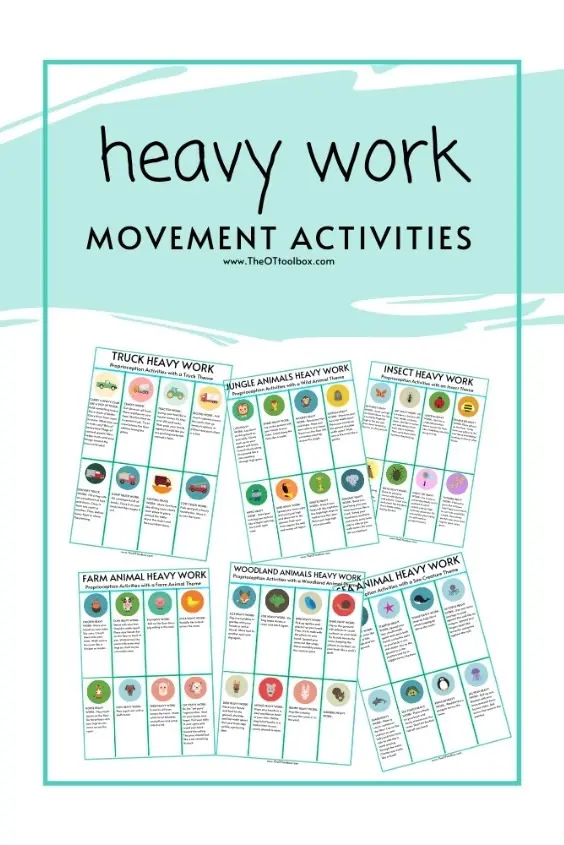
In classrooms, living rooms, and therapy clinics worldwide, parents, educators, and pediatric specialists continually navigate the challenges of children who struggle with self-regulation, attention, and sensory processing. While temper tantrums, meltdowns, and difficulties with classroom focus are often viewed merely as behavioral issues, occupational therapists emphasize that these moments frequently stem from a dysregulated nervous system. According to pediatric experts, one of the most powerful and accessible tools available to help children achieve a calm, focused state is a concept known as "heavy work."
Heavy work refers to any activity that requires physical effort from the muscles and joints, engaging the proprioceptive system through movements such as pushing, pulling, lifting, jumping, and chewing. These actions create resistance that sends essential feedback to the brain, helping to organize the nervous system and restore emotional and physical balance.
For children and adults alike, heavy work acts as a universal regulator. When incorporated into daily routines—whether through structured classroom breaks, household chores, or outdoor play—these proprioceptive inputs help even out disturbances in other sensory systems. They can safely increase energy levels when a child is lethargic or calm high-energy behaviors when a child is overwhelmed, ultimately paving the way for improved participation in daily tasks.


What is Heavy Work and How Does the Proprioceptive System Work?
The physiological foundation of heavy work lies within the proprioceptive system, a complex network of sensory receptors located in the muscles, joints, and ligaments. When a child engages in tasks that involve pushing against resistance, lifting heavy objects, or climbing playground equipment, these receptors send messages back and forth to the brain regarding body position and muscle tension.
The brain processes this information to determine the exact amount of force required for a given physical task. This continuous feedback loop is what builds body awareness, allowing children to understand where their bodies are in space and how to grade their movements. For example, a well-regulated proprioceptive system enables a child to gently hold a fragile object or successfully lift a heavy backpack without second-guessing their physical output.
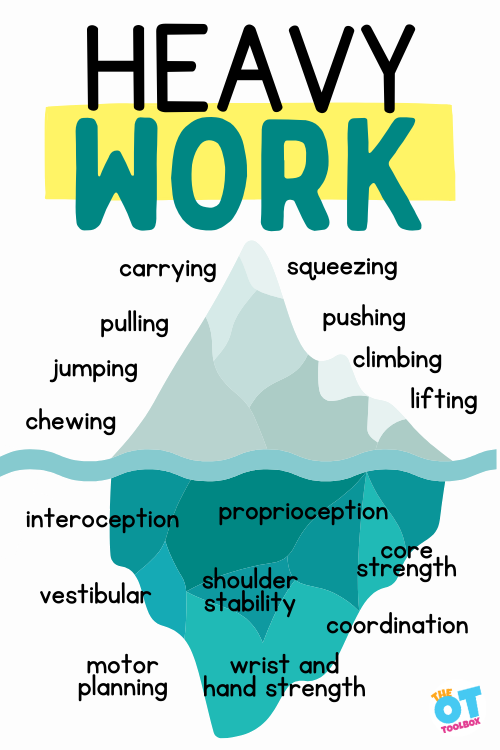
Experts note that heavy work is unique because its underlying components function much like an iceberg. While the visible actions—such as carrying a basket of laundry or pushing a weighted cart—are easy to observe above the surface, a complex array of underlying neurological and motor planning skills operates beneath the water. These unseen components are what allow physical exertion to translate into neurological organization, making heavy work an indispensable strategy for self-regulation.
When and How to Implement Heavy Work Strategies
The true advantage of heavy work activities lies in their versatility. They require very little specialized equipment, can be adapted to fit almost any environment, and are easy to integrate into established daily routines at home, in schools, or during clinical therapy sessions.
Specialists recommend weaving heavy work into natural transition points throughout the day. Introducing heavy work tasks in the morning can help prepare a child for the demands of the school day, while afternoon sessions can ease the transition from school back home. Furthermore, incorporating calming proprioceptive input into evening routines can help signal to the nervous system that it is time to wind down for rest.
While every child has a unique sensory profile and will respond differently to various types of input, adults can guide their approach by observing which activities a child naturally enjoys and finds most soothing. Activities range from simple wall push-ups and chair push-ups in the classroom to animal walks, yoga poses, and outdoor yard work.

Categorizing Heavy Work: Pushing, Pulling, Jumping, and Lifting
Heavy work activities are generally categorized by the specific type of muscle engagement and joint compression they provide. Pushing and pulling activities, for instance, engage the large muscle groups of the upper and lower extremities as well as the core stability muscles. Examples include pushing a weighted wagon, playing tug-of-war, or moving heavy furniture under supervision.
Jumping activities introduce heavy work through the hips, knees, and ankles. Whether bouncing on a trampoline, performing star jumps, or participating in active jumping games, these movements provide organizing sensory input that can quickly reset a restless child.

Lifting and carrying weighted items—such as stacks of books, heavy backpacks, or baskets of laundry—utilize both external weights and the child’s own body weight to stimulate the proprioceptive receptors. Additionally, oral-motor exercises involving heavy work through chewing and sucking can provide deeply calming input through the jaw, tongue, and neck muscles, offering an alternative regulatory mechanism for children who seek oral sensory input.
Expanding Sensory Strategies for Seasonal Transitions and Daily Life
As children transition away from structured school schedules into periods like summer vacation, maintaining sensory regulation can become more challenging. Changes in routine, combined with an increase in screen time, can sometimes lead to heightened sensory dysregulation. While digital devices may offer temporary distraction, experts note that excessive screen time can exacerbate difficulties with attention and self-regulation.

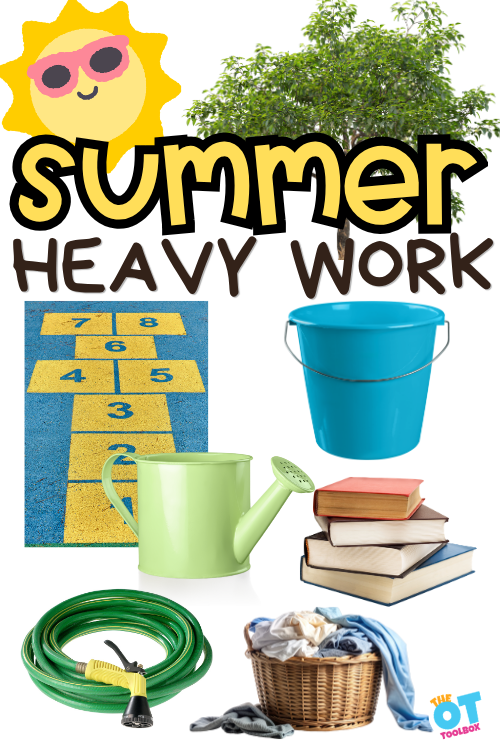
To combat this, specialists recommend leveraging seasonal changes to build a robust "sensory lifestyle"—a concept that integrates regular sensory diets into everyday activities. During warmer months, outdoor environments provide natural opportunities for heavy work through yard work, gardening, swimming, and backyard play. Simple outdoor chores, such as pulling a garden hose, weeding, carrying watering cans, or pushing a lawnmower, double as effective proprioceptive warm-ups before children engage in free play.
Similarly, community outings and household chores can be reframed as opportunities for motor skill development and emotional regulation. By embedding heavy work into daily responsibilities, play, and family routines, caregivers can support a child’s neurological needs while keeping them active, engaged, and balanced throughout the year.