




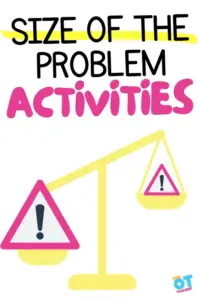


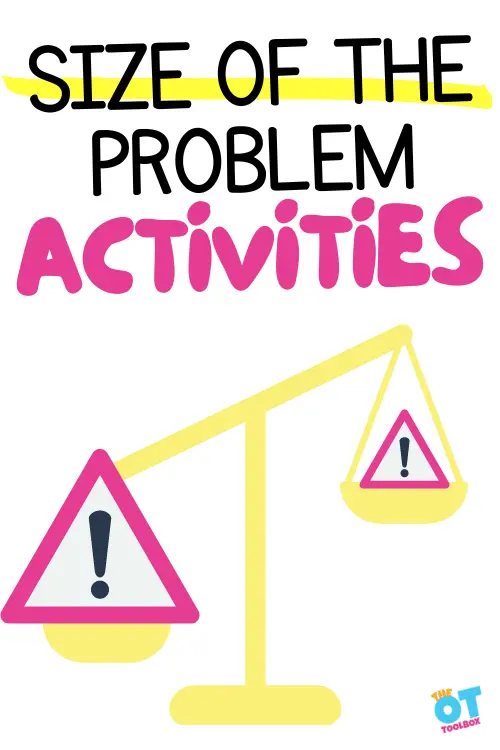
WASHINGTON — Educators, therapists, and parents are increasingly turning to a social-emotional learning concept known as "The Size of the Problem" to help children navigate daily challenges, build resilience, and develop critical executive functioning skills. Designed to bridge the gap between emotional responses and actual situations, the strategy teaches children to evaluate the magnitude of everyday hurdles and match their reactions accordingly.
The approach combines self-regulation, executive function, and metacognition. Experts note that while children frequently encounter unexpected obstacles—ranging from minor inconveniences like dropping a crayon to significant life events such as family emergencies—they often struggle to gauge how much emotional energy a given situation requires. By learning to categorize problems by size, children can develop essential perspective-taking, self-awareness, and problem-solving skills that serve them both in the classroom and at home.
How the "Size of the Problem" Framework Works
At its core, the concept is designed to help children visualize the scale of their difficulties so they can formulate an effective game plan. Emotional regulation and executive functioning develop over a long period, and identifying a problem, finding an appropriate regulation strategy, and implementing it takes time and practice.
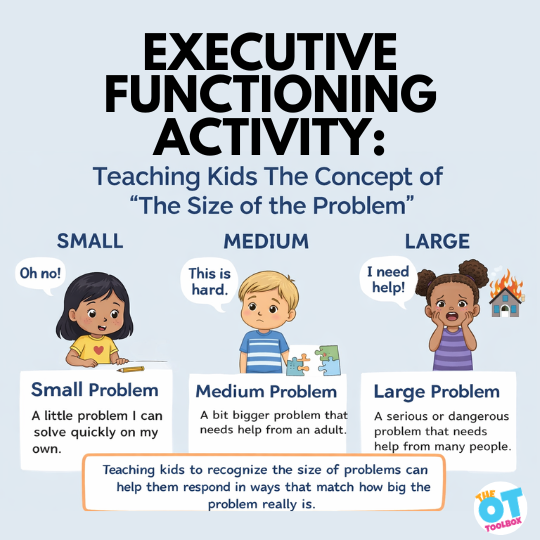
The framework generally divides challenges into three distinct categories: small, medium, and big problems. Small problems are typical day-to-day inconveniences that can usually be resolved quickly and independently. Examples include dropping a pencil, misplacing a television remote, or momentarily needing a specific ingredient for a recipe. These situations typically call for minimal reactions and simple, independent problem-solving strategies.
Medium problems involve situations that may require assistance from an adult or a peer, though they do not constitute emergencies. Scenarios might include a minor disagreement with a friend at recess or running behind schedule and risking missing a school bus. While these events can cause disappointment, frustration, or minor upset, they are generally manageable through communication and moderate support.
Big problems, by contrast, involve safety concerns, emergencies, or significant life events. These critical situations require immediate adult assistance, comprehensive emotional support, and intensive coping strategies.
Implementation Across Home and School Settings
The adaptability of the framework makes it popular across various environments, including classrooms, therapeutic practices, and households. In a home setting, everyday disruptions—such as a misplaced item required for a school activity or running late for the morning commute—provide natural opportunities for co-regulation. Parents can guide children through mood and affect modulation, helping them process frustration rather than dismissing their feelings.
Similarly, educational settings utilize emotions check-ins and calm-down areas to address challenges like missing assignments or social friction among peers. These moments serve as practical lessons in time management, responsibility, and social-emotional development. Educators emphasize that the goal is not to invalidate a child’s feelings when a minor inconvenience occurs, but rather to acknowledge their emotional response and subsequently offer constructive tools for the future.
Supporting Social-Emotional Learning and Emotional Vocabulary
Proponents of the framework stress that teaching children to assess problem sizes directly supports broader social-emotional learning goals. By connecting emotions, thoughts, and behaviors, children learn that it is acceptable to experience big feelings while still maintaining control over their reactions. This approach encourages flexible thinking and helps children expand their emotional vocabulary. Instead of relying on broad terms like "mad," children learn to articulate specific emotional states, enabling them to communicate their needs more effectively and select appropriate coping mechanisms.
Books, visual charts, and scenario-based discussions are frequently used to reinforce these concepts. Through structured practice, students learn to sort hypothetical or real-life problems into the appropriate categories and discuss expected reactions. This methodology is particularly beneficial for younger students, elementary learners, and children receiving school-based counseling or occupational therapy support.
From an occupational therapy perspective, mastering the size of a problem extends far beyond basic behavioral management. It involves complex cognitive processes, including executive functioning, emotional regulation, perspective-taking, and self-monitoring. As children gain proficiency in evaluating challenges and choosing corresponding responses, they build the confidence necessary to navigate daily life, maintain positive peer relationships, and succeed academically.