







For parents, caregivers, and speech-language pathologists, the journey of helping a child find their voice is often fraught with complexity. Every child develops at a different pace, and navigating the nuances of language acquisition requires not only patience but also a clear, evidence-based roadmap. A new suite of functional communication curriculums has been introduced to address this need, providing a systematic approach designed to empower children—even those just beginning to discover their ability to express their wants, needs, and ideas.
The core mission of these newly unveiled resources is to bridge the gap between abstract therapeutic goals and real-world application. By offering structured, ready-to-use plans, the program aims to make each therapy session more meaningful while ensuring that developmental progress is both observable and measurable. The initiative emphasizes that communication is the foundation of connection, and by providing children with the right tools, caregivers can help them engage, request, protest, and share their internal worlds with others.
A Multidimensional Approach to Language Acquisition
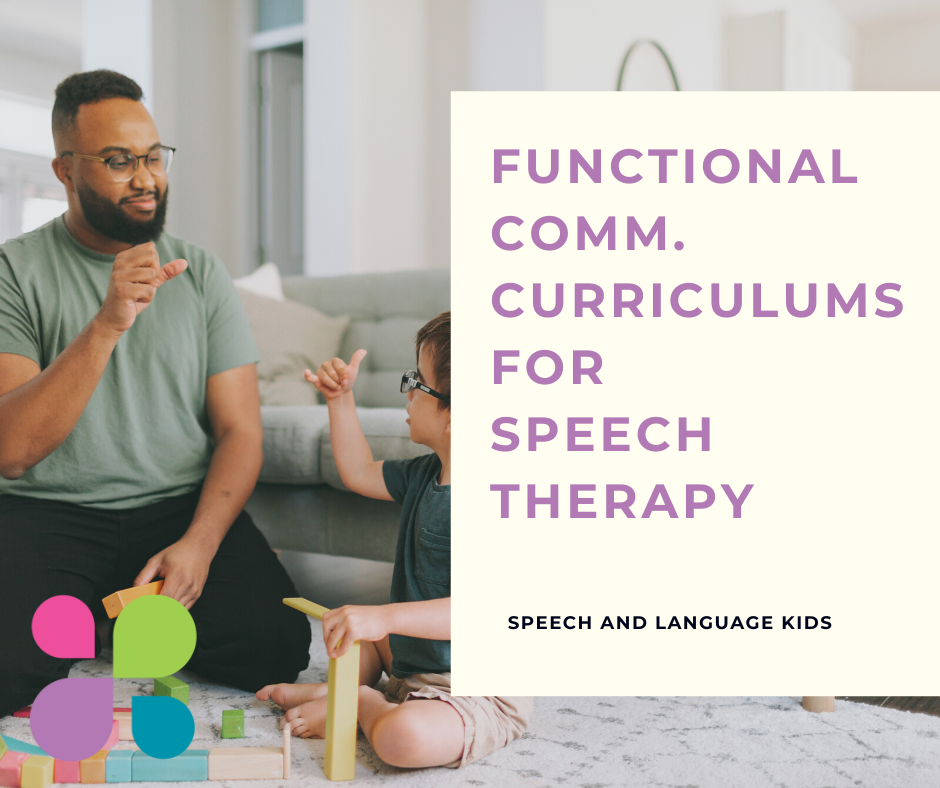
The curriculum is structured around four distinct pillars, each tailored to different developmental profiles and communication styles. This modular design recognizes that no two children follow the same path, and by segmenting the training into specific tracks, the program allows for a more personalized intervention strategy.

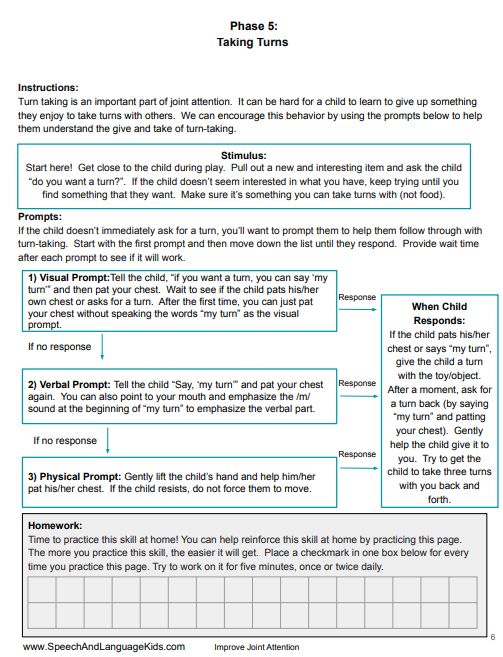
The "Early Interactions Curriculum" serves as a foundational track, focusing on the essential building blocks of social connection. Designed for children and teens who are in the early stages of engagement, this program guides users through a clear, systematic pathway to build social interaction skills with confidence. The curriculum is divided into three levels: a beginner stage focused on building awareness and engagement, an intermediate stage centered on understanding and responding to communication, and an advanced stage dedicated to expanding social participation. While these levels are loosely aligned with typical developmental milestones—ranging from 9 months to 3 years—the program is designed to be adaptable for older children and teens who may still be developing these fundamental skills.

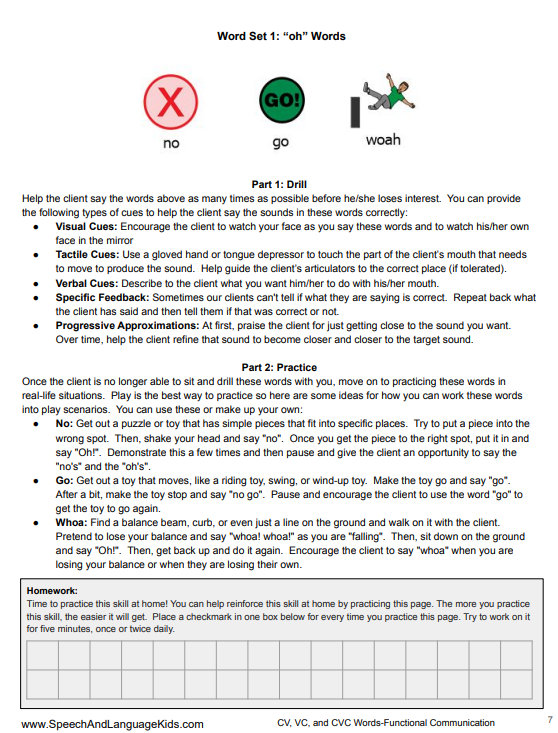
Parallel to this is the "First Words Curriculum," which is specifically engineered for analytic language processors. This no-prep, systematic program provides the essential building blocks for functional communication, helping children gain the confidence to express themselves. Like the Early Interactions track, this program is also split into three levels. It begins by encouraging the production of first words, moves into developing early word shapes, and culminates in the expansion of vocabulary and the ability to combine words into more complex expressions. By providing a clear progression, the curriculum aims to take the guesswork out of speech therapy, allowing educators and parents to focus on the child’s unique pace of development.
Honoring Neurodiversity in Language Development
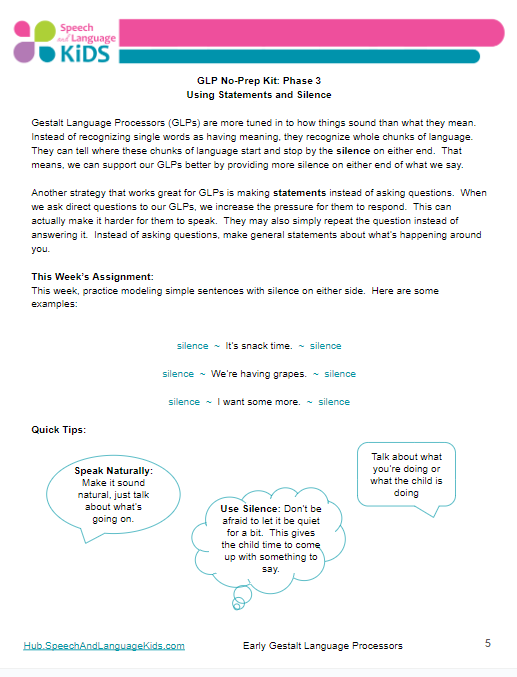
One of the most significant aspects of this release is the dedicated "Shaping Echolalia Curriculum," designed specifically for gestalt language processors. This program represents a shift toward a neurodiversity-affirming approach, recognizing that echolalia—the repetition of phrases or sounds—is often a natural stage in language development rather than a deficit to be corrected.
Instead of pathologizing this behavior, the curriculum works with the child’s natural tendencies, guiding them toward more flexible, self-generated speech. The program leads the learner from the use of early gestalts, through the process of "mitigation," and finally toward the development of independent, self-generated language. By honoring the way these children naturally acquire language, the curriculum provides a respectful and effective framework that is increasingly recognized as vital in modern speech therapy practices.
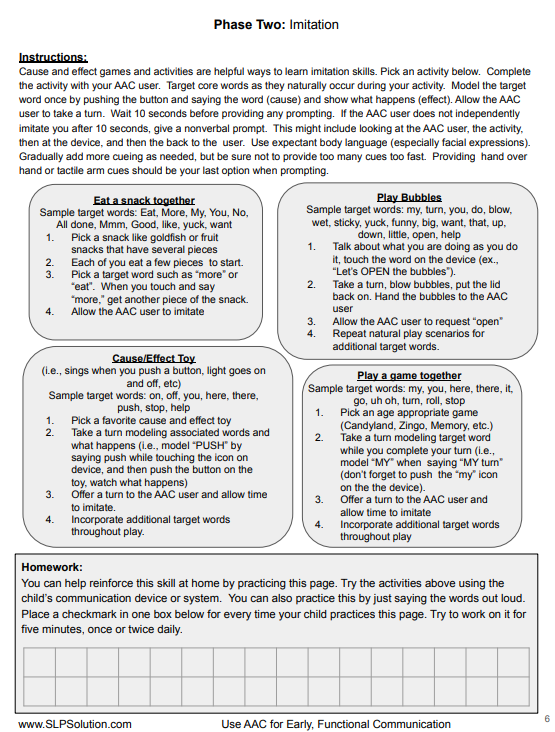
For children who require additional support, the "Augmentative/Alternative Communication (AAC) Curriculum" offers a comprehensive roadmap for those utilizing external communication tools. This track provides a structured method for teaching AAC use, ensuring that children can achieve functional and independent communication. By focusing on moving from basic communication to complex, independent functional use, the program supports children as they transition from initial AAC implementation to more nuanced social interaction.
Empowering Caregivers and Clinicians
The introduction of these curriculums comes at a time when many professionals and parents are feeling the strain of intensive therapy planning. The overarching philosophy behind this resource is that while every child’s communication journey is unique, the professionals and families supporting them do not need to reinvent the wheel for every case.
By centralizing these evidence-based strategies into a single, accessible platform, the initiative aims to reduce the administrative burden on clinicians. When therapists and parents spend less time planning, they have more capacity to engage directly with the children they are helping. This shift in focus is expected to lead to faster, more sustainable progress, as consistent, structured intervention is consistently shown to yield better outcomes in speech and language development.
The program is designed to be highly accessible, with instant access options that allow users to integrate these tools into their existing routines immediately. The emphasis is on practicality; the developers have prioritized evidence-based methods that can be implemented in therapy clinics, at home, or during daily routines. The goal is to make the entire process of communication development less intimidating and more collaborative.
The Impact of Clear Planning
The significance of a clear, structured plan cannot be overstated in the field of speech-language pathology. When children are provided with a consistent framework, their ability to communicate—and consequently their confidence—often improves significantly. The developers behind the curriculum emphasize that when children begin to communicate their wants and needs effectively, it acts as a catalyst for growth across all areas of their lives.
To further support those using these tools, the program includes a range of additional resources, including educational content and insights shared through podcasts and supplementary materials. These resources aim to foster a deeper understanding of the "why" behind the "how," ensuring that those implementing the curriculum feel empowered and informed. By providing a blend of technical strategy and practical advice, the initiative seeks to create a supportive community for those working with children with diverse communication needs.
As the field of speech therapy continues to evolve, the integration of structured, flexible, and neurodiversity-affirming curriculums is likely to become an increasingly important standard. By providing a roadmap that respects the individuality of every child while adhering to proven therapeutic principles, these resources offer a meaningful step forward in the pursuit of helping every child find their voice. The program, which is available with flexible subscription options, underscores a fundamental belief: with the right tools and a clear plan, the barriers to communication can be lowered, allowing children to connect more deeply with the world around them.