








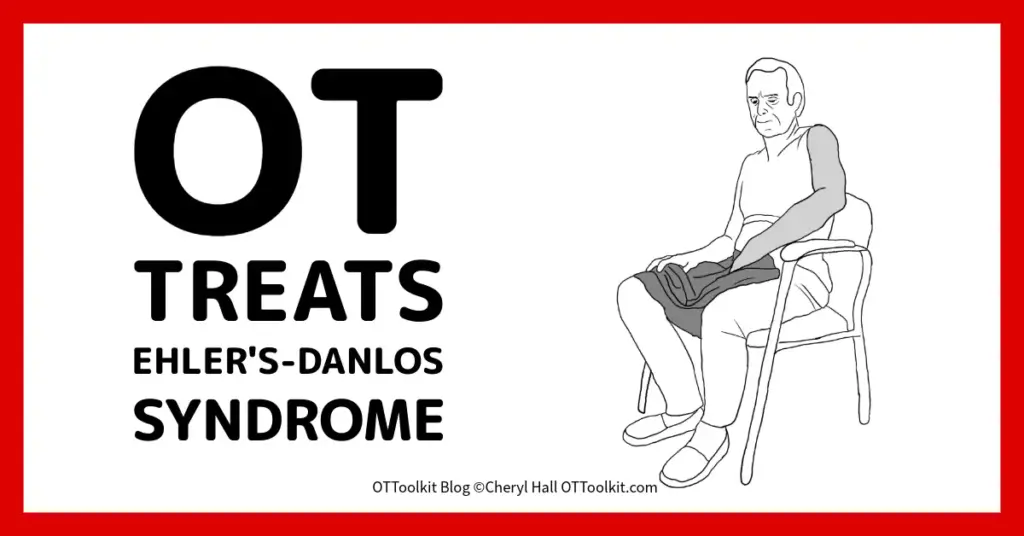
The collaborative nature of the occupational therapy community is one of its greatest strengths, fostering a culture of continuous learning and resource development that directly benefits patient care. Recently, that spirit of cooperation was highlighted when an occupational therapist practicing in Tennessee reached out to Cheryl Hall, the creator of the Occupational Therapy Toolkit, with a poignant observation. A patient under their care, living with the complexities of Ehlers-Danlos Syndrome (EDS), had noted a significant absence: there was no dedicated treatment guide for their condition within the widely used Occupational Therapy Toolkit.
This inquiry serves as a vital reminder of how niche or rare conditions often go underserved in standard clinical literature. Recognizing the validity of this gap, Hall has announced that she will be incorporating a comprehensive EDS treatment guide into the next edition of her resource, acknowledging that while she had not treated a patient with this specific diagnosis during her own clinical career, the potential for occupational therapy to transform the lives of those with EDS is profound. By providing structured, evidence-based strategies, therapists can play a crucial role in easing symptoms, fostering independence, and significantly enhancing the overall quality of life for this patient population.
As the 8th edition of the Occupational Therapy Toolkit was only recently released in 2024, the inclusion of the new EDS guide is slated for future updates. In the interim, this announcement serves as a platform to discuss the essential role of occupational therapy in managing Ehlers-Danlos Syndrome, a condition that requires a multifaceted and highly individualized clinical approach.
Ehlers-Danlos Syndrome is a group of rare, hereditary connective tissue disorders that fundamentally impact how the body synthesizes and utilizes collagen, the protein responsible for providing structure and strength to skin, blood vessels, bones, and organs. Medical experts have currently identified 13 distinct types of EDS, each with unique genetic underpinnings and clinical manifestations. Despite this variety, the hallmark symptoms that often bring patients into the occupational therapy clinic include persistent joint hypermobility, chronic joint instability, and localized pain. The condition also manifests through dermatological fragility, characterized by skin that stretches, tears, or bruises with minimal trauma. Beyond the physical manifestations at the joint and skin level, EDS is frequently accompanied by systemic challenges, such as profound fatigue, dizziness upon standing—often associated with dysautonomia—and a variety of gastrointestinal concerns.
Occupational therapists are uniquely positioned to address these challenges because their practice focuses on the intersection of physical function, daily activity, and environmental interaction. When treating patients with EDS, the clinical focus often centers on stabilization and conservation.
One of the primary pillars of intervention is joint protection. Because hypermobility can lead to frequent subluxations or dislocations, OTs work extensively to mitigate painful hyperextension. This is achieved through a combination of patient education regarding safe movement patterns, task modification to reduce mechanical stress on vulnerable joints, and the clinical design and fitting of custom or off-the-shelf splints. By providing structural support, therapists can help patients perform daily activities with less risk of injury and reduced chronic pain.
Energy conservation is another cornerstone of care for those with EDS. Chronic fatigue is a debilitating aspect of the syndrome, often exacerbated by the body’s constant effort to stabilize joints and manage systemic inflammation. Occupational therapists collaborate with patients to develop sophisticated pacing and planning strategies, ensuring that energy expenditures are balanced throughout the day. By analyzing the demands of a patient’s routine, OTs can introduce task modifications that allow for greater endurance, ensuring that patients can engage in meaningful activities without triggering a "crash."
Furthermore, the application of adaptive equipment serves as a bridge to independence. Beyond specialized splinting for joint protection, therapists may recommend a range of assistive devices tailored to fall prevention and community mobility, ensuring that the patient can navigate their home and public spaces safely. Ergonomics also plays a critical role in the therapeutic plan. OTs evaluate the patient’s home, school, or work environments to identify and correct setups that might exacerbate strain. This might involve recommending specialized furniture, ergonomic software, or adjustments to workstation heights that limit repetitive motion and prevent the micro-traumas that can accumulate in an EDS-affected body.
A less discussed but equally important area of intervention involves proprioception. Because of the inherent hypermobility associated with EDS, patients often experience a diminished ability to sense their body’s position, movement, and location in space—a phenomenon known as proprioceptive deficit. This lack of feedback can lead to clumsiness or over-extension of joints. Occupational therapists employ targeted, therapeutic exercises designed to heighten proprioceptive awareness, which helps the patient protect their own joint health through better motor control and safer movement habits.
It is also important to recognize that EDS rarely exists in a vacuum. Patients frequently navigate a constellation of co-occurring symptoms, including severe sleep disturbances, mental health challenges related to chronic illness, persistent migraines, gastrointestinal issues, and various autoimmune responses. The role of the occupational therapist is to provide a holistic framework for managing these complexities, offering interventions that help the patient regain a sense of agency over their health and daily routine.
While the Occupational Therapy Toolkit awaits the formal addition of a dedicated EDS treatment guide, the existing resources within the collection already offer substantial value for practitioners. The toolkit currently contains a wealth of materials that can be adapted for the EDS population, including extensive treatment guides, activity of daily living (ADL) and mobility handouts, educational materials, and therapeutic exercise protocols. These resources are designed to be flexible, allowing therapists to customize their approach to the specific needs of a patient, whether they are working on joint stabilization or managing the cognitive load of a chronic diagnosis.
For clinicians seeking to deepen their understanding of this complex condition, The Ehlers-Danlos Society stands as a primary resource. Their digital platform offers a comprehensive array of materials for healthcare professionals, including continuing education modules, current clinical research, and a global directory of medical specialists who possess expertise in the diagnosis and management of EDS. Engaging with such resources ensures that therapists remain at the forefront of best practices, providing the most effective care possible.
The proactive response to this inquiry underscores the importance of the feedback loop between the practicing clinician and the developers of clinical resources. By listening to the needs of the community, resources like the Occupational Therapy Toolkit remain relevant and clinically sound. Cheryl Hall continues to encourage this open dialogue, welcoming suggestions from therapists across the country. Those with ideas for new content or improvements to existing materials are encouraged to reach out directly via email. This collaborative approach not only ensures the continued evolution of professional tools but, more importantly, ensures that patients with rare conditions like Ehlers-Danlos Syndrome receive the informed, compassionate, and effective care they deserve.