






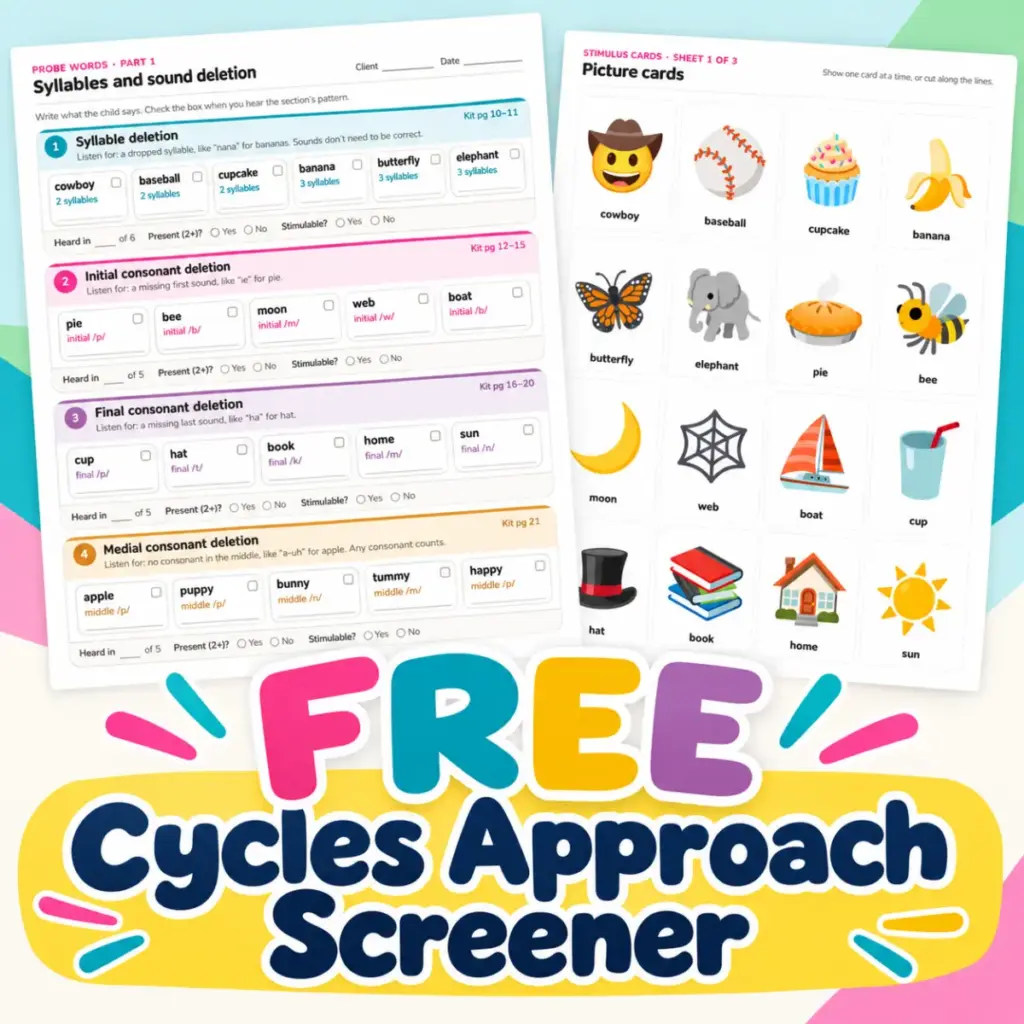
For many Speech-Language Pathologists (SLPs), the daily reality of clinical practice is often defined by a fragmented approach to resource management. Faced with the pressure to deliver high-quality, measurable outcomes for diverse caseloads, professionals frequently find themselves scouring digital marketplaces like Teachers Pay Teachers, cobbling together disparate worksheets, activity packets, and instructional strategies. This "patchwork" methodology, while born out of a necessity to adapt to individual student needs, often leads to administrative fatigue, inconsistent progress tracking, and a significant drain on the time clinicians should be dedicating to direct patient care.
Addressing this systemic challenge, the organization Speech and Language Kids (SLK) is positioning itself at the forefront of a movement to professionalize and standardize the delivery of speech and language therapy. By shifting away from the ad-hoc accumulation of resources, SLK is promoting a paradigm shift toward comprehensive, structured, and evidence-based curriculum models. The organization’s primary mission is to alleviate the cognitive and logistical load on clinicians, thereby allowing them to focus on the essential human element of therapy: the connection between the therapist and the child.
At the core of this initiative is the SLK Curriculum, a platform designed to replace the fragmented search-and-gather approach with a cohesive, step-by-step framework. By providing organized therapy plans, the curriculum aims to make the teaching of communication skills not only more efficient but inherently more effective. The move is designed to support SLPs who are struggling with the dual burden of high caseload volumes and the administrative demands of planning sessions from scratch. Instead of spending evening hours curating individual activities, clinicians using structured programs can leverage pre-vetted, sequenced therapy paths that guide them from the initial assessment phase through to the mastery of specific communication milestones.

The impact of this approach extends beyond mere convenience. When clinicians are supported by a clear, logical structure, they are better equipped to monitor progress, adjust interventions in real-time, and maintain a high level of engagement with their clients. For thousands of SLPs who have already integrated these structured programs into their daily practice, the transition has often resulted in a renewed sense of purpose and a deeper satisfaction with their professional roles. By mitigating the "burnout" factor often associated with the constant pressure to innovate new materials for every session, the SLK model allows professionals to focus their energy on the nuanced art of therapy rather than the mechanics of material sourcing.
Beyond the curriculum itself, the organizational philosophy at Speech and Language Kids emphasizes the importance of a supportive professional community. In the highly specialized field of speech-language pathology, practitioners often work in relative isolation, particularly those operating in school-based settings or private practice. The SLK ecosystem serves as a connective tissue for these professionals, fostering an environment where ideas, challenges, and successes are shared. This sense of belonging is a key component of the organization’s strategy, as it recognizes that clinical excellence is not just a product of the right materials, but also the right professional support system.
However, the organization is clear that its work is far from finished. The field of speech-language pathology is constantly evolving, influenced by new research, changing educational standards, and advancements in digital technology. Recognizing this, the leadership at Speech and Language Kids has committed to a continuous cycle of innovation. They are actively building and refining new programs intended to address the evolving needs of both the clinicians and the clients they serve. This commitment to iterative development is a central tenet of the organization’s long-term vision, ensuring that their resources remain relevant in a rapidly changing landscape.
This ongoing innovation is driven by a feedback-loop mechanism that relies on the experiences of the clinicians on the ground. By listening to the needs of those who use their tools daily, the organization is able to identify gaps in existing therapeutic models and develop targeted solutions. Whether it is addressing new protocols for teletherapy, refining strategies for non-verbal communication, or simplifying the documentation process for busy therapists, the focus remains on enhancing the clinical experience. The goal is to create a seamless integration between technology, methodology, and human interaction, effectively setting a new standard for how speech and language therapy is delivered.
The broader implications of this movement are significant. As the demand for speech and language services continues to grow, the pressure on the existing workforce to perform at high levels is only expected to increase. Without systemic changes that simplify the workflow and provide robust, reliable support, the field risks losing talented clinicians to exhaustion and frustration. By offering a viable alternative to the status quo, Speech and Language Kids is attempting to stabilize the profession from within. They are effectively proposing that the future of the field lies in the democratization of high-quality, structured guidance, making top-tier therapy techniques accessible to every clinician, regardless of their level of experience or the resources available in their local district.
The invitation extended by the organization to join this movement is more than a marketing appeal; it is a call for a collective reassessment of how the profession values time and expertise. By advocating for a structured, curriculum-based approach, the organization is challenging the industry to move past the era of digital hoarding and toward a future defined by intentionality, consistency, and measurable clinical impact. This is not about restricting the creativity of the therapist, but rather about providing a strong, reliable foundation upon which that creativity can flourish. When the basic structure of a session is handled by a proven, organized curriculum, the clinician is freed to invest their energy into the personalized interactions that truly change lives.
As Speech and Language Kids continues to expand its offerings, the industry is watching closely to see how these structured, programmatic approaches will reshape the daily routines of SLPs across the country. The integration of technology, community, and expert-driven curriculum is establishing a new benchmark for professional practice. By building the future of speech-language pathology, the organization is laying the groundwork for a more sustainable, effective, and collaborative field, one where the focus remains steadfastly on the kids who rely on these services to communicate, connect, and grow.
The trajectory of this movement suggests a shift toward a more standardized, yet flexible, approach to clinical practice. As more clinicians move away from the traditional, fragmented methods of the past, the industry is likely to see improvements in therapeutic outcomes and a decrease in the high rates of attrition that have historically plagued the profession. By empowering SLPs with the tools and the community they need to thrive, Speech and Language Kids is helping to ensure that the future of speech-language pathology is characterized by stability, innovation, and a shared commitment to excellence. As the organization continues to innovate, it invites all stakeholders to consider the possibilities of a profession that is as organized and efficient as it is compassionate and transformative. The journey toward a more structured and supportive future is well underway, promising to redefine the standard of care for clinicians and the children they serve alike.