








BREAKING NEWS
Applied Behavior Analysis Northwestern Researchers Identify Neural Mechanism Behind Cannabis-Induced Anxiety 4 hours ago Child Development Consistency Over Intensity: Why Daily Movement May Be the Secret to Better Sleep 4 hours ago Speech and Language Therapy Mastering the Art of Inquiry: New Approaches to Supporting Children and Teens in Communication Development 4 hours ago Mental Health and Psychology The Architecture of Despair: How Apocalyptic Narratives Strip Away Human Agency 4 hours ago Pediatric Healthcare World Health Day 2024: WHO Champions the Fundamental Right to Health for All 4 hours ago Learning Disabilities How a Rare Gene Mutation Connected a Boy’s Autism Diagnosis to Parkinson’s Disease Research 4 hours ago Neurodiversity Sowing the Seeds for Ecological and Intersectional Communal Wellbeing: Reframing Human Ways of Being Beyond the Colonial Paradigm 4 hours ago Behavioral Health Bridging the Divide: How Parents and Struggling Adult Children Can Transform Longstanding Conflicts 4 hours ago Applied Behavior Analysis Northwestern Researchers Identify Neural Mechanism Behind Cannabis-Induced Anxiety 4 hours ago Child Development Consistency Over Intensity: Why Daily Movement May Be the Secret to Better Sleep 4 hours ago Speech and Language Therapy Mastering the Art of Inquiry: New Approaches to Supporting Children and Teens in Communication Development 4 hours ago Mental Health and Psychology The Architecture of Despair: How Apocalyptic Narratives Strip Away Human Agency 4 hours ago Pediatric Healthcare World Health Day 2024: WHO Champions the Fundamental Right to Health for All 4 hours ago Learning Disabilities How a Rare Gene Mutation Connected a Boy’s Autism Diagnosis to Parkinson’s Disease Research 4 hours ago Neurodiversity Sowing the Seeds for Ecological and Intersectional Communal Wellbeing: Reframing Human Ways of Being Beyond the Colonial Paradigm 4 hours ago Behavioral Health Bridging the Divide: How Parents and Struggling Adult Children Can Transform Longstanding Conflicts 4 hours ago
Stories
Northwestern Researchers Identify Neural Mechanism Behind Cannabis-Induced Anxiety
Consistency Over Intensity: Why Daily Movement May Be the Secret to Better Sleep
Mastering the Art of Inquiry: New Approaches to Supporting Children and Teens in Communication Development
The Architecture of Despair: How Apocalyptic Narratives Strip Away Human Agency
World Health Day 2024: WHO Champions the Fundamental Right to Health for All
How a Rare Gene Mutation Connected a Boy’s Autism Diagnosis to Parkinson’s Disease Research
Sowing the Seeds for Ecological and Intersectional Communal Wellbeing: Reframing Human Ways of Being Beyond the Colonial Paradigm
Bridging the Divide: How Parents and Struggling Adult Children Can Transform Longstanding Conflicts
Federal Officials Launch National Initiative to Make Community Gardens Accessible for People with Disabilities and Older Adults
WHO and the Netherlands Strengthen Strategic Partnership to Address Global Health Challenges and Secure Sustainable Financing

Category: Applied Behavior Analysis

140 posts

Standard

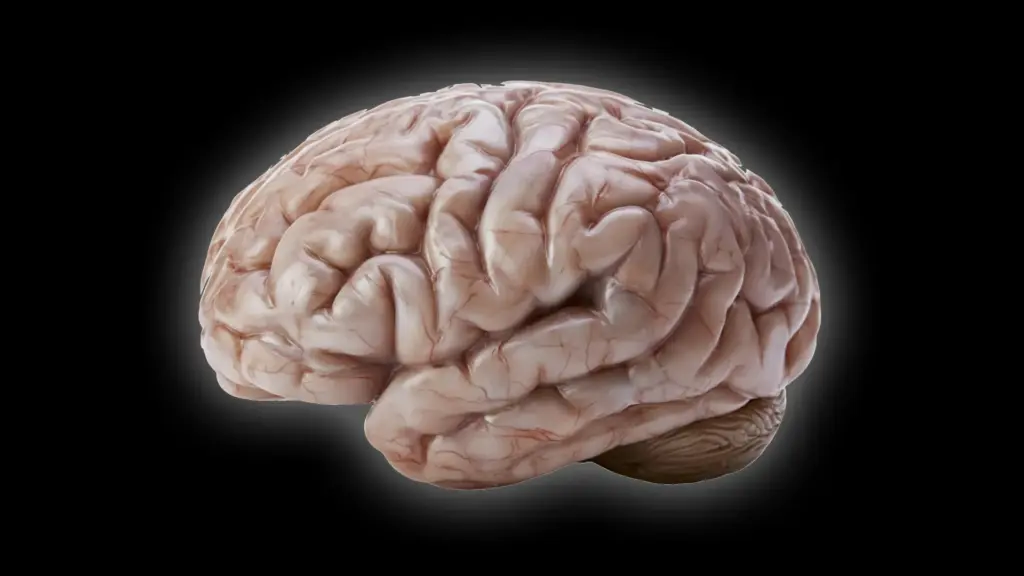
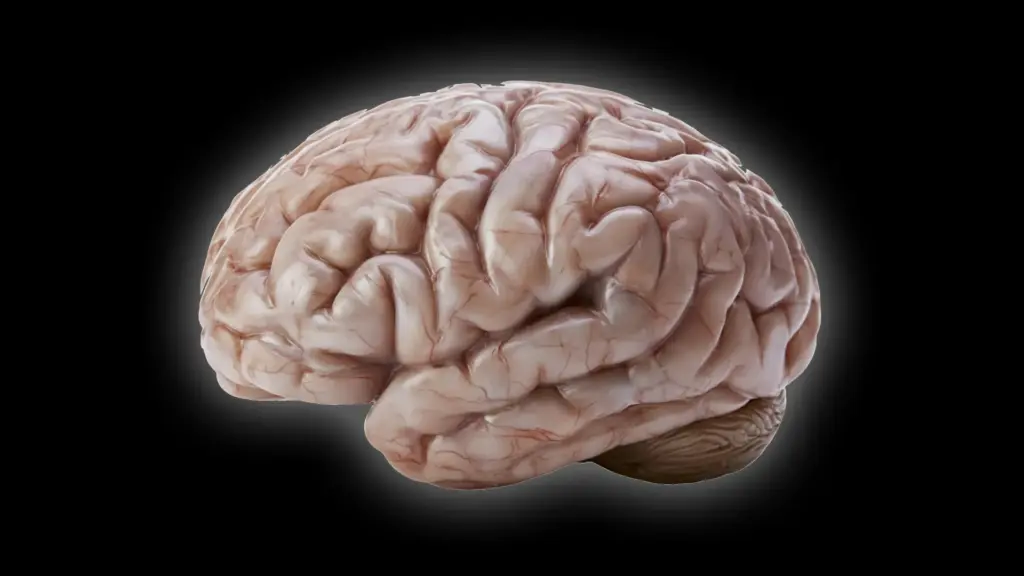
Decoding the Smooth Brain: Scientists Uncover Cellular Mechanisms Behind Primate Brain Evolution

Most primates are characterized by their expansive, complex brains, which are typically defined by a surface topography of intricate folds and grooves. This architectural complexity is often cited as the biological foundation for the sophisticated cognitive abilities observed across the primate order. However, the common marmoset (Callithrix jacchus) stands out as a striking evolutionary anomaly.…
Read more
Standard

Decoding the Blueprint: How Miniature Brains Reveal Why Marmosets Lack Human-Like Folds

Most primates are characterized by their impressively large, complex brains, which are typically defined by a distinct, rugged landscape of folds and grooves. This intricate architecture, known as gyrification, is a hallmark of mammalian intelligence, providing the surface area necessary to house the billions of neurons that facilitate advanced cognition. Yet, in the diverse family…

Read more
Standard

Why Some Primate Brains Are Smooth: New Research Uncovers the Cellular "Brakes" on Brain Growth

Most primates possess brains that are marvels of biological engineering, characterized by large volumes and intricate patterns of folds and grooves—a hallmark of evolutionary complexity. However, the common marmoset (Callithrix jacchus), a small South American monkey, presents a striking evolutionary exception. Its brain is remarkably smooth, lacking the extensive folding found in its larger-brained primate…

Read more
Standard

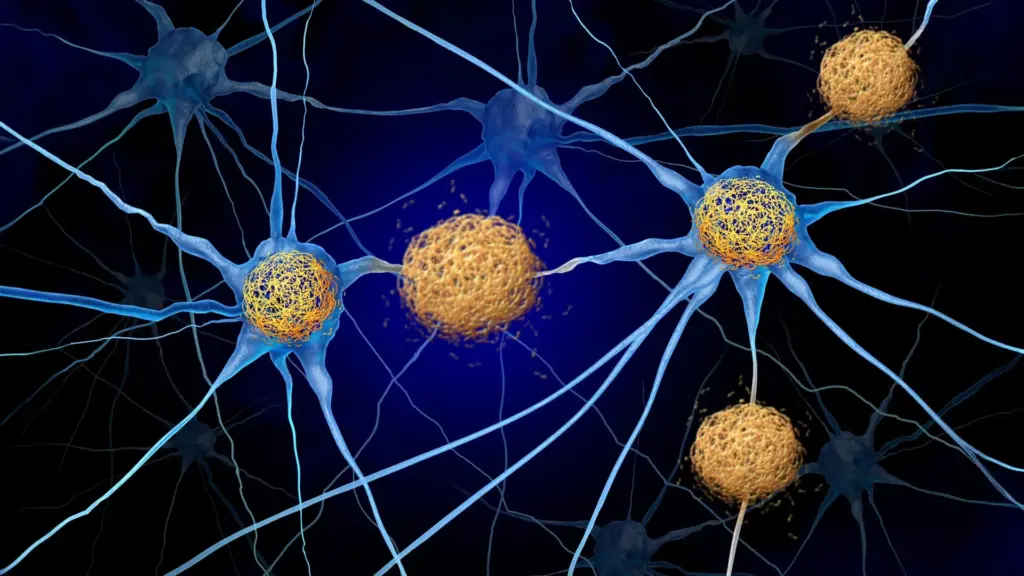
New Research Targets Immune Response to Halt Brain Cell Death in Alzheimer’s Disease

Protecting brain cells from the progressive destruction that characterizes Alzheimer’s disease and related neurodegenerative conditions remains one of the most formidable challenges in modern medicine. These disorders, collectively known as tauopathies, are marked by the accumulation of abnormal tangles of a protein called tau inside the brain. As these toxic tangles build up, neurons begin…

Read more
Standard

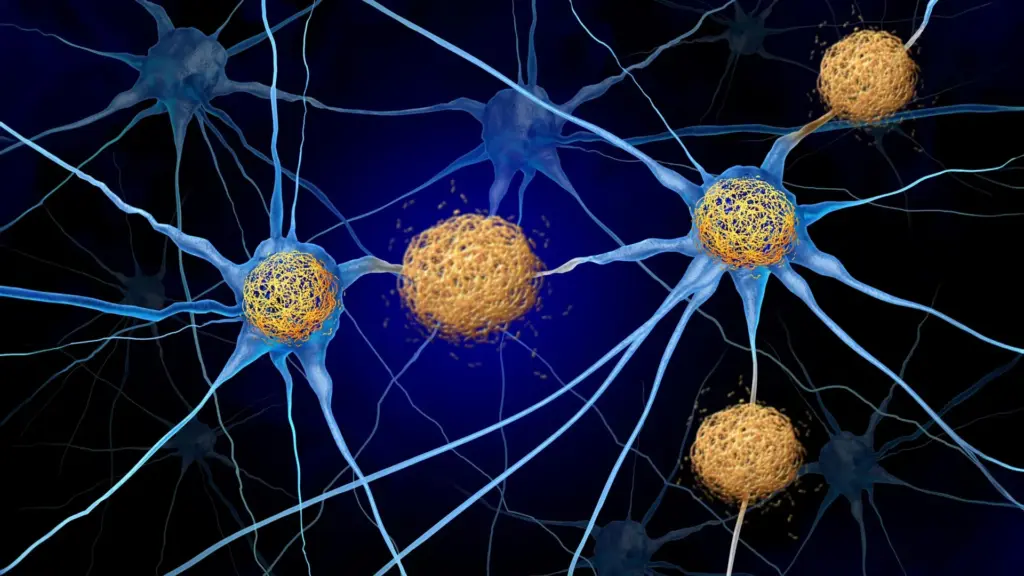
New Research Reveals Immune System’s Role in Alzheimer’s Brain Damage, Offering Potential New Treatment Path

For decades, the scientific community has been locked in a high-stakes race to identify the primary drivers of neurodegeneration in Alzheimer’s disease. While the accumulation of amyloid plaques and tau protein tangles has long been the primary focus of drug development, a groundbreaking study from the Washington University School of Medicine in St. Louis suggests…

Read more
Standard

New Genetic Clue Reveals How Some Defy Alzheimer’s Risk, Paving Path for Potential Treatments

For decades, one of the most confounding mysteries in neurology has been the "resilient carrier"—the individual who possesses the APOE ε4 gene, the most significant genetic risk factor for Alzheimer’s disease, yet remains cognitively sharp well into their 80s or 90s. While millions of people carry this genetic variant, which significantly increases the likelihood of…

Read more
Standard

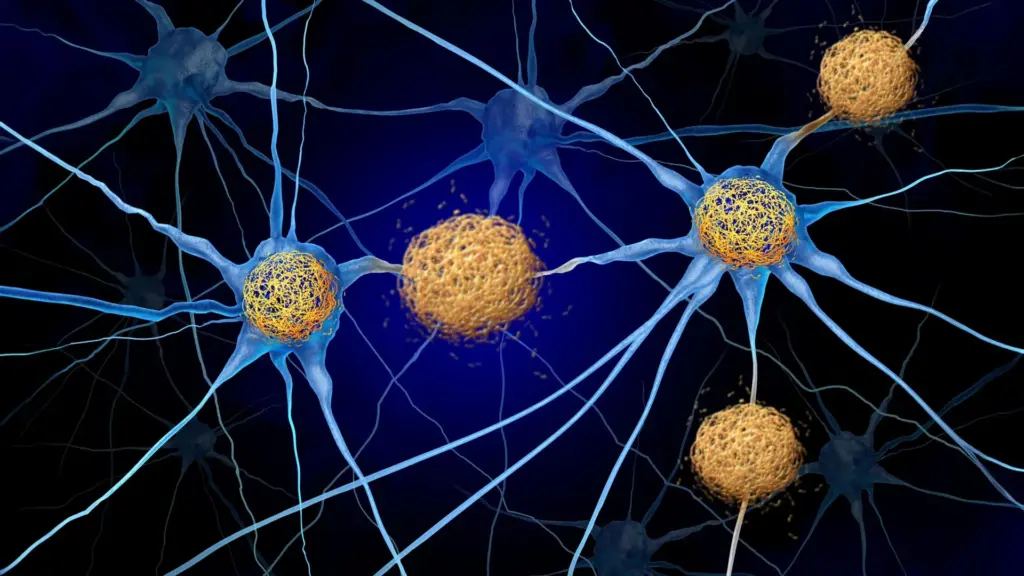
Blocking Immune Response May Stop Alzheimer’s Brain Cell Loss, New Research Finds

Protecting brain cells from destruction remains one of the most formidable hurdles in modern medicine, particularly regarding Alzheimer’s disease and a spectrum of related neurodegenerative disorders known collectively as tauopathies. These conditions are characterized by the abnormal accumulation of "tau" protein tangles within the brain—a hallmark that has long been the primary target for diagnostic…

Read more
Standard

Breakthrough Discovery: Brain’s Immune Cells Identified as Key Culprit in Alzheimer’s-Related Sleep Loss

Scientists have uncovered a surprising and potentially reversible cause of sleep disruption in Alzheimer’s disease. In a study that challenges decades of conventional wisdom, researchers have discovered that the severe sleep problems associated with the condition are not primarily caused by the accumulation of amyloid plaques—the hallmark sticky protein deposits found in the brains of…

Read more