






BREAKING NEWS
Applied Behavior Analysis Psychedelic Insight: Psilocybin Found to Selectively Mute Aggression in Mangrove Rivulus Fish 4 hours ago Child Development Youth-Associated Protein TIMP2 Found to Rejuvenate Aging Brain Immune Cells 4 hours ago Occupational Therapy The Silent Architects of Quality: Why Occupational Therapy is the Healthcare Team’s Ultimate Difference Maker 4 hours ago Speech and Language Therapy Speech and Language Kids Announces Expansion of Structured Curriculum to Transform SLP Workflows 4 hours ago Early Intervention Understanding Toddler Tantrums: Why Meltdowns Are a Crucial Part of Early Development 4 hours ago Assistive Technology Digital Inclusion Shift: Public Institutions Prepare for the 2026 ADA Title II Compliance Deadline 4 hours ago Sensory Processing Occupational Therapists Highlight Top Vision Books and Resources to Support Visual Processing and Academic Skills 4 hours ago Neurodiversity Rewriting the Autistic Relationship Manual: Cultural Metamorphosis and Ecologies of Care at Human Scale 4 hours ago Applied Behavior Analysis Psychedelic Insight: Psilocybin Found to Selectively Mute Aggression in Mangrove Rivulus Fish 4 hours ago Child Development Youth-Associated Protein TIMP2 Found to Rejuvenate Aging Brain Immune Cells 4 hours ago Occupational Therapy The Silent Architects of Quality: Why Occupational Therapy is the Healthcare Team’s Ultimate Difference Maker 4 hours ago Speech and Language Therapy Speech and Language Kids Announces Expansion of Structured Curriculum to Transform SLP Workflows 4 hours ago Early Intervention Understanding Toddler Tantrums: Why Meltdowns Are a Crucial Part of Early Development 4 hours ago Assistive Technology Digital Inclusion Shift: Public Institutions Prepare for the 2026 ADA Title II Compliance Deadline 4 hours ago Sensory Processing Occupational Therapists Highlight Top Vision Books and Resources to Support Visual Processing and Academic Skills 4 hours ago Neurodiversity Rewriting the Autistic Relationship Manual: Cultural Metamorphosis and Ecologies of Care at Human Scale 4 hours ago
Stories
Psychedelic Insight: Psilocybin Found to Selectively Mute Aggression in Mangrove Rivulus Fish
Youth-Associated Protein TIMP2 Found to Rejuvenate Aging Brain Immune Cells
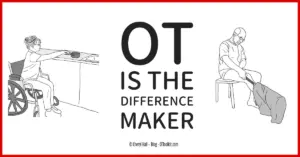
The Silent Architects of Quality: Why Occupational Therapy is the Healthcare Team’s Ultimate Difference Maker
Speech and Language Kids Announces Expansion of Structured Curriculum to Transform SLP Workflows
Understanding Toddler Tantrums: Why Meltdowns Are a Crucial Part of Early Development
Digital Inclusion Shift: Public Institutions Prepare for the 2026 ADA Title II Compliance Deadline
Occupational Therapists Highlight Top Vision Books and Resources to Support Visual Processing and Academic Skills
Rewriting the Autistic Relationship Manual: Cultural Metamorphosis and Ecologies of Care at Human Scale
The Aftermath of Cumulative Loss: Navigating Grief, Busyness, and the Duality of Survival
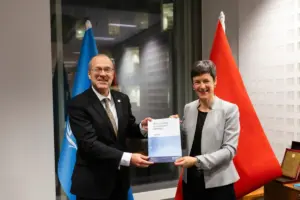
WHO and Switzerland Cement Long-Term Partnership with Renewal of Country Cooperation Strategy for 2024–2028

Category: Child Development

114 posts

Standard

Study Finds Popular Fish Oil Supplements Fail to Protect Against Cognitive Decline

For millions of Americans, the daily ritual of swallowing a fish oil supplement has become a cornerstone of preventive healthcare. Driven by the hope of safeguarding memory and maintaining sharp cognitive function well into their golden years, consumers have turned omega-3 fatty acid supplements into a massive commercial industry, with annual expenditures in the United…

Read more
Standard

Fish Oil Supplements Fail to Boost Brain Health or Prevent Alzheimer’s, Study Finds

For millions of Americans, the daily ritual of swallowing a fish oil capsule has become a cornerstone of health maintenance. Driven by the hope of preserving memory and shielding the brain from the ravages of aging, consumers spend more than $1 billion annually on supplements packed with omega-3 fatty acids. These nutrients, particularly docosahexaenoic acid…

Read more
Standard

Beyond Decline: New Research Challenges the Narrative of Cognitive Aging

For generations, the narrative surrounding human aging has been dominated by a singular, somber theme: the gradual, inevitable erosion of the mind. Memory lapses, slowed processing speeds, and the diminishing ability to recall specific details have long been framed as the defining characteristics of growing older. However, a growing body of research from the University…

Read more
Standard

Beyond Decline: Why the Aging Brain Is Wired for Wisdom

For generations, the narrative surrounding the aging brain has been one of inevitable erosion. As the calendar pages turn, society has conditioned us to expect a steady decline in cognitive function, characterized by lapses in memory, a slower processing speed, and an overall reduction in mental sharpness. We often view these changes as a downward…

Read more
Standard

Beyond Decline: Why the Aging Brain Is Wired for Wisdom

For generations, the narrative surrounding the aging human brain has been one of inevitable erosion. We are often told that as the candles on the birthday cake multiply, our cognitive faculties—specifically our memory and mental processing speed—are destined to fray. This perspective paints the aging brain as a decaying vessel, slowly losing the sharpness that…

Read more
Standard

The Wisdom Shift: New Research Challenges the Narrative of Cognitive Decline in Aging

For generations, the conventional narrative surrounding human aging has been one of inevitable erosion. As the calendar pages turn, society has been conditioned to expect a steady, inexorable decline in memory, mental sharpness, and overall cognitive agility. We often measure the health of an aging mind by its ability to perform tasks that characterize youth—rapid…

Read more
Standard

Rethinking Alzheimer’s Prevention: How Modest Physical Activity Protects the Brain

A groundbreaking new study is challenging long-held assumptions about how physical activity influences the progression of Alzheimer’s disease. While conventional wisdom has long suggested that exercise might clear the brain of toxic amyloid plaques—the hallmark protein deposits often targeted by modern pharmaceuticals—this latest research indicates that the protective mechanism of movement is far more nuanced…

Read more