






For the past thirty years, the global community has celebrated a remarkable, consistent victory in the fight against preventable death. In 1990, the world recorded 12.5 million deaths of children under the age of five. By 2019, that figure had plummeted to an all-time low of 5.2 million. This downward trend, documented by the United Nations Inter-agency Group for Child Mortality Estimation (UN IGME)—a coalition including UNICEF, the World Health Organization (WHO), the World Bank Group, and the UN Department of Economic and Social Affairs—represented one of the greatest humanitarian achievements of the modern era.
However, this long-standing trajectory of progress is now facing an unprecedented challenge. New data and comprehensive surveys conducted by UNICEF and the WHO indicate that the COVID-19 pandemic has triggered widespread, systemic disruptions to maternal and child health services. As health systems buckle under the strain of the pandemic, experts fear that the hard-won gains of the last three decades are in grave danger of being erased, putting millions of additional lives at risk.
The crisis is characterized not only by the direct impact of the virus but by the secondary effects of overwhelmed health infrastructure and public fear. "The global community has come too far towards eliminating preventable child deaths to allow the COVID-19 pandemic to stop us in our tracks," said Henrietta Fore, UNICEF Executive Director. "When children are denied access to health services because the system is overrun, and when women are afraid to give birth at the hospital for fear of infection, they, too, may become casualties of COVID-19. Without urgent investments to re-start disrupted health systems and services, millions of children under five, especially newborns, could die."
The Infrastructure of Survival Under Strain
The success story of the last thirty years was built on the foundation of accessible, reliable health services. Interventions targeting the most common causes of child mortality—including neonatal complications, preterm birth, low birth weight, pneumonia, diarrhea, malaria, and neonatal sepsis—have saved countless lives. Vaccination programs, prenatal and post-natal care, and professional midwifery have served as the bedrock of this survival strategy.
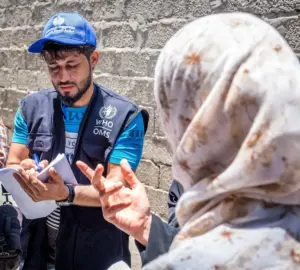
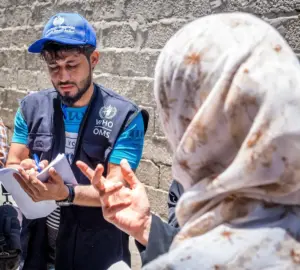
Today, those critical services are faltering. Countries across the globe are grappling with a dual-threat scenario: severe resource constraints and a pervasive public reluctance to utilize health facilities. Parents, terrified of the risk of COVID-19 transmission, are increasingly avoiding clinics, while overburdened health workers, often lacking adequate personal protective equipment (PPE), are unable to maintain the continuity of essential care.
The scale of the disruption is staggering. A UNICEF survey conducted across 77 countries revealed that 68 percent of nations reported at least partial disruptions to routine health checkups and immunization services. Furthermore, 63 percent of countries reported interruptions in antenatal checkups, and 59 percent reported gaps in post-natal care. These findings are echoed by a parallel WHO survey of 105 countries, which found that 52 percent of nations faced disruptions in care for sick children, while 51 percent reported lapses in the management of childhood malnutrition.
These interventions are not merely administrative procedures; they are life-saving medical necessities. The WHO notes that women who receive care from midwives trained to international standards are 16 percent less likely to suffer the loss of their baby and 24 percent less likely to experience a preterm birth. When these services are withdrawn or avoided, the statistical risk of mortality for mothers and infants rises sharply.
A Turning Point for Global Health
Dr. Tedros Adhanom Ghebreyesus, Director-General of the WHO, emphasized that the current state of child survival is a testament to the power of prioritizing health and well-being on a global scale. "The fact that today more children live to see their first birthday than any time in history is a true mark of what can be achieved when the world puts health and well-being at the centre of our response," he stated. However, he warned that the current climate demands immediate action. "Now, we must not let the COVID-19 pandemic turn back remarkable progress for our children and future generations. Rather, it’s time to use what we know works to save lives, and keep investing in stronger, resilient health systems."
The geographic reach of this disruption is extensive, but the impact is most severe in nations that were already struggling with high mortality rates. Countries such as Afghanistan, Bolivia, Cameroon, the Central African Republic, Libya, Madagascar, Pakistan, Sudan, and Yemen have emerged as the most heavily affected. In these regions, the combination of economic hardship, transport restrictions, and the closure of medical facilities has created a perfect storm for public health failure.
In Afghanistan, where the mortality rate for children under five reached 1 in 17 in 2019, the Ministry of Health has reported a significant decline in facility visits. Families are de-prioritizing essential maternal care out of fear of contracting the virus, a choice that compounds the already high risks associated with pregnancy and childbirth in the region.
The Vulnerability of Newborns
Even before the pandemic, the neonatal period—the first 28 days of life—was the most perilous time for a child. In 2019, a newborn died every 13 seconds globally. The proportion of all under-five deaths occurring during the neonatal period has risen steadily, from 40 percent in 1990 to 47 percent in 2019. The pandemic threatens to accelerate this trend by cutting off access to skilled birth attendance and emergency obstetric care.
Cameroon serves as a sobering case study. In 2019, one in every 38 newborns died in the country. Now, recent data suggests that roughly 75 percent of essential newborn care, antenatal check-ups, and obstetric care services have been disrupted. This creates an environment where preventable complications—which would otherwise be managed by skilled professionals—become fatal.
The potential human cost of these disruptions is high. Early in the pandemic, in May 2020, modeling from Johns Hopkins University suggested that, if left unaddressed, disruptions to essential health services could lead to nearly 6,000 additional child deaths per day. This projection highlighted the urgent necessity of restoring and strengthening prenatal, childbirth, and postnatal care, as well as the importance of proactive communication with parents to alleviate fears regarding the safety of health centers.
A Call for Resilient Systems
As the international community grapples with the pandemic, there is a unified call for governments and donors to protect the services that have successfully reduced child mortality. Muhammad Ali Pate, the Global Director for Health, Nutrition, and Population at the World Bank, underscored the urgency of the moment. "The COVID-19 pandemic has put years of global progress to end preventable child deaths in serious jeopardy," he said. "It is essential to protect life-saving services which have been key to reducing child mortality. We will continue to work with governments and partners to reinforce healthcare systems to ensure mothers and children get the services they need."
The challenge ahead is not merely to return to the status quo, but to build more resilient, equitable healthcare infrastructures that can withstand future crises. John Wilmoth, Director of the Population Division of the UN Department of Economic and Social Affairs, noted that while the new report illustrates the undeniable negative effects of the pandemic, it also acts as a reminder of the persistent inequities in child survival. The mission, he suggested, is to redress these disparities, ensuring that a child’s prospects for health and survival are not determined by their geography or economic standing.
The path forward requires a multi-faceted approach: restoring trust in health facilities through transparent safety measures, ensuring the steady supply of PPE for healthcare workers, and prioritizing the continuity of maternal and child health programs as a central pillar of the global COVID-19 response. For the millions of children and mothers who depend on these services, the success of these efforts will determine not just the health outcomes of the coming year, but the long-term survival of the next generation.