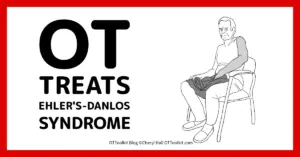









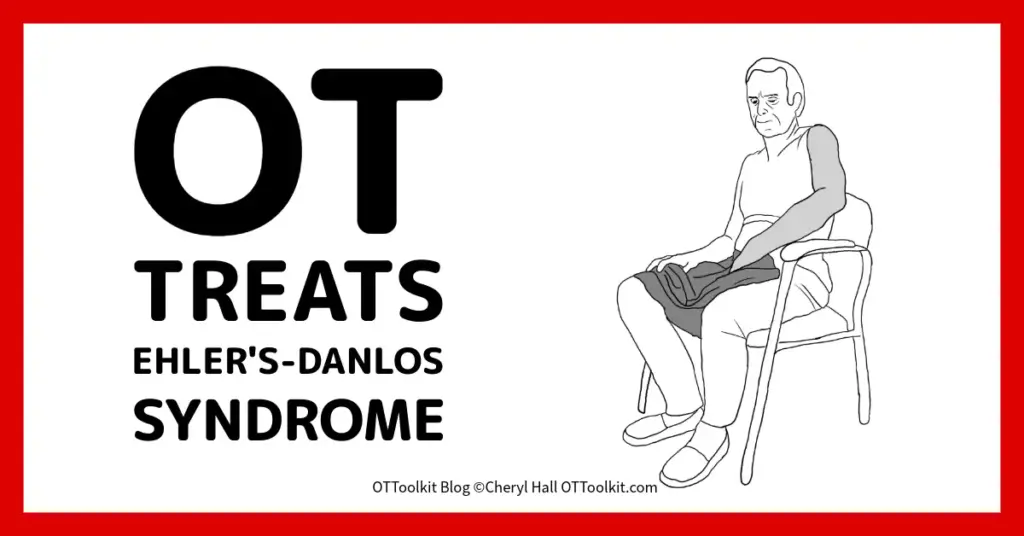
The occupational therapy community thrives on the collaborative exchange of ideas, and recent correspondence between a practicing clinician in Tennessee and the creator of the Occupational Therapy Toolkit has highlighted an important gap in clinical resources. A patient living with Ehlers-Danlos Syndrome (EDS) recently posed a question to their therapist regarding the absence of a dedicated treatment guide for their condition within the Occupational Therapy Toolkit. This inquiry, which eventually reached the desk of Cheryl Hall, the author of the widely used resource, has sparked a commitment to address this need in future editions.
Ehlers-Danlos Syndrome is a complex, often misunderstood group of conditions that presents unique challenges for both patients and the clinicians tasked with their care. For many practitioners, EDS remains a rare encounter in a general practice setting. However, as awareness of connective tissue disorders grows, the role of occupational therapy in managing the multifaceted symptoms of EDS is becoming increasingly vital. By focusing on symptom mitigation, the promotion of independence, and the enhancement of overall quality of life, occupational therapists are uniquely positioned to provide the specialized support these patients require.
While the Occupational Therapy Toolkit recently underwent a significant update with the release of its 8th edition in 2024, the feedback from the field serves as a catalyst for ongoing evolution. Rather than waiting for a future release to address the clinical needs of the EDS population, this current discussion serves as an opportunity to explore how existing occupational therapy frameworks can be effectively applied to patients navigating the complexities of Ehlers-Danlos Syndrome.

Understanding Ehlers-Danlos Syndrome
At its core, Ehlers-Danlos Syndrome is a group of hereditary connective tissue disorders that fundamentally impact how the human body produces and utilizes collagen. Collagen acts as the primary "glue" or structural scaffold for the body, providing strength and elasticity to skin, joints, blood vessels, and internal organs. When this structural integrity is compromised, the systemic effects can be profound. Currently, medical researchers have identified 13 distinct types of EDS, each with its own specific genetic origin and clinical presentation.
Despite the variations between types, clinicians often see a overlapping set of symptoms that require careful management. The hallmark of the condition is joint hypermobility, where joints possess a range of motion far beyond the typical physiological limits. This instability often leads to chronic pain and a susceptibility to dislocations or subluxations. Additionally, patients frequently report fragile skin that is prone to easy bruising, tearing, and delayed wound healing. Beyond these physical signs, EDS often presents with systemic complications, including debilitating fatigue, dizziness upon standing—often linked to autonomic dysfunction—and a variety of gastrointestinal concerns. Because these symptoms affect nearly every aspect of daily life, the holistic approach of occupational therapy is essential in helping patients maintain their autonomy.
Targeted Occupational Therapy Interventions
Occupational therapists employ a diverse set of strategies to assist patients with EDS, tailoring their interventions to the individual’s specific functional limitations. One of the primary areas of focus is joint protection. Because hypermobility can lead to chronic hyperextension and inflammation, therapists work closely with patients to modify daily tasks, ensuring that movements are biomechanically safe. This often involves instructing patients in home-based pain management techniques and, when necessary, designing and fitting custom splints to provide stability to joints that are prone to injury.
Energy conservation is another pillar of care for the EDS patient. Chronic fatigue is a pervasive symptom for many, often limiting a person’s ability to engage in work, school, or personal interests. Occupational therapists collaborate with patients to develop sophisticated pacing and planning strategies, helping them balance their energy expenditure throughout the day. By modifying how tasks are performed—such as introducing sitting during grooming or meal preparation—therapists help patients avoid the "boom-and-bust" cycle of activity that often exacerbates their symptoms.
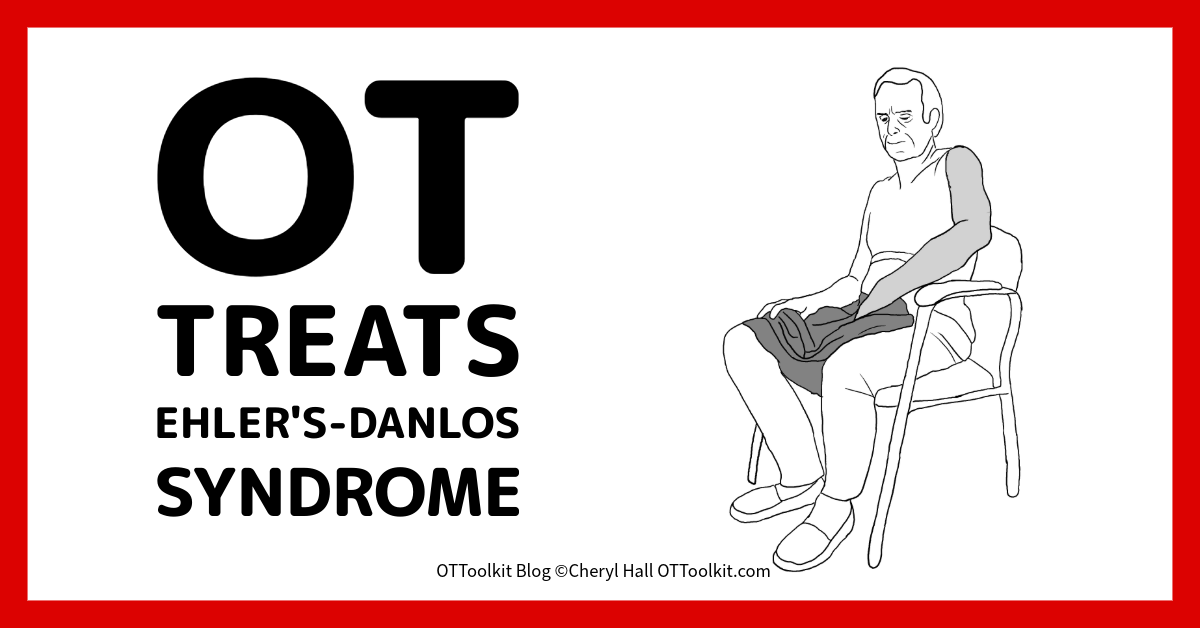
The use of adaptive equipment extends these efforts, providing the tools necessary for fall prevention and improving community mobility. Whether it is through the recommendation of mobility aids or the implementation of ergonomic modifications in the home, office, or classroom, the goal remains the same: to reduce the physical burden on the body. Ergonomic evaluations are particularly effective for limiting repetitive movements and the associated joint strain that can lead to long-term tissue damage.
Furthermore, proprioception—the body’s ability to sense its own position and movement in space—is often compromised in individuals with hypermobility. This sensory deficit can make it difficult for the brain to accurately gauge where limbs are located, contributing to a higher risk of injury. Occupational therapists use targeted, low-impact exercises to improve proprioceptive feedback, which in turn helps protect joint health and improves overall movement control.
Beyond these primary physical interventions, occupational therapists are also equipped to address the complex co-occurring symptoms that often accompany an EDS diagnosis. Many patients manage a range of secondary challenges, including significant sleep disturbances, mental health struggles, chronic migraines, gastrointestinal dysfunction, and various autoimmune issues. A skilled therapist can provide the interventions, environmental modifications, and coping strategies necessary to manage these conditions, ensuring that the patient is supported in every aspect of their well-being.
Leveraging Existing Resources for Specialized Care
While the Occupational Therapy Toolkit does not yet contain a formal Treatment Guide specifically labeled for EDS, its existing library of resources provides a robust foundation for clinicians working with this population. The toolkit offers a wide array of materials that are readily applicable to the symptoms of EDS, including comprehensive treatment guides for pain management, ADL and mobility handouts that address safety and efficiency, and educational materials that help patients understand their own physiology. Additionally, the collection of therapeutic exercise handouts provides clinicians with ready-to-use, evidence-based tools that can be adapted to focus on stabilization and proprioceptive training.
For clinicians seeking to deepen their understanding of this condition, external resources provide an essential supplement to clinical practice. The Ehlers-Danlos Society stands as a primary hub for information, offering a wealth of materials for healthcare professionals. Their digital platform provides access to continuing education modules, current research findings, and a global directory of medical experts who have specialized experience in treating the various types of EDS. Engaging with these resources can help therapists feel more confident in their approach and ensure that their interventions align with the latest clinical standards.
The proactive nature of the occupational therapy community remains the strongest tool for professional development. The request from the clinician in Tennessee is a prime example of how individual practitioners can drive the evolution of clinical resources. By sharing these challenges and observations, therapists ensure that the tools of the trade remain relevant, inclusive, and effective for all patients. As the field continues to grow and adapt, the commitment to incorporating feedback will ensure that future editions of resources like the Occupational Therapy Toolkit continue to reflect the changing needs of the diverse patient populations served by occupational therapists.
For those who wish to contribute their own insights or suggestions for future updates to the Occupational Therapy Toolkit, direct communication with the author is encouraged. Sharing clinical experiences and identifying gaps in current resources is the most effective way to foster the continued growth of the profession, ultimately leading to better outcomes for patients navigating complex conditions like Ehlers-Danlos Syndrome.