






For many, the image of a community garden is one of tranquility and connection—a place where neighbors gather to cultivate soil, share the harvest, and strengthen social bonds. Yet, for millions of Americans living with intellectual, developmental, and physical disabilities, or for the nation’s aging population, these green spaces have historically remained largely out of reach. From narrow, unpaved pathways that are impossible to navigate with a wheelchair to garden beds that are too low to reach without strain, the infrastructure of the average garden often reflects a design philosophy that excludes those who do not possess full physical mobility.
That reality is beginning to shift. Federal officials have officially moved forward with a significant new effort aimed at dismantling these physical and social barriers, ensuring that the therapeutic, nutritional, and communal benefits of gardening are accessible to everyone, regardless of physical ability. The U.S. Department of Health and Human Services (HHS), through its Administration for Community Living (ACL), has announced the selection of 70 winning teams for the "Cultivating Connected Communities Prize Challenge." This national competition serves as a formal call to action, soliciting innovative, practical, and scalable ideas to transform community gardens into truly inclusive spaces.
The scope of the challenge is broad, reflecting a commitment to serving diverse populations. The competition specifically sought proposals that address the unique needs of people with intellectual and developmental disabilities, individuals living with paralysis or other physical impairments, and older adults who may face declining mobility. By fostering a design-forward approach to community agriculture, federal agencies hope to prove that accessibility is not a luxury, but a fundamental component of public health and civic engagement.

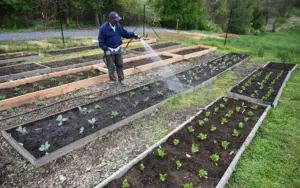
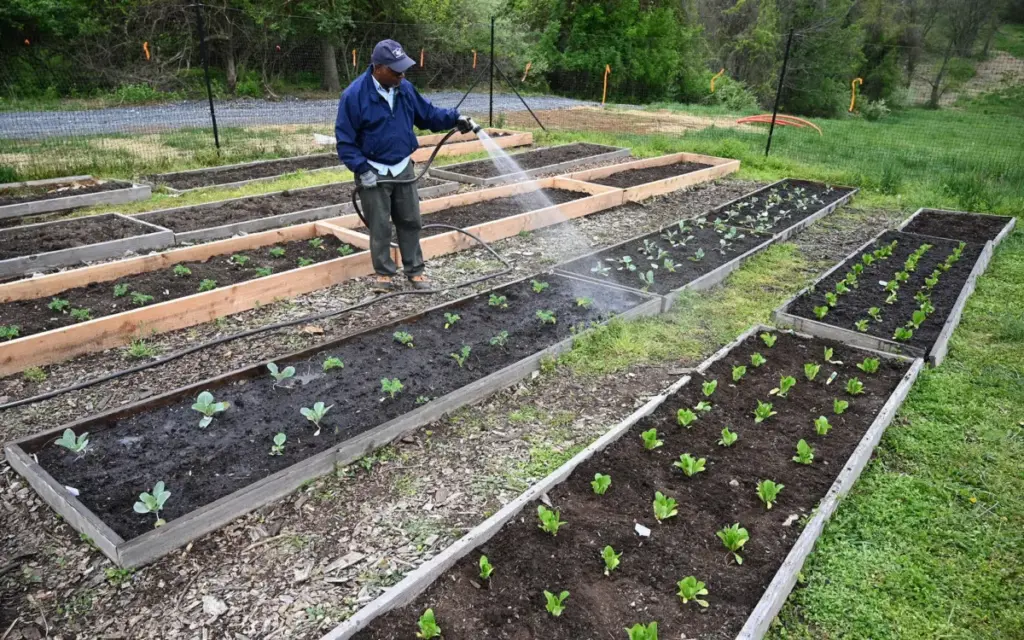
The winning proposals, selected from a competitive field of applicants, highlight a diverse array of solutions ranging from high-tech adaptive tools to simple, elegant architectural adjustments. Among the most common and impactful suggestions are the implementation of raised garden beds built at specific heights, allowing individuals in wheelchairs or those unable to bend or kneel to work the soil comfortably. Other teams proposed the development of specialized, adaptive gardening tools—such as ergonomic trowels, extended-reach implements, and modified gripping mechanisms—designed to reduce physical strain and accommodate different levels of motor control.
Beyond hardware, many teams focused on social and systemic inclusion. This includes the creation of educational programming tailored to different learning styles, the installation of sensory-friendly garden elements, and the improvement of site infrastructure, such as wider, level pathways and sensory-rich planting areas that cater to those with varied cognitive and physical needs.
The importance of this initiative was underscored by HHS Secretary Robert F. Kennedy, Jr., who framed the challenge as a matter of equity and essential human connection. “Every American should have the opportunity to grow real food, spend time outdoors and participate in a healthy community,” Kennedy said in a statement. “These teams are removing barriers that keep older adults and people with disabilities from taking part in community gardens. By making these spaces more accessible, they are expanding access to nutritious food, healthy activity and the community connections that help people live healthier lives.”
The initiative is not merely theoretical; it is backed by a structured financial commitment intended to turn these concepts into tangible improvements on the ground. The 70 winning teams identified in the first phase of the challenge will each receive $4,000 in prize money. This initial funding is designed to provide the necessary capital for teams to refine their strategies and prepare for the next, more intensive stage of the competition.
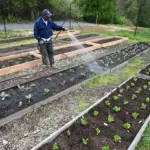
As the project moves into Phase 2, these teams will be tasked with executing their proposed plans. This implementation phase is where the vision meets the dirt. Participants will have the opportunity to demonstrate how their modifications function in real-world settings, such as the garden managed by the Community Action Council of Howard County outside Baltimore, where produce is grown specifically to bolster the inventory of the Howard County Food Bank. Those who successfully translate their proposals into working models will be eligible to earn an additional $8,000, bringing the potential total support for each winning team to $12,000.
This financial incentive structure is designed to encourage not just the proposal of ideas, but the actualization of community-based change. By prioritizing results and community impact, the federal government hopes to create a blueprint that can be replicated in municipalities across the United States.
The "Cultivating Connected Communities Prize Challenge" operates as a vital component of a broader federal effort to modernize the nation’s approach to urban and community agriculture. It is closely linked to the U.S. Department of Agriculture’s (USDA) "The People’s Garden" initiative. This nationwide program serves as a central hub for community gardens across the country, providing a network for resource sharing, agricultural education, and public awareness. By embedding the accessibility challenge within this existing framework, federal officials are ensuring that these new inclusive practices become a standard expectation for community gardens rather than an isolated outlier.
The integration of these projects into the broader agricultural landscape is intended to address multiple public health crises simultaneously. For many, access to fresh, nutritious food remains a significant challenge, particularly in urban "food deserts." Community gardens have long been recognized as a tool to combat this, but when those gardens are inaccessible to a large segment of the population, their potential is severely curtailed. By opening these spaces, the initiative aims to increase food security, promote outdoor physical activity, and foster the kinds of intergenerational and cross-ability social connections that are vital to mental health and community resilience.
Furthermore, the focus on older adults highlights a growing demographic need. As the population ages, the prevalence of physical limitations increases. Creating spaces that allow seniors to remain active participants in their communities—rather than passive observers—is a key strategy for mitigating the social isolation that often accompanies aging. The gardens, when properly equipped, can become hubs for social interaction, learning, and physical rehabilitation, providing a low-impact, rewarding environment that keeps people connected to their neighbors and their local food system.
The success of these 70 teams will be closely monitored as they move through the second phase of the competition. Officials expect that the results will yield a wealth of data on what works best in various environments, from rural plots to dense urban gardens. This information will likely inform future policy and grant-making, potentially setting new standards for how public spaces are designed and maintained.
As the program progresses, the emphasis remains on the simple, human-centric goal articulated by the HHS: ensuring that the act of growing food—a fundamental human experience—is open to all. Whether it is a gardener in Howard County or a student in a community plot in a distant state, the mission remains the same: to create a garden where every hand has the ability to nurture growth. By fostering an environment that values accessibility as a cornerstone of community identity, the initiative is not just growing vegetables; it is cultivating a more inclusive and connected society.
The challenges of accessibility are often hidden in plain sight, embedded in the very design of our parks and public spaces. Through the Cultivating Connected Communities Prize Challenge, the federal government is shifting the focus toward a more proactive, inclusive design philosophy. It is an acknowledgment that true community health depends on the participation of all its members, and that a garden is only as vibrant as the diversity of those who are able to cultivate it. As these 70 teams set to work, the hope is that these small, localized changes will bloom into a national movement, proving that with the right tools and the right focus, the doors to community participation can be opened wider than ever before.