




BREAKING NEWS
Applied Behavior Analysis Mapping the Mind: New Study Identifies Critical Brain Connections for Treating Severe Depression with Deep Brain Stimulation 4 hours ago Child Development Decoding the Brain’s Internal Clock: How Sleep and Growth Hormone Orchestrate Our Biology 4 hours ago Assistive Technology AI and Smart Cities Are Reshaping Wheelchair Navigation: A New Era for Inclusive Urban Mobility 4 hours ago Sensory Processing How the "Size of the Problem" Approach is Transforming Emotional Regulation and Executive Functioning in Children 4 hours ago Neurodiversity Beyond Hierarchies: Co-Creating Ecologies of Care and Sacred Commitments in Neurodivergent Communities 4 hours ago Behavioral Health Navigating the In-Between: Understanding the Psychology of the Liminal Space 4 hours ago Applied Behavior Analysis Psychedelic Insight: Psilocybin Found to Selectively Mute Aggression in Mangrove Rivulus Fish 12 hours ago Child Development Youth-Associated Protein TIMP2 Found to Rejuvenate Aging Brain Immune Cells 12 hours ago Applied Behavior Analysis Mapping the Mind: New Study Identifies Critical Brain Connections for Treating Severe Depression with Deep Brain Stimulation 4 hours ago Child Development Decoding the Brain’s Internal Clock: How Sleep and Growth Hormone Orchestrate Our Biology 4 hours ago Assistive Technology AI and Smart Cities Are Reshaping Wheelchair Navigation: A New Era for Inclusive Urban Mobility 4 hours ago Sensory Processing How the "Size of the Problem" Approach is Transforming Emotional Regulation and Executive Functioning in Children 4 hours ago Neurodiversity Beyond Hierarchies: Co-Creating Ecologies of Care and Sacred Commitments in Neurodivergent Communities 4 hours ago Behavioral Health Navigating the In-Between: Understanding the Psychology of the Liminal Space 4 hours ago Applied Behavior Analysis Psychedelic Insight: Psilocybin Found to Selectively Mute Aggression in Mangrove Rivulus Fish 12 hours ago Child Development Youth-Associated Protein TIMP2 Found to Rejuvenate Aging Brain Immune Cells 12 hours ago
Stories
Mapping the Mind: New Study Identifies Critical Brain Connections for Treating Severe Depression with Deep Brain Stimulation
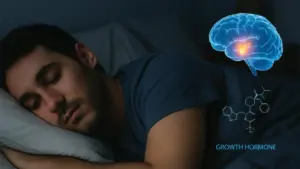
Decoding the Brain’s Internal Clock: How Sleep and Growth Hormone Orchestrate Our Biology
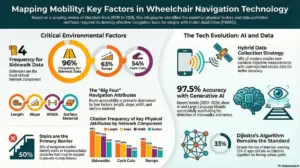
AI and Smart Cities Are Reshaping Wheelchair Navigation: A New Era for Inclusive Urban Mobility
How the "Size of the Problem" Approach is Transforming Emotional Regulation and Executive Functioning in Children
Beyond Hierarchies: Co-Creating Ecologies of Care and Sacred Commitments in Neurodivergent Communities
Navigating the In-Between: Understanding the Psychology of the Liminal Space
Psychedelic Insight: Psilocybin Found to Selectively Mute Aggression in Mangrove Rivulus Fish
Youth-Associated Protein TIMP2 Found to Rejuvenate Aging Brain Immune Cells
The Silent Architects of Quality: Why Occupational Therapy is the Healthcare Team’s Ultimate Difference Maker
Speech and Language Kids Announces Expansion of Structured Curriculum to Transform SLP Workflows

Tag: sleep

20 posts

Standard

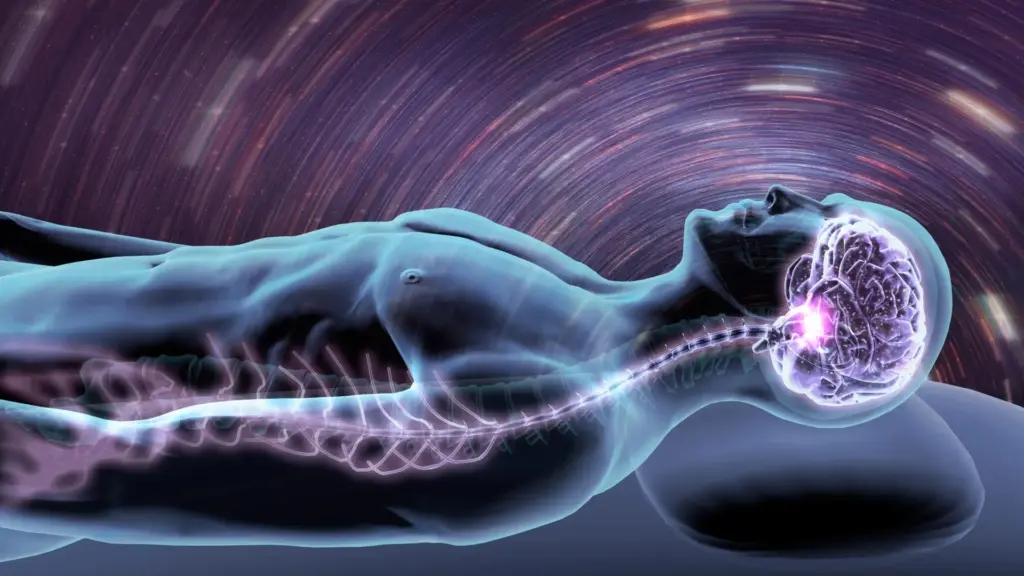
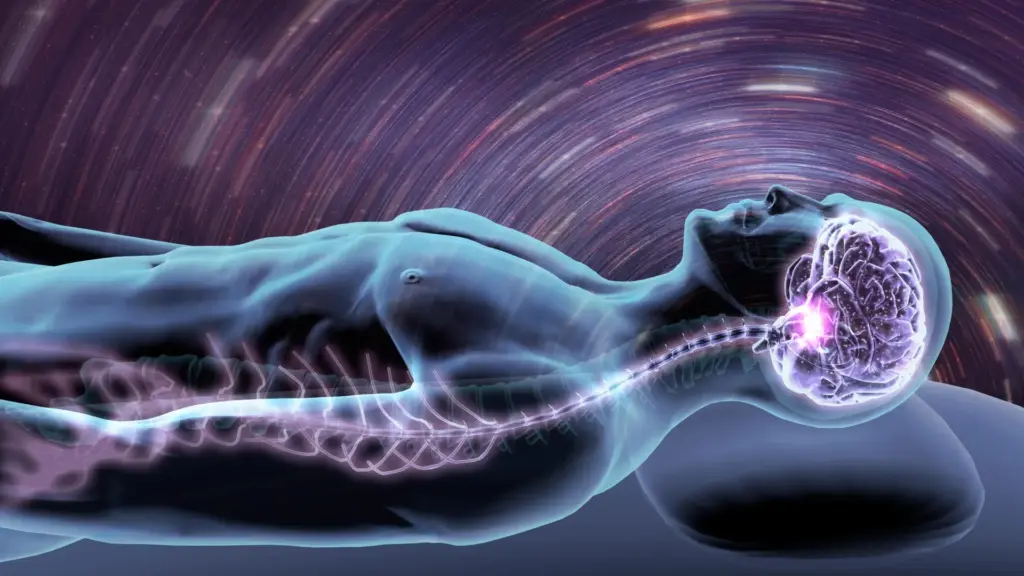
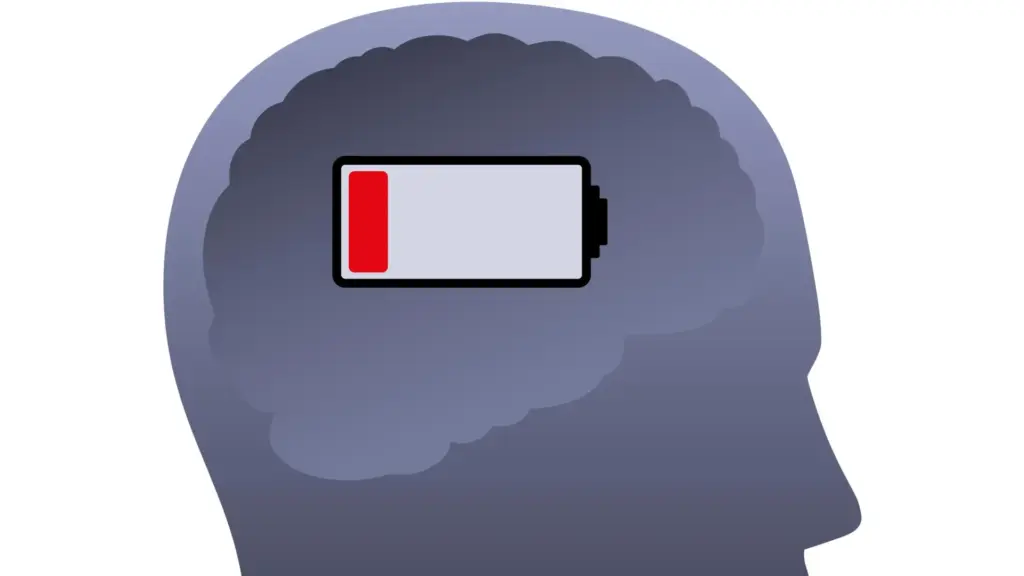
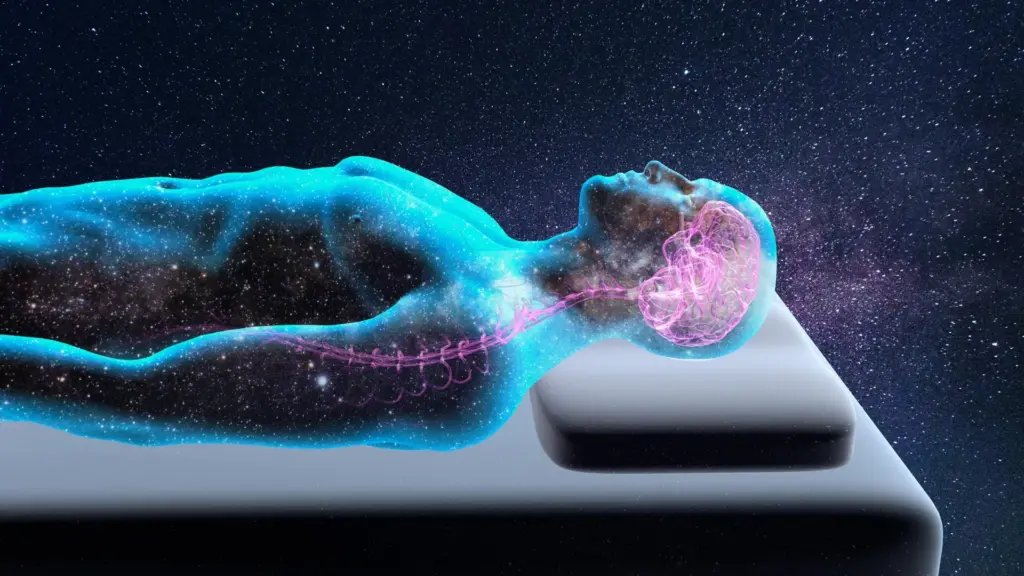
Breakthrough Study Maps Brain Circuitry Linking Deep Sleep to Growth Hormone Regulation

For decades, the medical community has understood that a restorative night’s sleep is essential for more than just feeling refreshed the next morning. Deep sleep serves as a physiological powerhouse, triggering the release of growth hormone—a vital chemical messenger responsible for building muscle, strengthening bone density, and regulating the body’s fat metabolism. For adolescents, this…
Read more
Standard

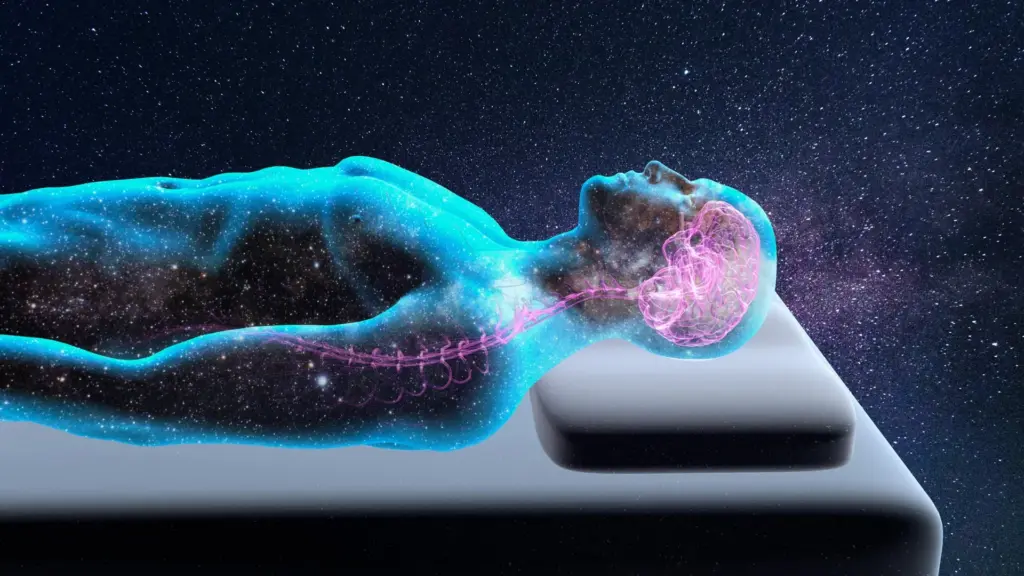
New Study Links Specific Sleep Stages to Reduced Risk of Dozens of Chronic Diseases

A landmark study published on September 17 in the open-access journal PLOS Medicine has provided compelling new evidence regarding the critical intersection between sleep architecture and long-term health. Researchers led by Shengzhi Sun of Capital Medical University in China have identified that higher proportions of REM (rapid eye movement) and deep sleep are significantly associated…

Read more
Standard

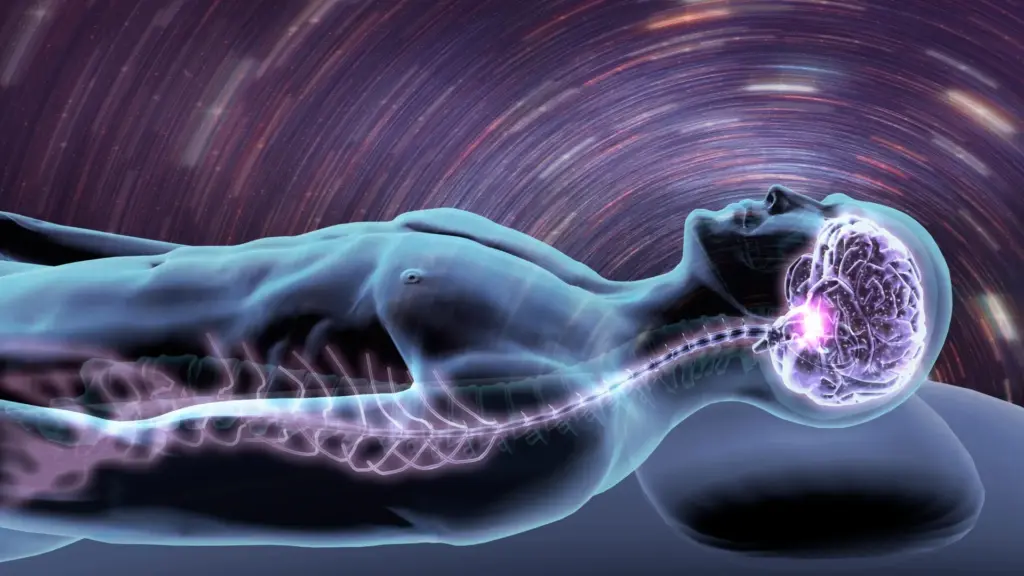
The Sleep Sweet Spot: New Research Links Sleep Duration to Accelerated Biological Aging Across Organ Systems

A groundbreaking analysis of human biological aging has revealed that the duration of our nightly rest acts as a powerful, systemic marker of health, with both insufficient and excessive sleep linked to the accelerated aging of the brain, heart, lungs, immune system, and a variety of other vital organs. The study, published in the journal…

Read more
Standard

Could Subtle Sleep Disruptions Serve as an Early Warning Sign for Alzheimer’s Disease?

Could the secret to detecting Alzheimer’s disease lie not in the complex diagnostic tests of a neurologist’s office, but in the quiet, often overlooked patterns of our nightly slumber? Researchers at the University of Liège (ULiège), with the vital support of the Stop Alzheimer’s Foundation, are currently exploring a compelling hypothesis: that subtle, seemingly innocuous…

Read more
Standard

New Study Links Deep Sleep and REM Cycles to Reduced Risk of Chronic Disease

A significant new study published on September 17th in the open-access journal PLOS Medicine offers compelling evidence that the architecture of our sleep—specifically the time spent in REM and deep sleep cycles—plays a critical role in long-term health outcomes. Conducted by Shengzhi Sun of Capital Medical University in China and a team of colleagues, the…

Read more
Standard

Finding the Sleep Sweet Spot: New Study Links Sleep Duration to Accelerated Biological Aging Across Organ Systems

A pioneering analysis of biological aging has revealed a striking connection between sleep habits and the internal clockwork of the human body. The research suggests that both insufficient and excessive sleep are associated with accelerated aging in critical organs—including the brain, heart, lungs, and the immune system—and are deeply intertwined with a broad spectrum of…

Read more
Standard

Could Sleep Patterns Hold the Key to Predicting Alzheimer’s Years Before Symptoms Appear?

Could the secret to detecting Alzheimer’s disease lie not in complex cognitive tests or invasive procedures, but in the subtle, rhythmic patterns of our nightly slumber? Researchers at the University of Liège (ULiège), with the backing of the Stop Alzheimer’s Foundation, are currently exploring this provocative question. Their latest work suggests that the sleeping brain…

Read more