





BREAKING NEWS
Applied Behavior Analysis Soy-Derived Compound Shows Promise in Mitigating Brain and Cardiovascular Damage from High-Salt Diets 7 hours ago Child Development Bridging the Divide: How Modern Neuroscience is Validating Centuries-Old Psychoanalytic Insights 7 hours ago Occupational Therapy Global Community Prepares to Observe World Occupational Therapy Day on October 27 7 hours ago Speech and Language Therapy Speech and Language Kids Announces Expansion of Structured Curriculum to Transform SLP Workflow 7 hours ago Mental Health and Psychology The Sunday Scaries: Understanding the Science Behind the Weekend’s End 7 hours ago Early Intervention ZERO TO THREE Expands Comprehensive Early Childhood Resource Center to Support Babies, Families, and Professionals 7 hours ago Assistive Technology Adidas Unveils the Supernova Rise 3 Adaptive: A Breakthrough Performance Running Shoe Designed for Athletes with Disabilities 8 hours ago Sensory Processing New Printable Summer Sensory Stations Offer Occupational Therapists and Educators a Creative Self-Regulation Tool 8 hours ago Applied Behavior Analysis Soy-Derived Compound Shows Promise in Mitigating Brain and Cardiovascular Damage from High-Salt Diets 7 hours ago Child Development Bridging the Divide: How Modern Neuroscience is Validating Centuries-Old Psychoanalytic Insights 7 hours ago Occupational Therapy Global Community Prepares to Observe World Occupational Therapy Day on October 27 7 hours ago Speech and Language Therapy Speech and Language Kids Announces Expansion of Structured Curriculum to Transform SLP Workflow 7 hours ago Mental Health and Psychology The Sunday Scaries: Understanding the Science Behind the Weekend’s End 7 hours ago Early Intervention ZERO TO THREE Expands Comprehensive Early Childhood Resource Center to Support Babies, Families, and Professionals 7 hours ago Assistive Technology Adidas Unveils the Supernova Rise 3 Adaptive: A Breakthrough Performance Running Shoe Designed for Athletes with Disabilities 8 hours ago Sensory Processing New Printable Summer Sensory Stations Offer Occupational Therapists and Educators a Creative Self-Regulation Tool 8 hours ago
Stories
Soy-Derived Compound Shows Promise in Mitigating Brain and Cardiovascular Damage from High-Salt Diets
Bridging the Divide: How Modern Neuroscience is Validating Centuries-Old Psychoanalytic Insights
Global Community Prepares to Observe World Occupational Therapy Day on October 27
Speech and Language Kids Announces Expansion of Structured Curriculum to Transform SLP Workflow
The Sunday Scaries: Understanding the Science Behind the Weekend’s End
ZERO TO THREE Expands Comprehensive Early Childhood Resource Center to Support Babies, Families, and Professionals
Adidas Unveils the Supernova Rise 3 Adaptive: A Breakthrough Performance Running Shoe Designed for Athletes with Disabilities
New Printable Summer Sensory Stations Offer Occupational Therapists and Educators a Creative Self-Regulation Tool
Beyond Homo Economicus: Reimagining Life, Relational Philosophy, and Ecologies of Care
Beyond the Headlines: Why Every Case of Psychosis Is Unique and the Danger of the Violence Myth

Tag: stanford

4 posts

Standard

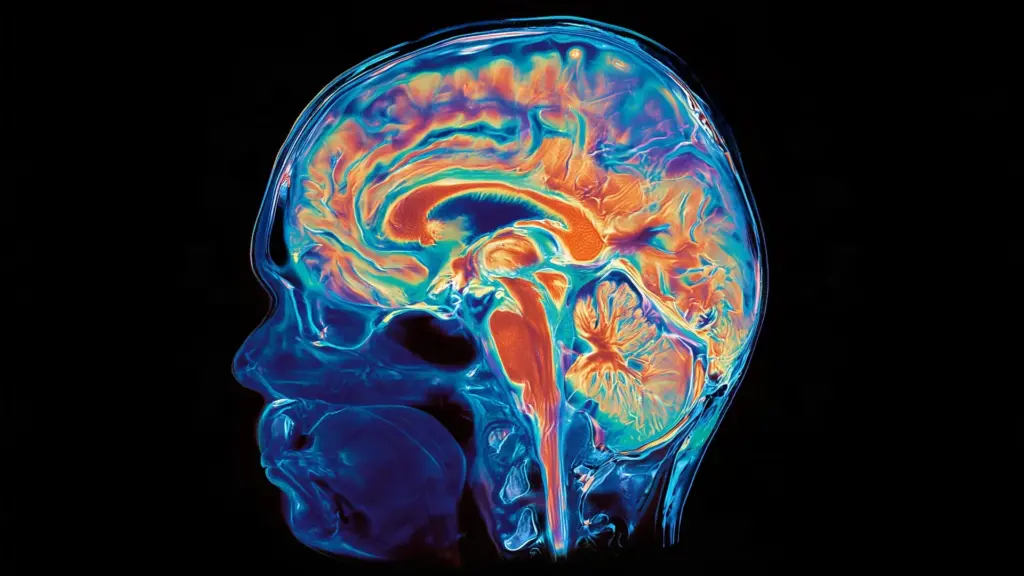
New Stanford Study Reveals Immune Cells from the Body Routinely Migrate into the Aging Human Brain

For decades, the prevailing dogma in neuroscience held that the human brain was an immunological fortress, a "closed system" largely insulated from the immune defenses operating throughout the rest of the body. Protected by the formidable blood-brain barrier—a specialized network of vessels that restricts the movement of substances and cells from the bloodstream into the…
Read more
Standard

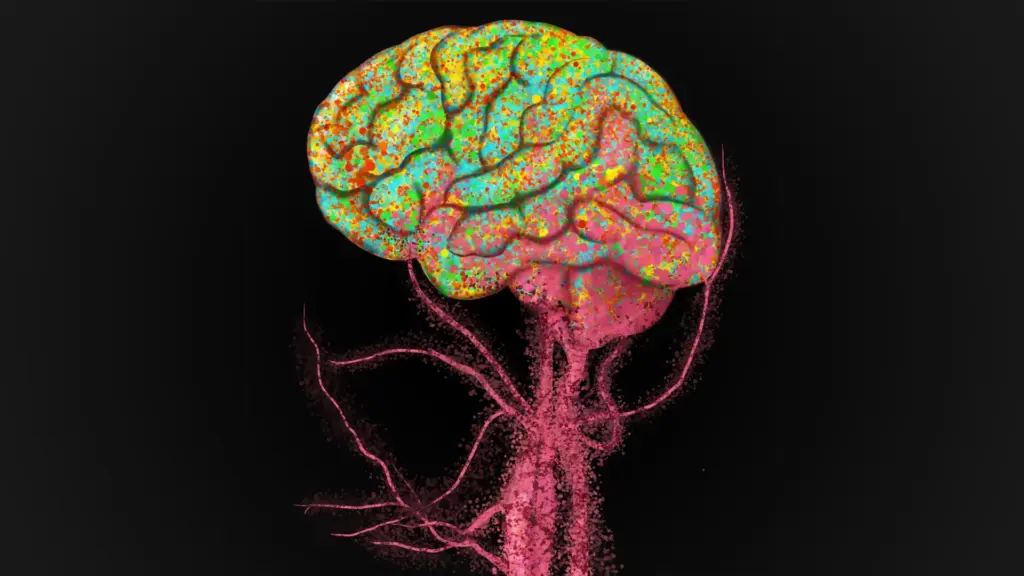
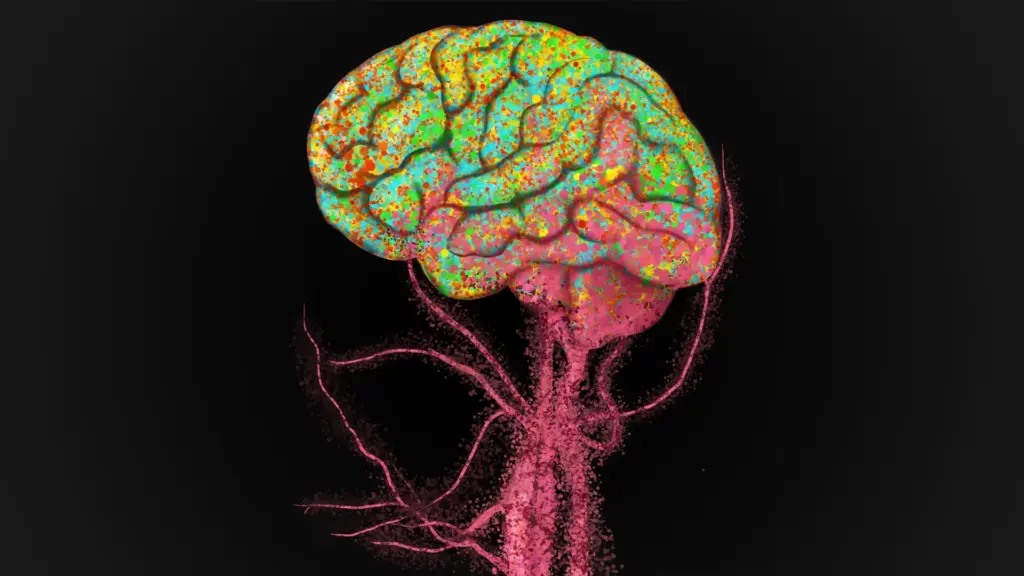
Stanford Medicine Discovery Reveals the Brain Is Built from Two Distinct Evolutionary Systems

For generations, the scientific community has operated under a foundational assumption: the brain is a single, unified organ that shares a common developmental origin. Whether considering the complex architecture of the human forebrain or the rhythmic, life-sustaining mechanisms of the hindbrain, the prevailing model suggested that all these regions traced their lineage back to a…

Read more
Standard

Immune Cells From the Body Enter the Human Brain During Aging, Stanford Study Finds

For decades, the central dogma of neurobiology has held that the brain is an immunologically privileged site—a sequestered, closed system shielded by the blood-brain barrier. Under this long-standing model, the brain’s specialized immune cells, known as microglia, were thought to be established during embryonic development and to remain a self-sustaining, isolated population throughout an individual’s…

Read more
Standard

Dual Origins: Stanford Researchers Discover the Brain Is Built from Two Distinct Evolutionary Systems

For decades, the central dogma of developmental neurobiology has held that the human brain is a monolithic entity—a single, unified organ arising from a common pool of progenitor cells. Under this established model, the forebrain, midbrain, and hindbrain were thought to trace their lineage back to the same developmental starting point, evolving in tandem as…

Read more