By Michelle Diament | October 16, 2026
Riding horses or simply spending structured time around them can make a profound difference for children with autism, helping to significantly reduce hyperactivity and boost crucial social skills, according to compelling new research published this month in the journal Pediatrics.
The study, which examined 236 children diagnosed with autism and co-occurring psychiatric conditions, adds substantial weight to the growing body of literature supporting animal-assisted interventions. Researchers discovered that participating in either a dedicated therapeutic riding program or structured barn activities brought about meaningful, measurable benefits for the young participants, aged 6 to 16.

The comprehensive research project was designed to evaluate the physical, emotional, and social impacts of equine environments on youth facing complex developmental and behavioral challenges. To do this, investigators assigned the children to different groups to compare the direct impact of riding against the influence of merely being in a barn environment with horses.
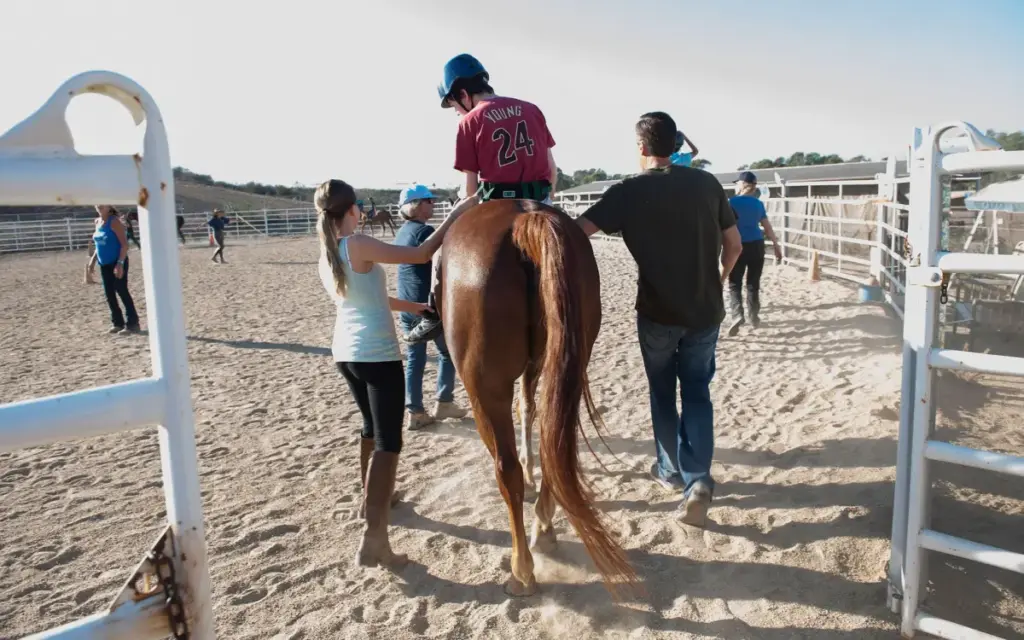
Some of the children participating in the study were assigned to receive therapeutic horseback riding once a week for a period of 10 weeks. Others took part in a barn activity group where they were exposed to horses, observed them, and engaged in facility-based tasks, but did not directly interact with or ride the animals. A third group was placed on a waiting period before participating in the barn activity for five weeks, followed by subsequent weeks of active riding lessons.
When analyzing the results across all groups, the researchers made notable discoveries regarding behavioral changes. Both the active riding program and the barn activity led to significant drops in irritability and hyperactivity among the children, according to the findings published in Pediatrics. Furthermore, the children demonstrated noticeable improvements in emotional regulation and social behaviors, suggesting that the broader environment of an equestrian center holds therapeutic value.
However, the study also highlighted a distinct advantage to being on the horse rather than just on the ground. The greatest impact on hyperactivity was observed among the children who were placed in the active riding group. While visiting the barn and observing horses provided baseline improvements, physical interaction and movement atop the animal offered a unique catalyst for behavioral change.
“There is something about riding a horse that is particularly helpful for kids with hyperactivity,” said Robin Gabriels, a professor of psychiatry at the University of Colorado who led the research team behind the study.
The researchers were careful to note that while horseback riding offers considerable promise, it is not necessarily a universal solution or the right fit for every child with autism. Individual preferences, sensory sensitivities, and physical considerations must always be evaluated by families and clinical professionals. Nonetheless, the findings strongly suggest that equine-assisted therapies can serve as a highly effective way to supplement existing treatments and developmental interventions.
The unique multi-sensory experience of horseback riding combines physical coordination, balance, core strength, and social engagement with an animal. This combination creates an environment where children must remain focused and responsive to both the horse and the instructors, which can help redirect restless energy into productive concentration.
“Working with horses gives these kids a chance to do something active, social, and engaging,” Gabriels said. “For some children, that may be a particularly effective way to help them develop skills that can be difficult to teach in a traditional clinical environment.”
Traditional clinical environments, such as office-based therapy rooms, often rely heavily on verbal communication, structured sit-down tasks, and artificial social scenarios. In contrast, equestrian centers offer dynamic, open-air settings filled with sensory inputs, tactile experiences, and natural feedback loops. When a child is mounted on a horse, the animal’s rhythmic gait provides constant vestibular and proprioceptive input, which can have a calming and organizing effect on the central nervous system. This neurological response is frequently cited by occupational therapists and psychiatrists as a key mechanism behind reductions in hyperactivity and anxiety.
The publication of these findings in Pediatrics provides pediatricians, mental health professionals, and families with rigorous, peer-reviewed data to support the integration of equine programs into comprehensive care plans. As awareness of co-occurring psychiatric conditions in autism continues to grow, healthcare providers are increasingly seeking out adjunctive therapies that can address multiple symptoms simultaneously—such as irritability, attention deficits, and social withdrawal—without relying solely on pharmacological interventions.
While the study focused on a 10-week intervention period, researchers hope future studies will explore the long-term sustainability of these behavioral gains and determine how frequently booster sessions or ongoing participation might be required to maintain the positive outcomes. For now, the research offers a scientifically backed validation of what many therapeutic riding instructors and parents have observed firsthand for decades: the powerful, transformative connection between children with autism and horses.