






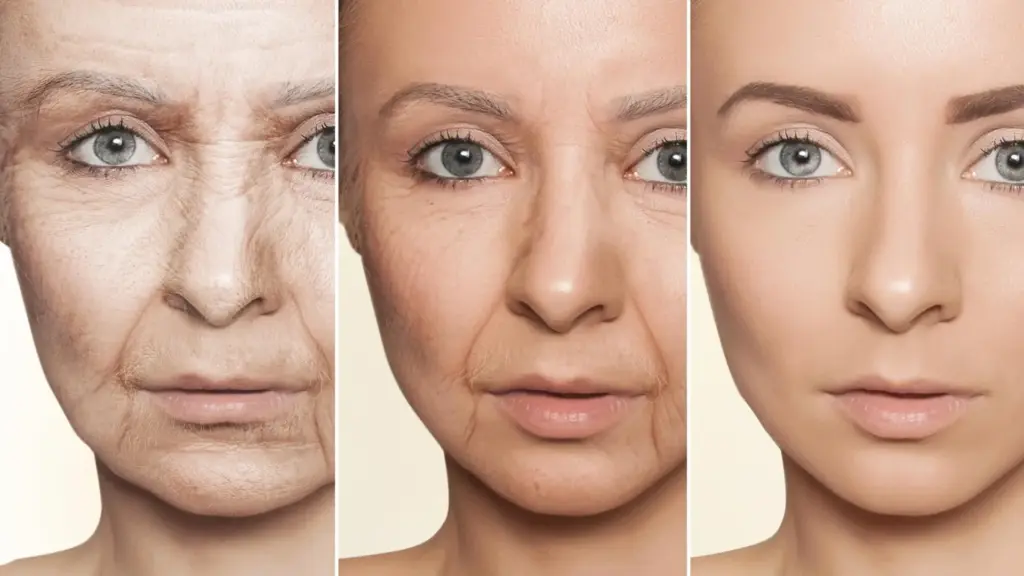
Aging is an inevitable biological process, one that manifests in ways both subtle and profound. From the gradual graying of hair and the deepening of facial lines to the more concerning, quiet lapses in memory, these physical and cognitive shifts have long been viewed as the unchangeable tax of time. For decades, the scientific community has been locked in a quest to determine whether these manifestations of senescence are truly permanent, or if they might be slowed, prevented, or even potentially reversed through targeted intervention.
Now, a collaborative study involving researchers from Xi’an Jiaotong-Liverpool University, Stanford University, Shanghai Jiao Tong University, and the University of Chinese Academy of Sciences has unveiled an intriguing, if unexpected, possibility. By experimenting with aged mice, the team discovered that dietary supplements containing specific compounds found in Ascidiacea—commonly known as sea squirts—successfully reversed several markers of biological aging.
An Unusual Source of Anti-Aging Compounds
Sea squirts are fascinating marine invertebrates that have long been a part of culinary traditions in parts of East Asia. In Korea, they are known as meongge, while in Japan, they are referred to as hoya. Often consumed raw, these creatures possess a unique biological profile, most notably a high concentration of molecules known as plasmalogens.
Plasmalogens represent a specialized class of lipids, or fat molecules, that are integral to the structural integrity of cell membranes. These compounds are ubiquitous throughout the human body, but they are found in particularly high densities within the brain, the heart, and the immune system. Crucially, research has consistently shown that natural levels of plasmalogens tend to decline as a living organism grows older.
This decline is not merely a biological curiosity; it has been identified as a recurring feature in the pathology of several devastating neurodegenerative conditions, including Alzheimer’s disease and Parkinson’s disease. This clinical correlation prompted the research team to formulate a compelling hypothesis: if the depletion of these lipids is linked to cognitive decay, could the deliberate restoration of plasmalogen levels serve to fortify the brain against the ravages of time? To put this to the test, the researchers integrated plasmalogen supplements into the diets of aged mice, meticulously tracking both physiological changes and behavioral performance.
The results were, by any measure, striking. The treated mice not only demonstrated marked improvements in learning capabilities but also exhibited visible physical transformations that defied the typical expectations of aging. Professor Lei Fu, the corresponding author of the study, highlighted the dual nature of these findings. "Our research suggests that plasmalogens may not just stop cognitive decline, but may reverse cognitive impairments in the aging brain," Fu noted. Beyond the neurological findings, the team observed that the aged mice fed with the plasmalogen supplement grew new, dark fur that was thicker and glossier than the thin, sparse coats seen in their untreated counterparts. According to the research team, this study provides the first comprehensive look at how these specific lipids influence the aging brain.
Aging Mice Show Improved Memory
To quantify the effects of the treatment on cognitive function, the researchers utilized the Morris water maze, a standard laboratory benchmark for assessing spatial learning and memory. In this experiment, mice are placed into a circular pool of water containing a hidden platform just beneath the surface. Because mice have a natural survival instinct to find solid ground and escape the water, they are motivated to learn the platform’s location.
In a typical scenario, younger mice will rapidly learn the spatial orientation required to locate the platform, remembering its position over several days of training. In contrast, older mice generally struggle with the task, reflecting the diminished cognitive plasticity and memory retention that often accompanies the aging process.
Following five days of intensive training, the results were definitive: the aged mice that had received the plasmalogen supplements performed with a level of efficiency comparable to their younger counterparts. They navigated the pool and located the hidden platform significantly faster than the control group of aged mice that had not received the supplement. This disparity prompted the researchers to delve into the microscopic architecture of the brain to identify the underlying physiological causes for the improvement.
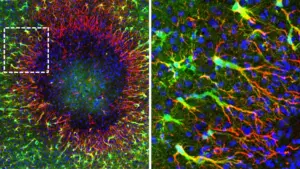
Upon examination, the researchers found that the treated mice possessed a higher density of synapses, and these synapses were in demonstrably better condition than those found in the untreated group. Synapses are the critical junctions where neurons exchange signals, acting as the fundamental infrastructure of neural networks. They are the essential pathways for every memory formed and every skill learned.
Restoring Connections in the Aging Brain
In early life, the brain exhibits high levels of neural plasticity—the ability of synapses to adapt, rewire, and form new connections. This fluidity is what allows for the rapid acquisition of information. However, as an organism ages, this capacity for renewal often degrades. Synapses become fewer in number and less efficient, a process that mirrors the cognitive deterioration seen in neurodegenerative disorders.
The study revealed that the mice receiving the plasmalogen supplements were significantly more adept at forming these new neural connections. The data suggests that dietary plasmalogens may serve as a protective barrier, shielding synapses from age-related decay. Furthermore, the researchers identified a significant reduction in brain inflammation among the treated mice. While inflammation is a necessary component of the body’s immune defense, chronic, low-level inflammation in the brain is often a silent driver of cognitive decline. As the brain ages, immune activity can become dysregulated, leading to the destruction of healthy nerve cells and the disruption of synaptic signaling. The reduction of this inflammatory burden in the treated mice provided a clear, physiological explanation for their improved performance in the water maze.
How Plasmalogens Might Work
While the results are compelling, the exact mechanism through which dietary plasmalogens exert these effects remains a subject of ongoing study. Professor Fu proposed several potential pathways. "We found that plasmalogens significantly increase the number of molecules that aid the growth and development of neurons and synapses in the brain," he explained. "This suggests that plasmalogens can promote neuroregeneration."
Neuroregeneration—the process of repairing or regrowing nerve cells—has long been the "holy grail" of neuroscience. If plasmalogens can effectively support this process, they could provide a vital tool in helping the aging brain maintain or rebuild the neural circuitry essential for cognitive function.
Professor Fu also pointed to the structural impact on synaptic membranes. "There is an increasing body of evidence that plasmalogens directly affect the structural properties of synapses. They may increase the fluidity and flexibility of synaptic membranes, affecting the transmission of impulses between neurons."
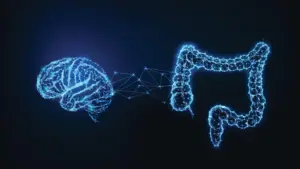
Beyond the brain itself, the researchers are looking toward the "gut-brain axis"—the complex, bidirectional communication network between the digestive system and the brain. "Some studies have shown that dietary plasmalogens affect the microorganisms in the gut," Fu noted. "It has been widely reported that the connection between the organisms in our gut and our brain influences neurodegeneration. It may be the plasmalogen’s effect on this connection that causes the improvements in learning and memory seen in this study." The gut microbiome is increasingly viewed as a command center for systemic health, capable of influencing the brain through metabolic signals and immune system regulation.
Could Plasmalogens Eventually Help People?
The implications of this research are significant enough that Professor Fu has incorporated plasmalogen supplementation into his own daily health regimen. "For the first time, we show that plasmalogen supplements might be a potential intervention strategy for halting neurodegeneration and promoting neuroregeneration," he stated. "The oral intake of plasmalogens could be a feasible therapeutic strategy to improve cognitive function in older people."
Despite the enthusiasm surrounding these findings, the scientific community remains cautious. The study was conducted on an animal model, and while the results in mice are encouraging, they do not guarantee that the same effects will be replicated in humans. Human biology is significantly more complex, and further rigorous clinical research is required to determine the safety, effective dosage, and long-term consequences of such supplementation.
Nevertheless, the study opens a new chapter in the study of aging. By identifying a naturally occurring compound in an edible marine animal, researchers have gained a new perspective on the potential to influence the trajectory of cognitive decline. Whether this discovery will eventually lead to a breakthrough in human longevity and neurological health remains to be seen, but it provides a promising foundation for the next generation of anti-aging research.